

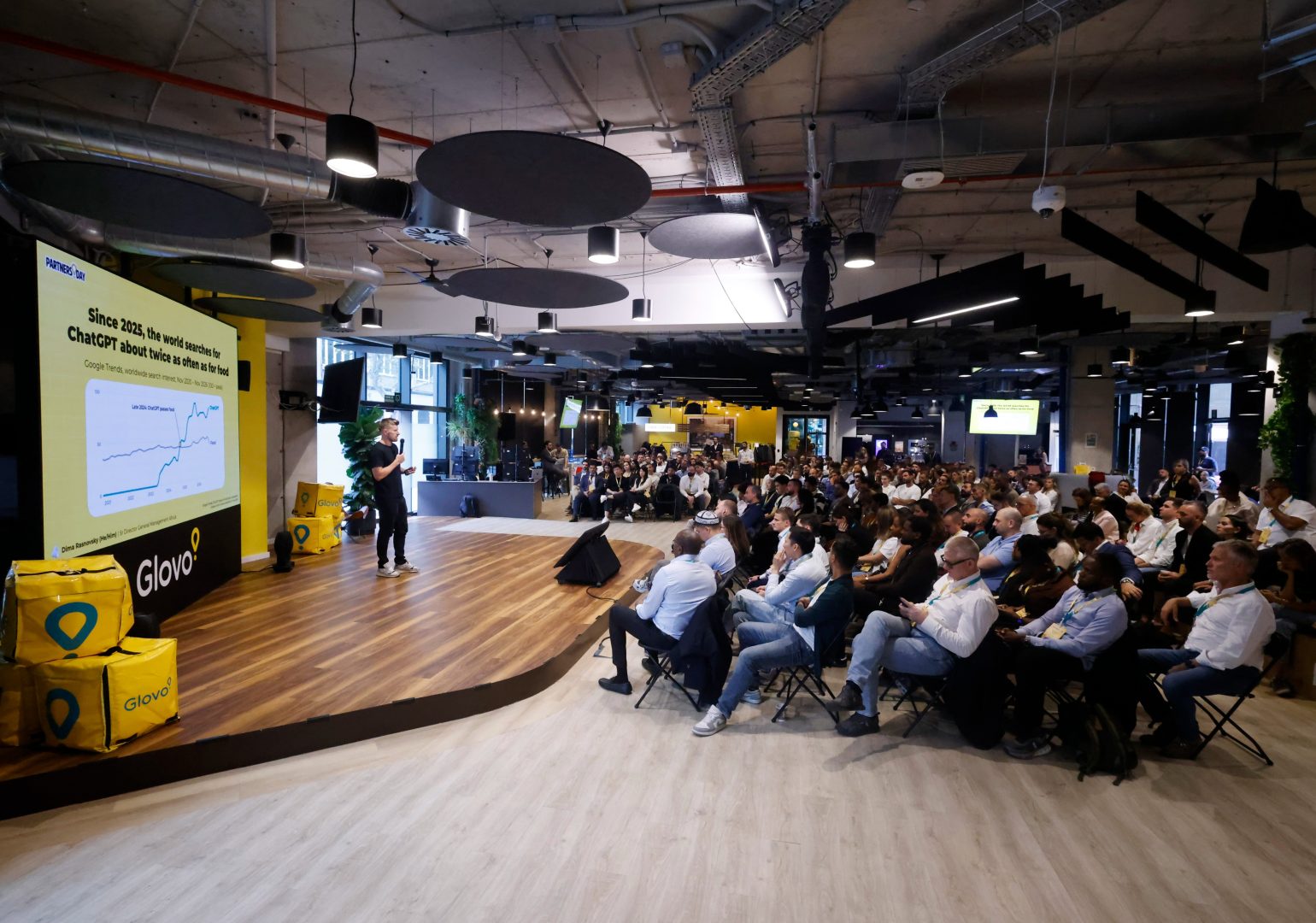
Glovo welcomed 117 partners from 21 countries, including representatives of Georgian businesses, to its Barcelona headquarters.
Forty-five percent of orders on Glovo begin without a particular brand in mind. A customer opens the app but has yet to decide where to order from. For a restaurant, that moment is an opportunity to win a new customer. A menu photo, a special offer or other customers’ reviews can influence the decision.
That choice was central to much of the discussion on November 11 at Yellow Park, Glovo’s headquarters in Barcelona. The company held its fourth Partners Day, welcoming more than 270 attendees. Several of its Georgian partner businesses were represented.
Glovo’s cofounder and CEO, Oscar Pierre, outlined the company’s vision and assessed the state of the industry. He said a record number of customers had placed orders on the platform this year. The company plans to continue growing alongside its partners, with a focus on affordability, customer retention and advertising.

Georgia leads Glovo’s markets in per-capita adoption. It was also one of the first markets to launch Glovo Prime.
Global figures presented at this year’s Partners Day show that Prime subscribers place three times as many orders as non-subscribers. For restaurants, that is a significant finding: strengthening relationships with existing customers offers another avenue for growth.
Speaking to Forbes Georgia in Barcelona, Artem Kolosiuk, Glovo’s general manager for the Caucasus, explained that acquiring new customers has natural limits in a market where the service is already widely used. The Georgian team therefore places particular emphasis on order frequency and loyalty.
“We shouldn’t take a one-size-fits-all approach to our markets. Georgia is a great example: it’s where we began to change our approach and put more emphasis on subscriptions. We need to make our service part of everyday life,” Kolosiuk said.
Subscriptions also make the service more affordable for customers, he added.
The discussions on digital sales explored specific advertising tools, from giving products greater visibility in the app to attracting customers through keyword advertising. These tools allow restaurants to put an offer in front of a customer at the very moment they are deciding what to order.
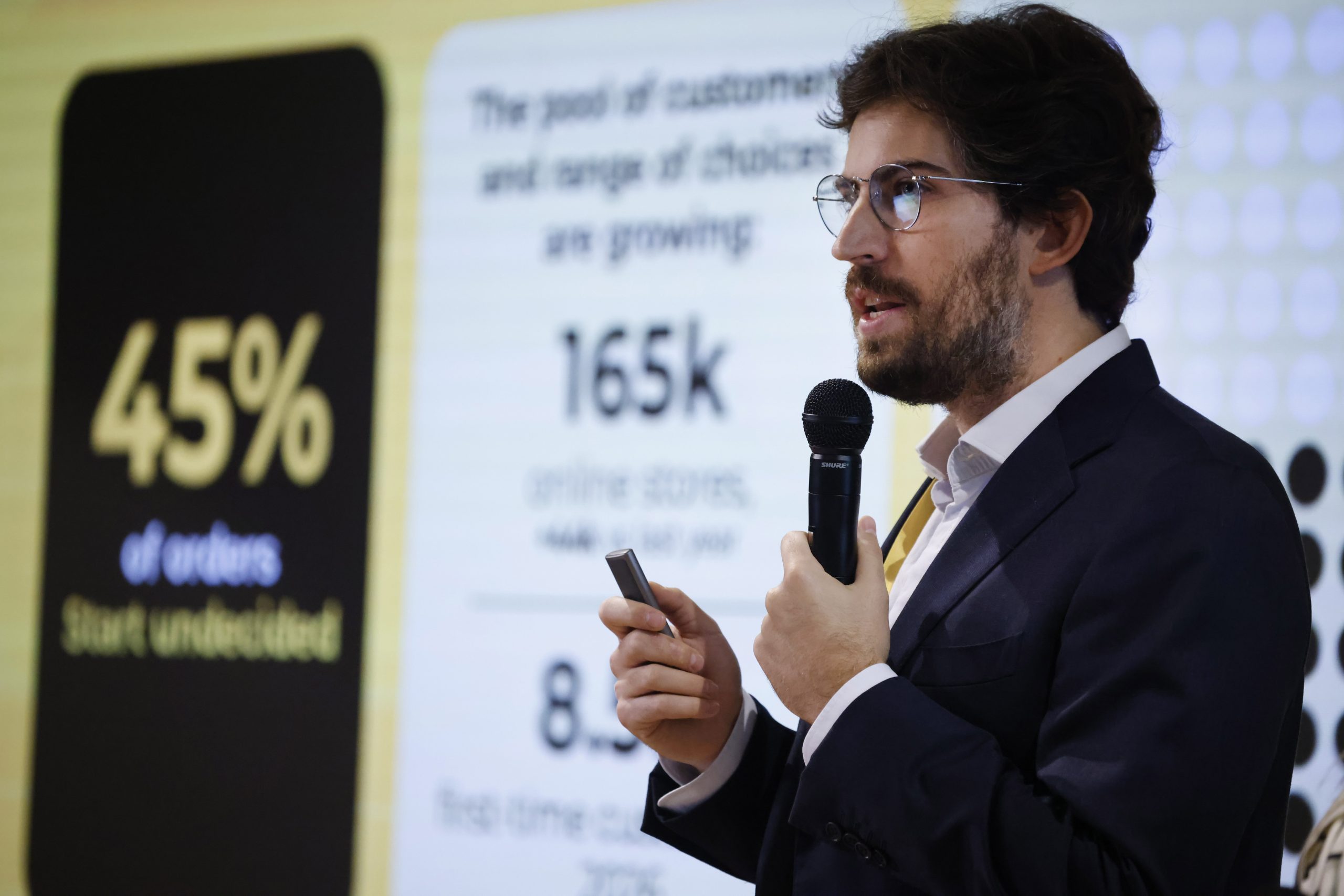
Sandro Darsavelidze, e-commerce manager at KFC Georgia, was attending Partners Day for the third time. He said the platform’s widespread use in Georgia helps build brand awareness while also creating opportunities to test new features.
“That high level of adoption also allows Glovo to test new features and approaches with us regularly,” Darsavelidze said.
For KFC, the purpose of these developments is to improve customer service: “Every year, the app is updated and new features are added, and we actively use all these new capabilities.”
For McDonald’s Georgia, the partnership dates back to the launch of its delivery service.
“When Glovo entered the Georgian market, McDonald’s launched its delivery service at the same time, in partnership with Glovo. Initially, Glovo was our only delivery partner,” recalled Salome Kvrivishvili, the company’s digital marketing manager.
McDonald’s Georgia has taken part in all four editions of Partners Day. For Kvrivishvili, the visit offers a chance to return to the country where Glovo was founded and hear firsthand about its plans.
“Here, we learn about the new developments Glovo has planned and what they will mean for us,” she said.
Partners also shared their growth stories in Barcelona. Lucian Florea, founder and CEO of Romanian quick-service restaurant chain FRYDAY, traced the company’s journey from its first pilot restaurant in Suceava in 2019 to 33 restaurants across two countries. Revenue reached €30 million in 2025, with approximately €40 million expected in 2026. Florea discussed the lessons he had learned from larger operators and the work of building his own brand, with Glovo serving as the chain’s delivery partner.
Serbia’s Thyme turned the focus to restaurant operations. Its cofounders discussed how to balance creativity in the kitchen with cost control. In their experience, improving profitability requires constant communication between the kitchen, finance and marketing teams. The business needs to assess the performance of each new dish or campaign collectively and apply those lessons to its next decision.
Darsavelidze sees learning from businesses in other countries as one of the event’s main benefits.
“It’s a great opportunity to meet colleagues from different countries and our other partners, exchange information, get to know one another and share our experiences,” the KFC representative said.
The discussion of artificial intelligence was equally practical. Dima Rasnovsky, who leads Glovo’s business in Africa, showed partners how the technology can help them forecast inventory needs, analyze sales, translate menus and write marketing copy. For restaurant managers, these applications are particularly useful when repetitive tasks take up a substantial part of the working day.
The way customers discover food is changing, too. According to figures presented by Glovo, orders originating from AI assistants have increased 3.4-fold since May 2026. That points to another sales channel for restaurants and gives accurate menu descriptions and reliable digital information greater importance.
Glovo also incorporates its work with partners into long-term business plans.
“For our strategic partners, the priority is to grow together. That’s why we agree on joint business plans with many of them, committing to specific growth targets,” explained Ferran Casulleras, Glovo’s commercial director.
The composition of Glovo’s partner network helps explain that approach: according to the company, small and medium-sized businesses account for 85% of its partners. Glovo Academy, launched in late 2023, offers local workshops and training for these businesses. Sessions have been held across 21 markets, helping partners deepen their knowledge of business planning, brand development and the use of technology.

The scope of these partnerships is expanding into retail. According to Glovo, quick commerce—the rapid delivery of groceries and other retail goods—accounts for 25% of its global revenue. The platform offers 23 retail categories beyond groceries.
In Georgia, Kolosiuk said, customers already use Glovo to buy phones, clothing and items for the home. He singled out pet food, a category whose growth he attributes to partnerships with leading businesses in that market.
“Pet food is a smaller category than groceries and pharmacy products, but it is growing rapidly year over year because we’ve been able to partner with the market’s key players,” Kolosiuk said.
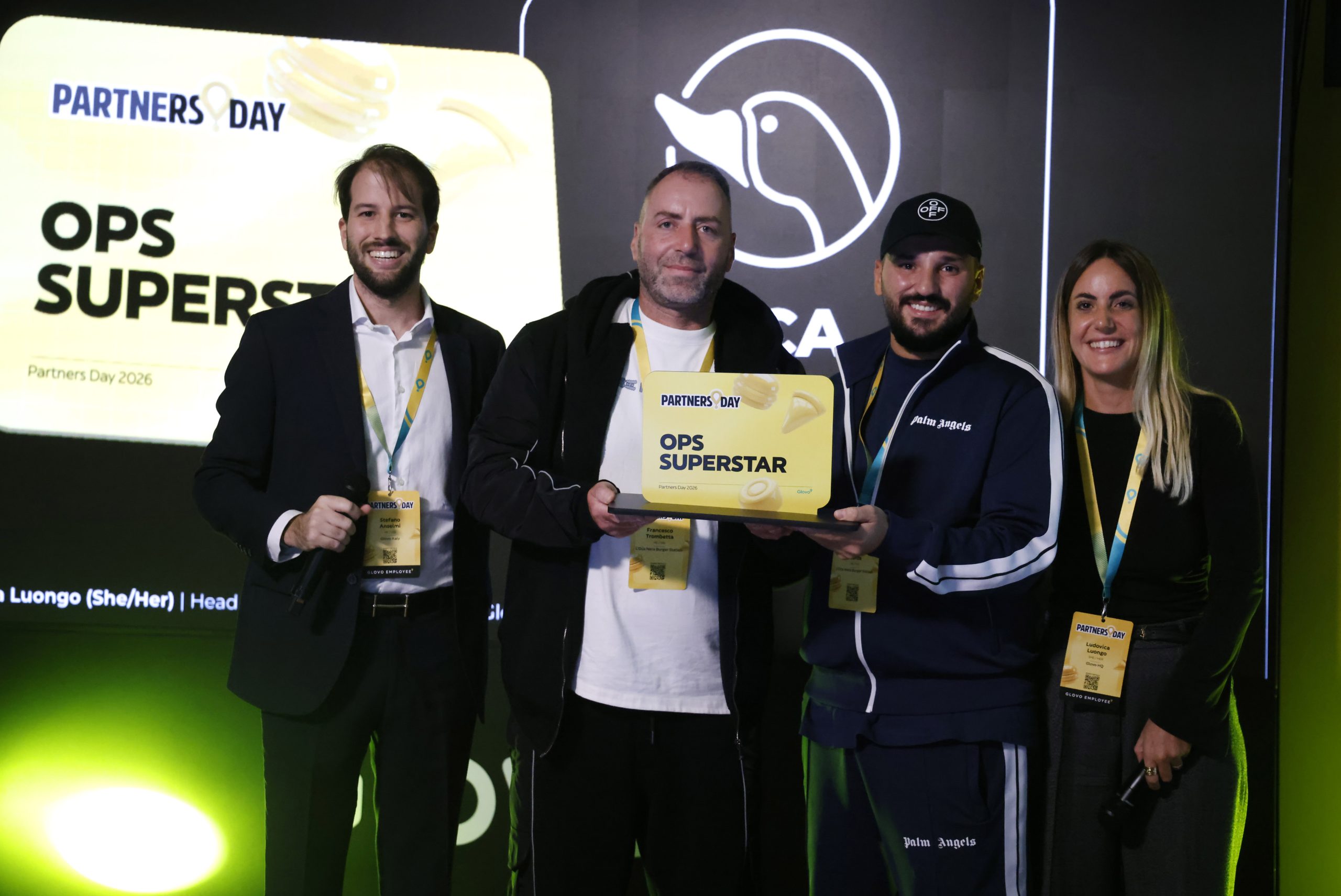
At the end of the day, Glovo recognized partners for three distinct achievements: Romania’s Dodo Pizza for growth on the app, Ukraine’s Puzata Hata for the highest average customer rating, and Italy’s Oca Nera for the shortest courier waiting time. Together, the awards captured the day’s business logic: sales growth should be matched by customer satisfaction and reliable operations.
For the Georgian partners, the ideas discussed in Barcelona will be put to the test in their home market. The results will show in how they adapt their offers, where they save time and what gives customers a reason to return. Those everyday decisions will determine how much value they get from their partnership with Glovo.
S