Author: Mae Cornes
There is a civic ideal at the center of American life that says neighbors should not be one illness away from financial ruin. Yet tens of millions live as if a minor infection could topple a household budget. The central thesis here is simple: Extra Health’s insurance-free, household subscription model offers a pragmatic route to basic medical access for people the system routinely overlooks, and it hints at a healthier social contract built on predictability, dignity, and proximity.
A Moral Problem With Practical Consequences
Roughly 30 million Americans have no health insurance. Millions more carry policies with deductibles so high that care gets delayed until symptoms can no longer be ignored. The result is a churn of preventable emergencies that spill into schools, workplaces, and community budgets. When a parent skips a doctor visit, a child misses class, a shift goes uncovered, and the costs are spread quietly across the neighborhood.
Extra Health steps into this space with a straightforward proposition. A flat monthly fee covers an entire household and provides around-the-clock access to board-certified physicians by video, phone, or chat. Prescriptions can be routed to a local pharmacy, with meaningful discounts. Members also receive help negotiating hospital bills, a recognition that financial harm is not a side story of illness but one of its main characters. As one spokesperson put it, “People should not have to choose between medical care and the risk of debt.”
From Abstraction To The Kitchen Table
Policy arguments often float above daily life like weather reports. Families, however, live in the forecast. Consider the single caregiver in a rural county who works two jobs and shares one car with grandparents and teenagers. The nearest clinic requires an hour of driving and an afternoon off. Telemedicine that does not require insurance, identification, or immigration paperwork turns a bureaucratic maze into a five-minute call from the kitchen table.
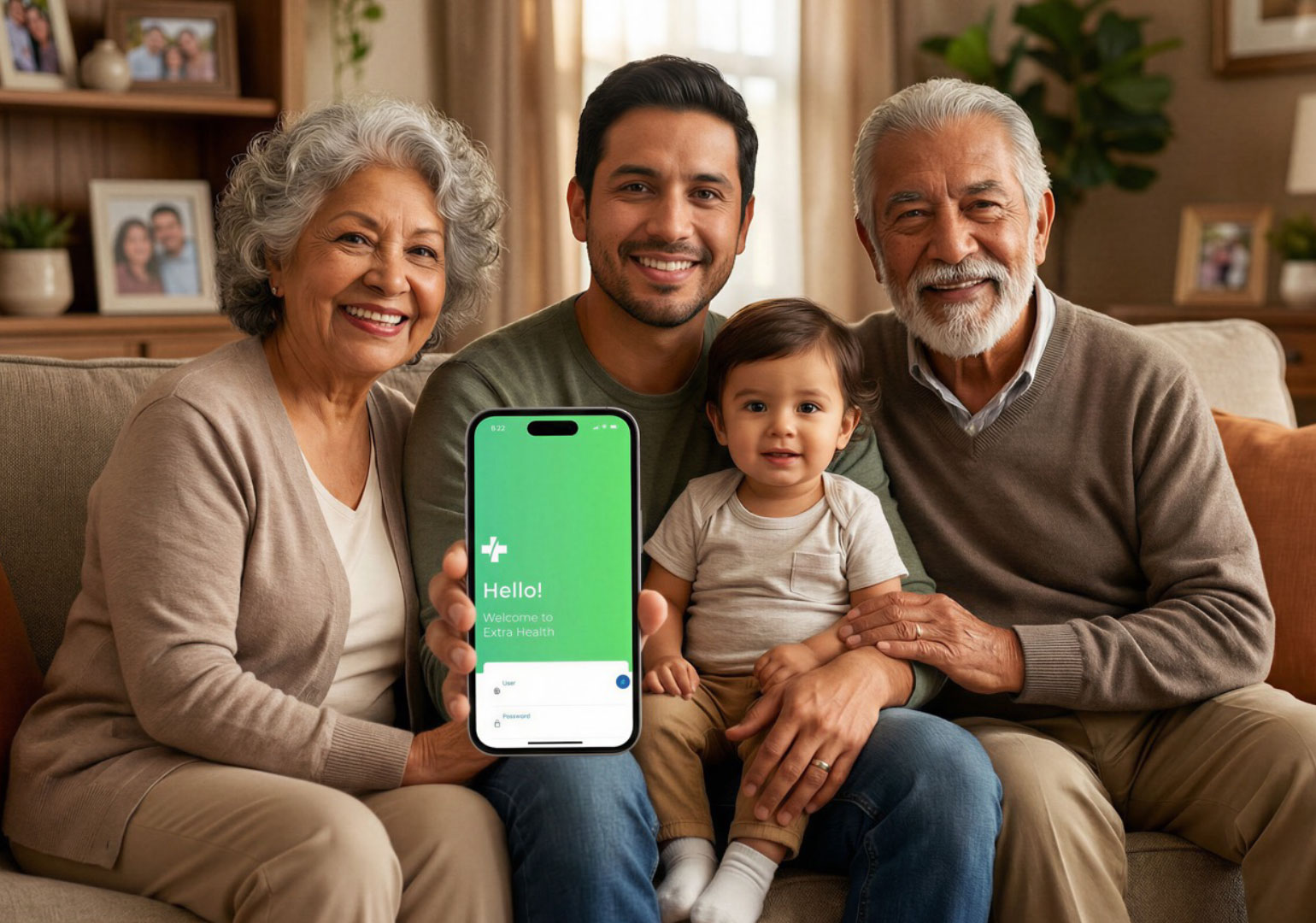
This model aligns with demographic realities. Multigenerational households can be covered on a single plan, which mirrors how care decisions are actually made. The Health Resources and Services Administration counts tens of millions living in areas with too few providers. For them, a phone becomes the first line of care, not a last resort.
Predictability Beats Paralysis
The genius here is not technological. It is psychological and financial. People make better choices when costs are known in advance. A predictable monthly subscription replaces the roulette of clinic fees, urgent care invoices, and opaque hospital charges. Pharmacy discounts and lab savings address the slow drip of chronic conditions that erode savings month by month. Bill negotiation acknowledges that a single ER visit can drain a year of careful budgeting.
If this model scales, two outcomes are plausible. Non-emergency visits could migrate from hospital waiting rooms to living rooms, reducing crowding and municipal costs. And households might reframe health decisions from crisis management to routine maintenance, which is how thriving communities function.
Standards, Safeguards, And The Public Interest
A reflective view must also ask for accountability. Continuity of care requires reliable handoffs to specialists and local services. Privacy protections matter, especially for undocumented users and mixed-status families. Clinical quality should be measured by time to clinician, referral completion, prescription adherence, and dispute resolution. Independent audits can keep the public conversation tethered to outcomes rather than slogans.
If those safeguards hold, direct-access telemedicine can complement, not replace, brick-and-mortar medicine. It can triage common conditions, steady chronic care, and keep emergencies in the domain of emergency rooms. The better analogy is not a new hospital, but a front porch light that helps people find the door.
Reweaving The Social Fabric
David Brooks has often argued that institutions flourish when they cultivate trust and shared purpose. Extra Health functions less like a disruptor and more like a neighborhood tool that lowers the emotional temperature of illness. When people can call a clinician at midnight without reaching for a credit card or a file of documents, they behave more like citizens and less like contestants in a costly game.
There is an optimistic path forward. Cities and employers could subsidize subscriptions for high-risk households the way they already support transit or school meals. Public health agencies could integrate referral pathways to local clinics, dentists, and mental health providers. Researchers could publish transparent results so voters and policymakers see what works.
The task is not to romanticize an app. It is to recognize a workable bridge between need and care. If a household can move from fear to foresight, then Extra Health’s mission becomes more than a service. It becomes a small but credible act of democratic renewal, one kitchen table at a time.
S
This is sponsored content. The views expressed are those of the author and sponsor and do not constitute medical or insurance advice.