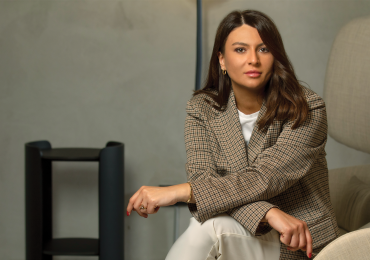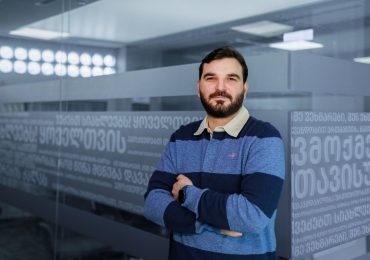

In a market saturated with agencies, trust has become the most difficult advantage to build and the easiest to lose. As marketing moves closer to operations and accountability, companies are rethinking how they choose their partners and what they expect in return. In this conversation, Nanka Kikalia and Mako Zakareishvili, co-founders of MarketingHub, discuss why structural thinking now outweighs industry specialization, how boutique agencies compete with global networks, and why disciplined execution and long-term trust matter more than visibility in today’s demanding environment.
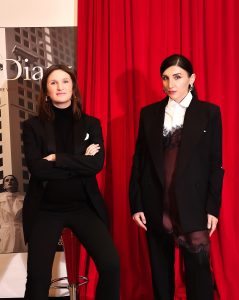
Marketing agencies are everywhere, yet trust remains one of the hardest currencies to earn. From your perspective, what is fundamentally changing in how companies choose their marketing partners today
Nanka Kikalia: The biggest shift is that marketing has moved closer to operations. For many years, agencies were chosen for awards, or reputation. Today, companies are far more pragmatic. They look for partners who understand their business model, timelines, and internal constraints. Trust is built through execution, consistency, and accountability. That is why we increasingly work with international brands across very different sectors, from fashion and construction to sports federations. The common denominator is not industry, but decision-making discipline.
You work across industries that traditionally approach marketing very differently. What allows the same agency to be relevant to such a broad range of clients.
Mako Zakareishvili: Sector knowledge matters, but structural thinking matters more. Whether it is a beauty brand or a tabaco company, the core questions are similar. What is the objective, what is the constraint, and what is the most efficient path to outcome. We do not sell a single formula. We build frameworks that adapt.
You position MarketingHub as a boutique agency at a time when scale is often seen as an advantage. Why does that model work
Mako Zakareishvili: Boutique does not mean small in capability. It means precise in structure. We operate with a core strategic team and assemble talent per project through a trusted network of freelancers based in Georgia and internationally. This gives clients access to senior expertise. What is important, every collaborator is selected through prior experience, shared standards, and long-term relationships.
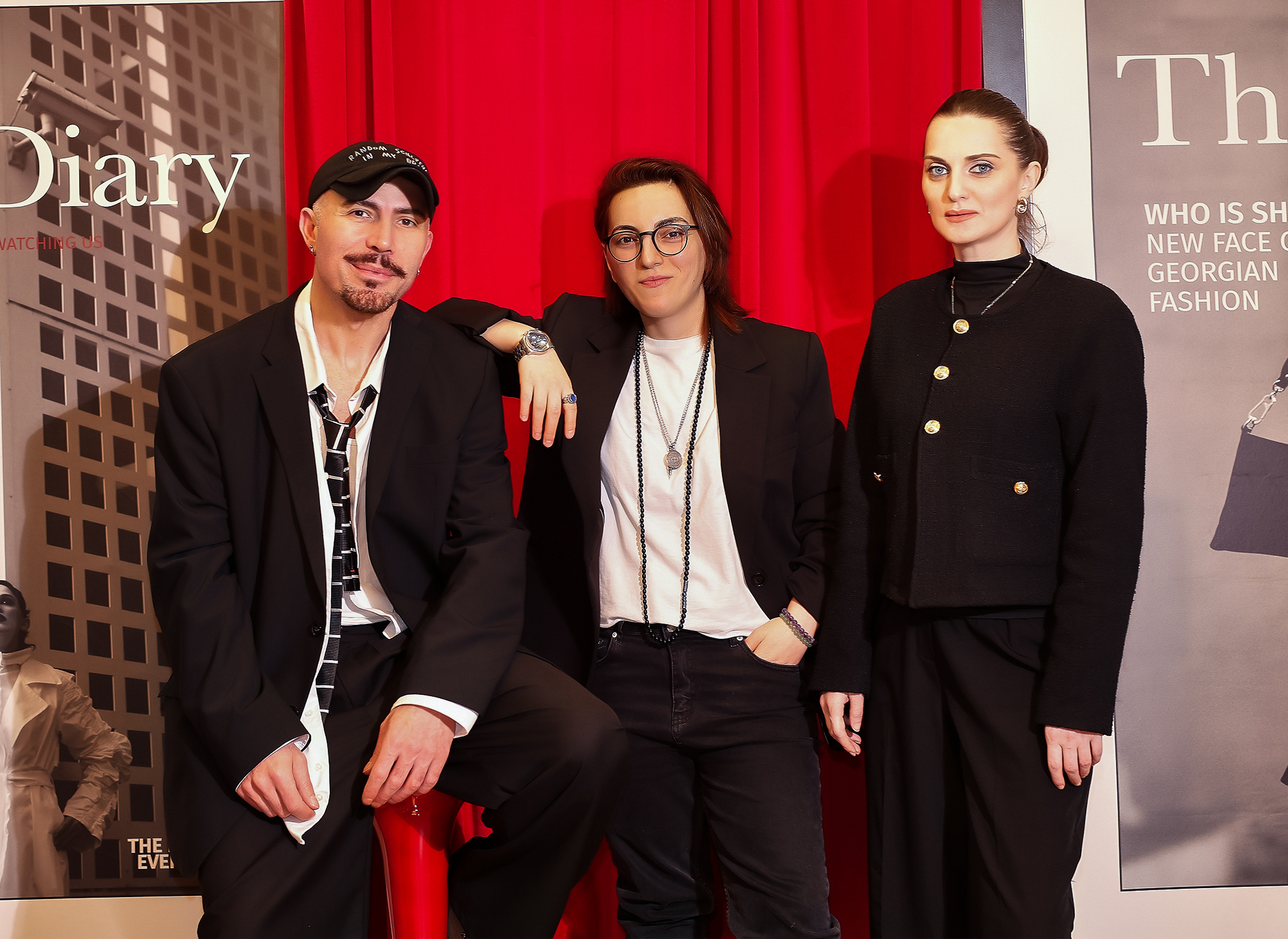
MarketingHub is led by two female founders. Do you see leadership gender as relevant in today’s agency landscape
Nanka Kikalia: What matters is management, not gender. Today, companies value creativity alongside analytical thinking, digital fluency, and the ability to make sound decisions under pressure. Adaptability, learning agility, and collaborative leadership have become essential, particularly in uncertain economic environments. We do not position ourselves through gender, but we do not hide it either. The results speak for themselves.
You are also the parent company of TheDiary. How does this relationship create value for your clients
Mako Zakareishvili: TheDiary functions as a strategic asset that can be activated for our partners when it adds value. Operating a media platform has also given us direct access to talent and long-term relationships with influencers. As a result, influencer marketing has become one of our strongest capabilities, grounded in credibility, careful curation, and measurable outcomes.
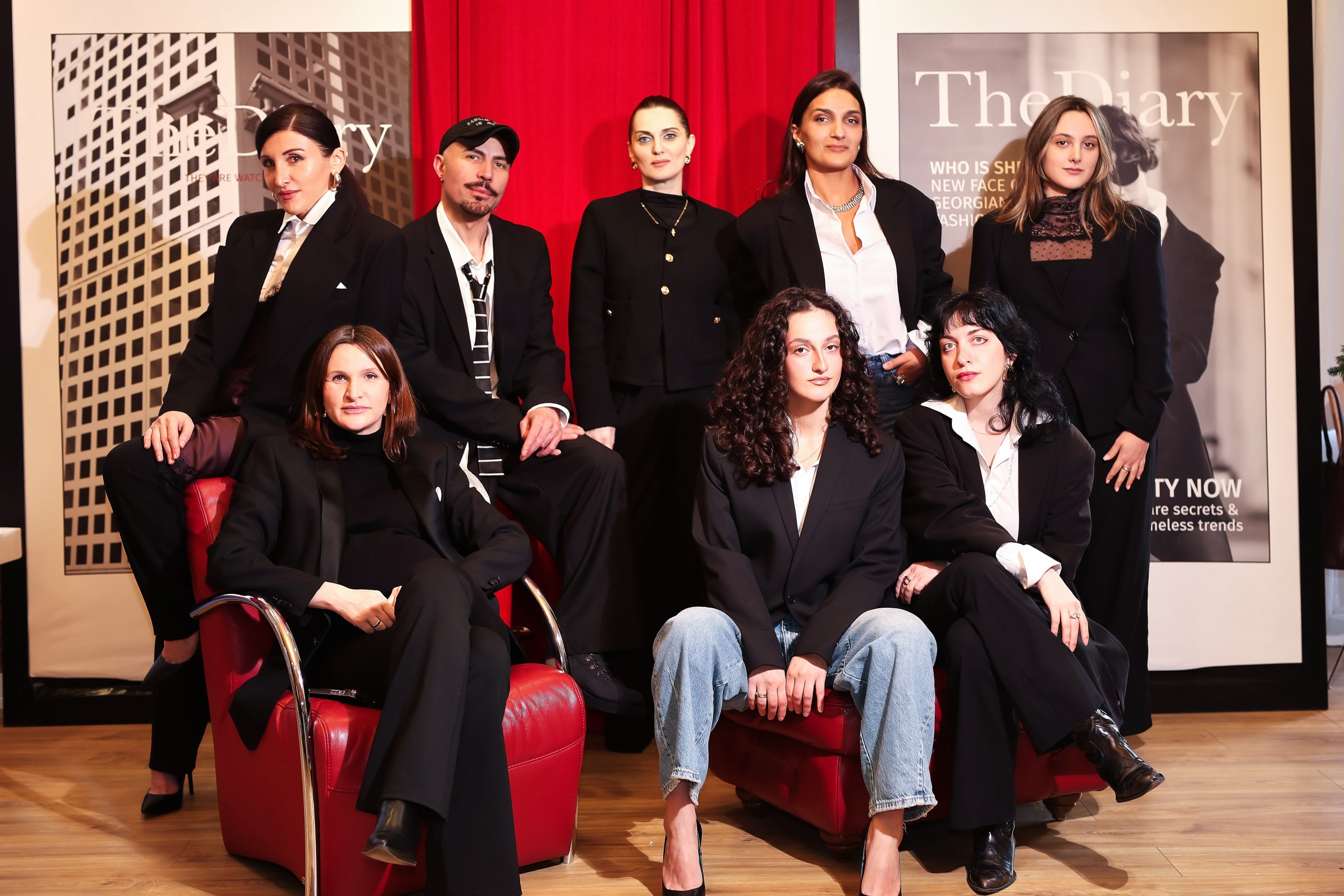
Looking ahead, what will define success for agencies in the coming years
Nanka Kikalia: The environment is demanding, both globally and in Georgia. Marketing budgets are under pressure, decision cycles are shorter, and tolerance for inefficiency is low. In this context, agencies adapt quickly, operate digitally by default, and align closely with business objectives will remain relevant.
How do you define success for Marketing Hub today
Mako Zakareishvili: Success is defined by the ability to think differently while building something that lasts. For us, that means disciplined execution, modern thinking, and relationships built on long-term trust rather than short-term results.
Nanka Kikalia: One client once told us, smiling, “you’re not exactly typical people to work with,” after presenting an idea late at night and seeing it fully realized the next day. That remark captures how we work.