Some of the best business ideas don’t start in boardrooms — they start at dinner tables, during chance conversations, or while quietly overhearing someone else’s frustration. That’s exactly how Catcati, one of Georgia’s newest and most promising commercial laundry services, was born.
Natia Tskhvedadze and her husband Rezo, two professionals with nearly four decades of combined experience in telecoms and the automotive sector, weren’t looking to reinvent the hospitality industry. But one casual gathering with friends — and one familiar complaint from hoteliers — changed the course of their lives.
The topic was laundry. More specifically: late, unreliable, inconsistent laundry services that left hotels scrambling. Damaged linens, unpredictable delivery times, frequent provider changes — the kind of recurring operational headache that becomes “normal” simply because no one bothers to fix it.
But Natia and Rezo did.
By August 2024, Catcati Georgia was registered. By February 2025, it was operational with just two employees and an ambition that felt larger than the business itself. Their promise was simple but powerful: deliver what the market desperately lacked — reliability.
And the market responded. Quickly.
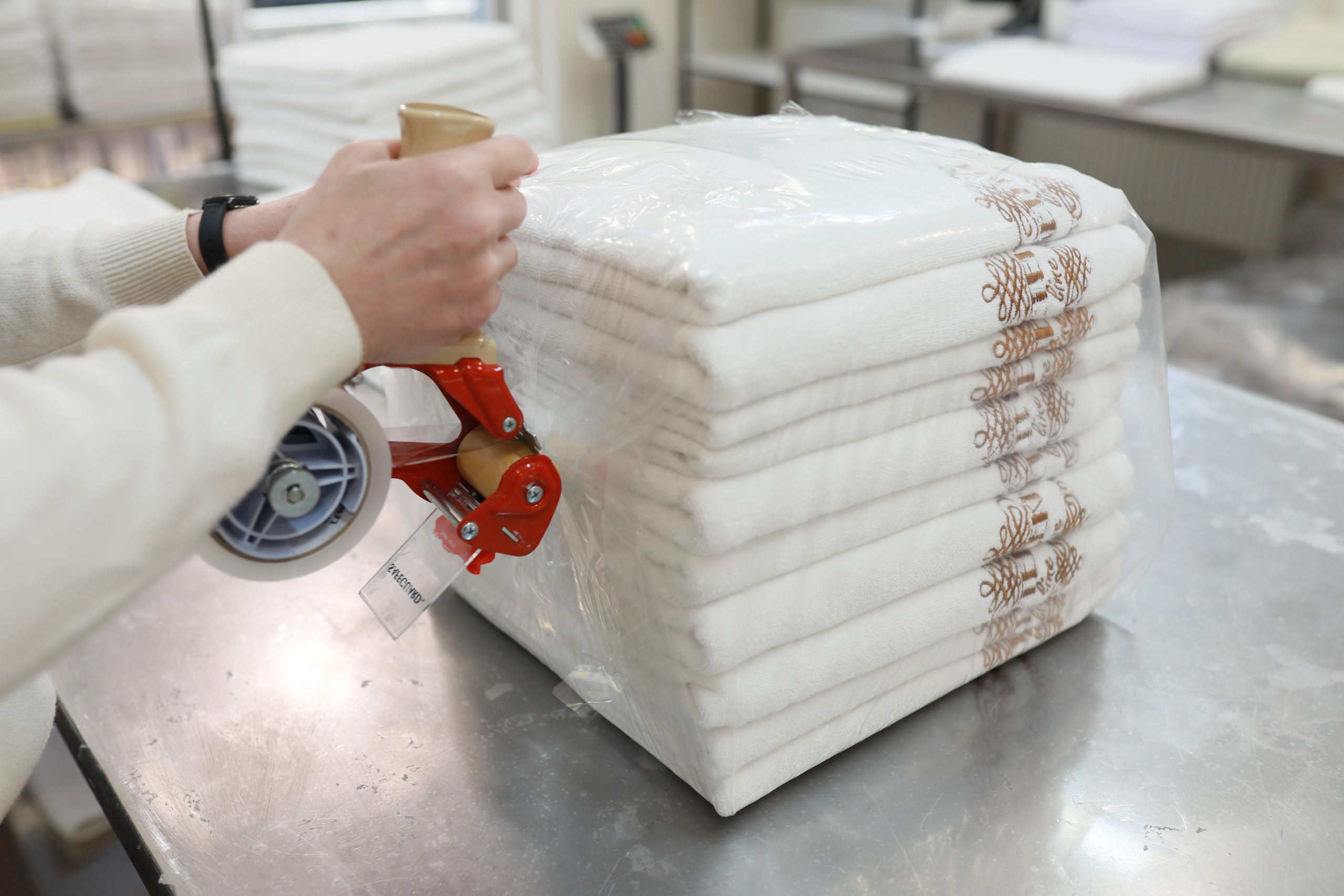
Boutique hotels, gyms, and pools were among the first to switch. Word spread quietly but rapidly: Catcati washed well, delivered on time, and returned linens in the condition really required by hospitality businesses. No drama. No excuses. No surprise hiccups. Just consistent service — a rare commodity in the industry.
Yet the foundation of Catcati’s growth was not simply operational, it was technological.
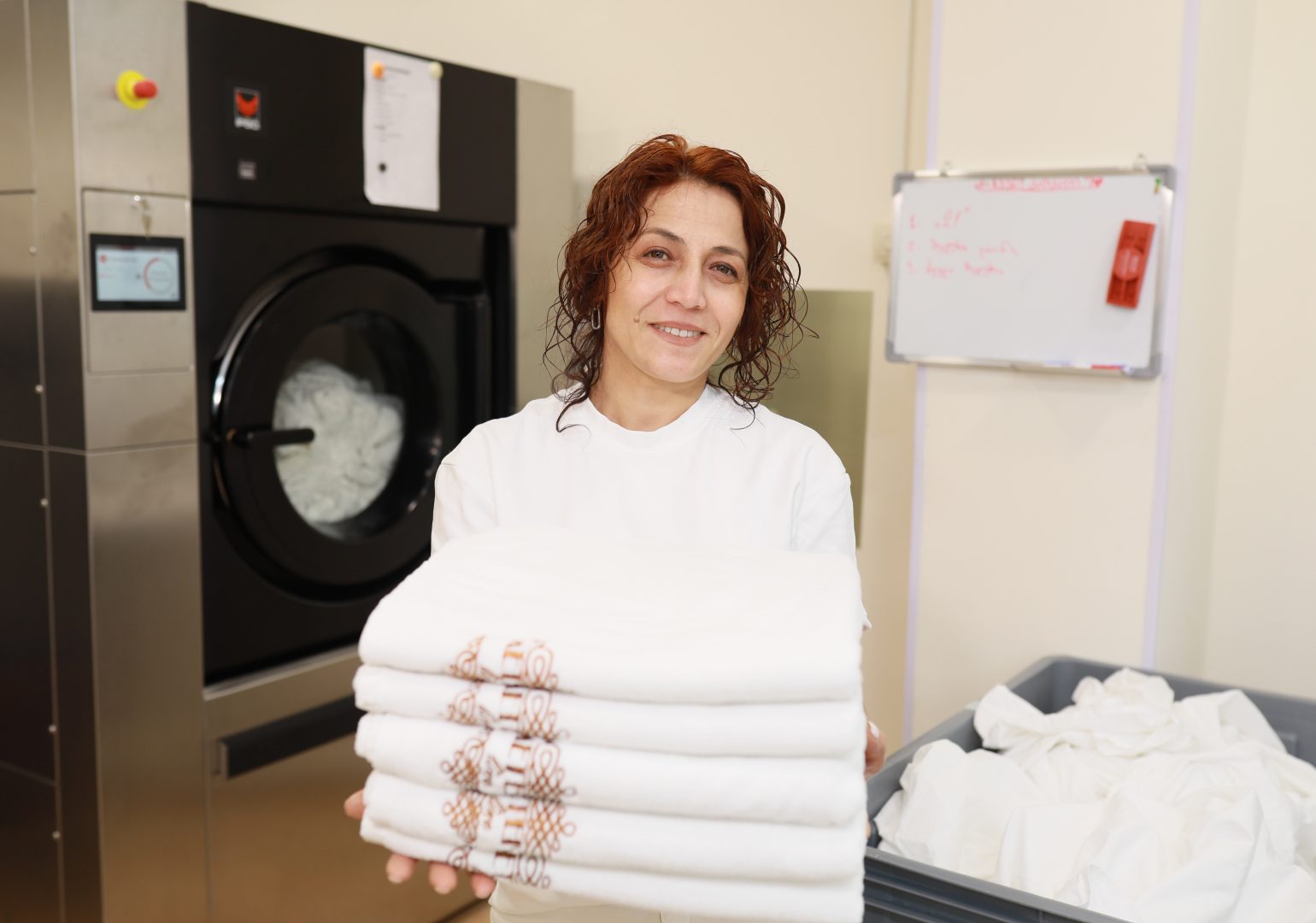
Determined to build a modern, scalable operation, the founders made a bold early decision: invest in top-tier European machinery from day one. Such equipment requires substantial capital — and this is where a strategic opportunity emerged. Through the EU4Business-EBRD Credit Line, a joint initiative of the European Bank for Reconstruction and Development and the European Union supporting SME development in Georgia, Catcati secured the financing they needed to turn that plan into reality. Upon the successful completion of their investment, the company received a 10% investment incentive funded by the European Union.
The investment incentive allowed Catcati to purchase an additional state-of-the-art machine, thereby increasing production capacity. The benefits reaped were real with reduced electricity and water consumption, operational quality matching international environmental and energy-efficiency standards — meeting the benchmarks required by global hotel brands.
And those brands have noticed.
International hotel chains have already approached Catcati — a remarkable milestone for a startup that simply began with a clear goal. The only limitation now is physical space. Which is why Catcati’s next chapter includes facility expansion, new machinery, and a workforce expected to triple by 2026.
Their progress reflects a new generation of Georgian SMEs: companies that identify inefficiencies, modernize aggressively, and build with international standards in mind from the start. Catcati may operate in a traditional sector, but its path forward is distinctly modern.
For a company born from a passing complaint, Catcati has become a compelling example of how attentiveness, timing, and the right strategic support can turn the ordinary into something exceptional.
S