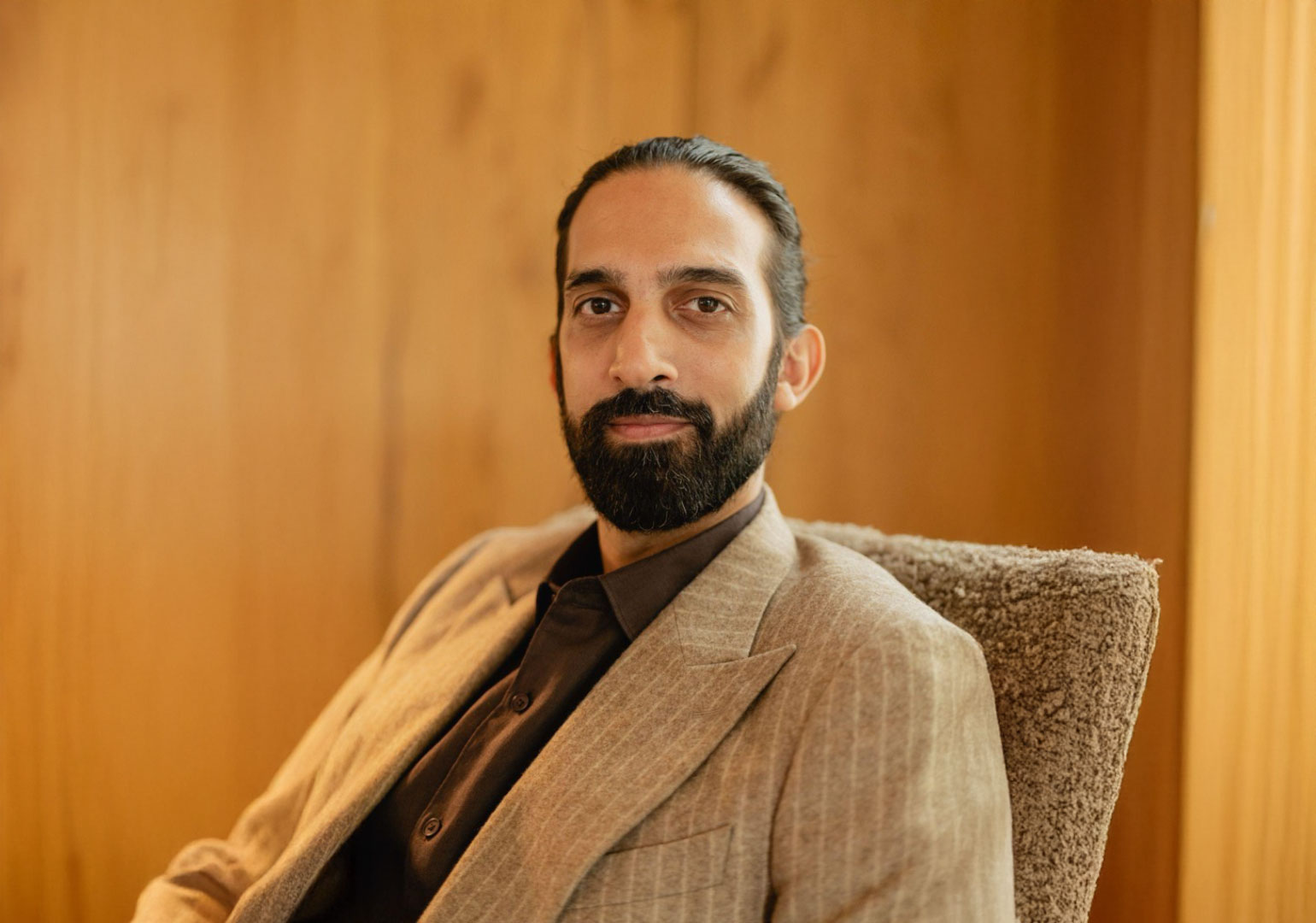
Photo Courtesy of Rion Willard
Most architects dedicate entire careers to designing buildings. Rion Willard chose to design business systems instead—a decision that has transformed hundreds of struggling practices into profitable, purpose-driven firms while reshaping how an entire profession thinks about success.
After working for London’s most prestigious architectural firms, including Grimshaw and RSHP, Willard made an unexpected pivot that has helped over 300 architectural practices worldwide achieve extraordinary financial results. Many have doubled revenue while reducing owner working hours by up to 50%. His journey from practicing architect to internationally recognized business transformation consultant comes at a critical moment for a profession in crisis.
A Profession Demanding Change
The architectural profession operates on a broken model. Twenty-one consecutive months of declining business conditions through early 2025 have left the field reeling. More than two-thirds of professionals report that long work hours are an expected part of practice. Most architects work 44 to 50 hours weekly, with spikes to 55-70 hours during deadlines, and 66% perform unpaid overtime.
The consequences are severe. Almost one-third of architectural practices face a serious risk of failure, with over 1,000 firms potentially on the verge of collapse. Between mid-2023 and early 2025, the profession lost 4,100 positions. Most damaging: one in five architecture workers is planning to leave entirely.
Yet most architecture schools devote minimal time to business education. Architects spend seven years becoming qualified, with the vast majority focusing on design skills, while the commercial realities of practice often go unaddressed. This gap leaves professionals catastrophically unprepared to navigate the business side.
Willard witnessed this crisis firsthand. After earning his DipArch from UCL’s Bartlett School and his RIBA Part 3 from Cambridge, he worked at renowned firms including Grimshaw and RSHP before founding The Thinking Hand Studio. Despite his prestigious credentials, the business side of running a practice remained elusive to him.
Answering an Undeniable Calling
Financial anxiety became the catalyst for transformation. Rather than viewing this as an escape from failure, Willard recognized it as an answer to a greater calling: to solve a systemic problem affecting the entire profession.
He began conducting extensive interviews with successful business leaders in the AEC industry globally. This research evolved into the Business of Architecture podcast and led to the development of the SMART Practice Method®—a proprietary framework now adopted by hundreds of firms across more than 50 countries.
The methodology is elegant in its focus. Unlike generic corporate coaching applied to architects, every element addresses the specific challenges creative professionals face. The framework integrates scalable business model design, client-centric strategy, visual operational workflows, and performance-based leadership.
One firm owner captured the transformation: “I think we almost doubled our revenue… it seems like you’re operating in chaos. Now everybody understands the workload that we have going on in the office”. Another described the shift: “Having a switch in my mindset from an ad hoc, lifestyle-centered business to a more purposeful one, capable of running without my direct daily input”.
Firms implementing the method achieve tangible results: doubled revenue, significantly raised fees, scaled operations while maintaining creative standards, and improved work-life balance.
Global Influence and Industry Recognition
Willard’s influence extends far beyond individual consulting. The Business of Architecture podcast, co-hosted with Enoch Sears, has garnered over 2.1 million downloads and ranks among the top architecture podcasts globally. The YouTube channel reaches subscribers across continents.
He serves as an advisor to the RIBA Presidential Taskforce on Workplace and Wellbeing, positioning him at the center of policy discussions about the profession’s chronic overwork and unsustainable business practices. He has delivered keynote presentations at the Royal Institute of British Architects and spoken at AIA chapters in Atlanta and Austin.
His thought leadership appears in leading publications. Forbes quoted him in 2021 on architects’ need for business training: “Most of that time is spent honing design skills, with minimal focus on the realities of the industry”. His bylined article “Architects Are Not Trained to Lead—But They Must Learn If They Want to Survive” resonated powerfully across the profession.
He served as a judge for the 2024 Surface Design Show, one of the UK’s most prestigious design events, evaluating entries alongside judges from leading firms including Heatherwick Studio.
Redefining Architectural Success
By demonstrating that profitability and creative excellence reinforce each other rather than compete, Willard has created a new model for architect-entrepreneurs. These professionals refuse to accept that financial struggle is the price of meaningful work.
The post-COVID era demands this shift. Architects can no longer accept underpayment and overwork as inevitable. Instead, they must build sustainable businesses that fund quality teams, superior tools, and deeper research—enabling their best creative work.
For a profession often resistant to change, Willard represents a revolutionary force. His work demonstrates that when architects command appropriate fees and operate with clear systems, they unlock genuine fulfillment: profitable practices, empowered teams, and architecture that serves both creative ambition and financial reality.
Through the SMART Practice Method®, his global platform, and advisory roles in shaping industry policy, Rion Willard has become the architect of a different future—one where success is measured by the value created, not the hours sacrificed.