Forbes is the modern ledger of wealth, but a century ago the Mdivanis lived the prototype – setting the benchmark in life and legend. Their entourage defined fortune not only in money but in cultural sway and celebrity influence that, for the first time, spanned the globe.
Paris, June 1933: the wedding of the century. When Alexis Mdivani wed Barbara Hutton, the world’s richest heiress, the city became a stage for unmatched splendour. Barbara commissioned eighty ensembles from Paris’s greatest couturiers. A black pearl engagement ring from Cartier accompanied her existing pearl necklace which had once adorned Marie Antoinette’s ill–fated neck.
Their nuptials at the Orthodox Cathedral drew 3,000 onlookers and sparked pandemonium in the streets. At the time, the ceremony became the most publicised wedding in history. As private detectives guarded the presents, Barbara’s father gifted her a Cartier jadeite necklace designed by Alexis, recently sold for $27.4 million at Sotheby’s; to his son-in-law, the whimsically named Ali Baba yacht – a fusion of their names.
Barbara bought Alexis Argentinian polo ponies, then doubled the number upon discovering his ex-wife had done the same. The Mdivani family presented the couple with a diamond-encrusted Cartier clock, a ruby-studded gold vanity case, and paintings commissioned for the occasion. The newlyweds swept through Cannes, Antibes, and Venice, popularising this honeymoon circuit after a spell of neglect. While in Venice, they bought a palazzo. The press dubbed them the ‘Glittering Mdivanis,’ and for a moment, they seemed unstoppable.
The Mdivani Phenomenon
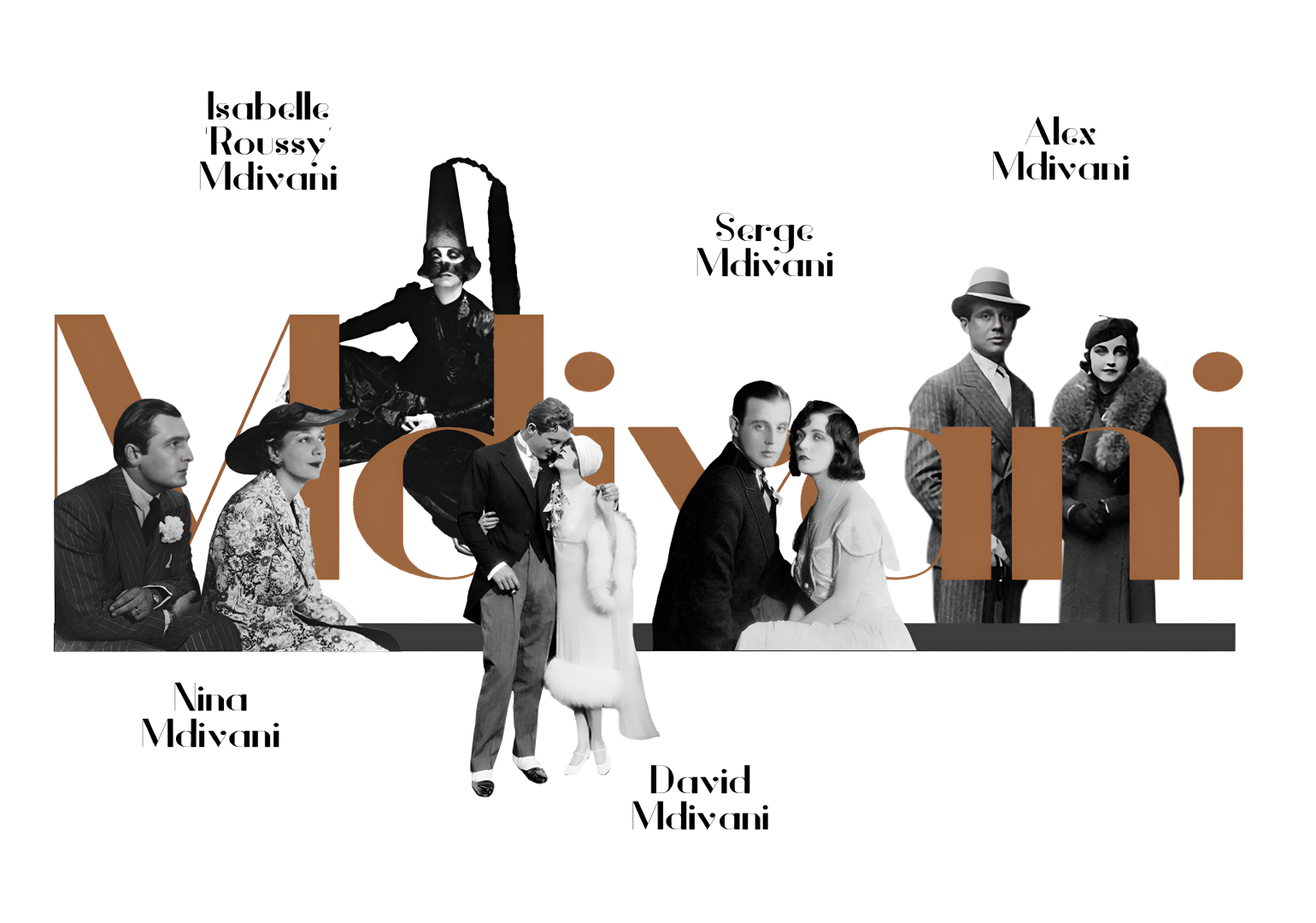
The five Mdivani siblings – Nina, Serge, David, Roussadana (Roussy) and Alexis – emerged from obscurity to become the common thread interwoven through the lives of some of the world’s most influential figures. They didn’t just infiltrate the global elite – they set its pulse.
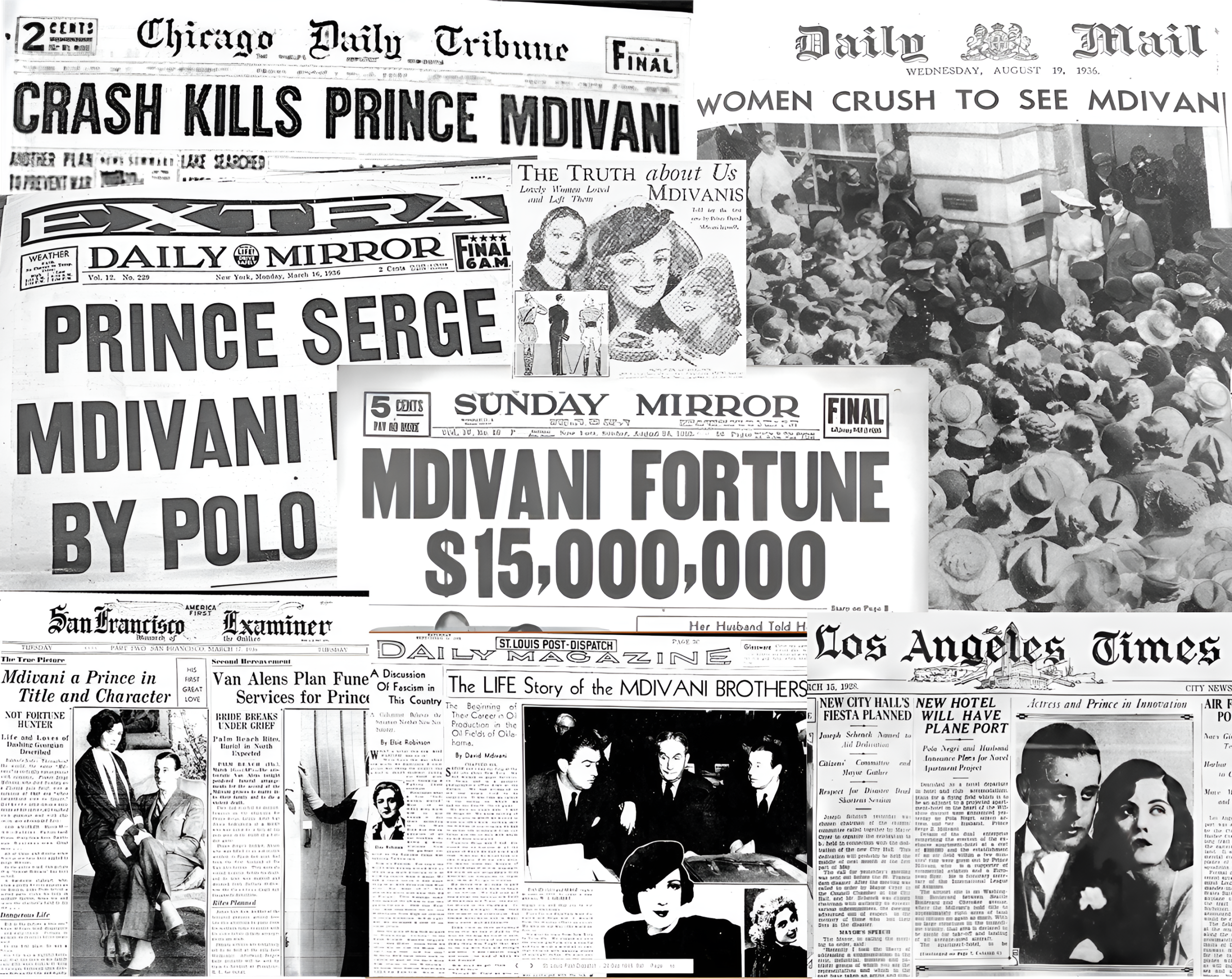
From their beginnings as penniless refugees of revolution–torn Georgia, they catapulted onto the world stage during the ’20s and ’30s – their names whispered at every high society soirée and breathlessly scrutinised by the burgeoning tabloid press. The Mdivanis personified the zeitgeist – they were clickbait before the word even existed.
David & Serge: A Hollywood Tale
During a heated studio argument, movie superstar Mae Murray, famed for her iconic ‘bee–stung lips’, fiercely declared, ‘I’m the Queen of MGM!’ Every queen needs a prince, and Mae found hers in the dashing newcomer, David Mdivani.
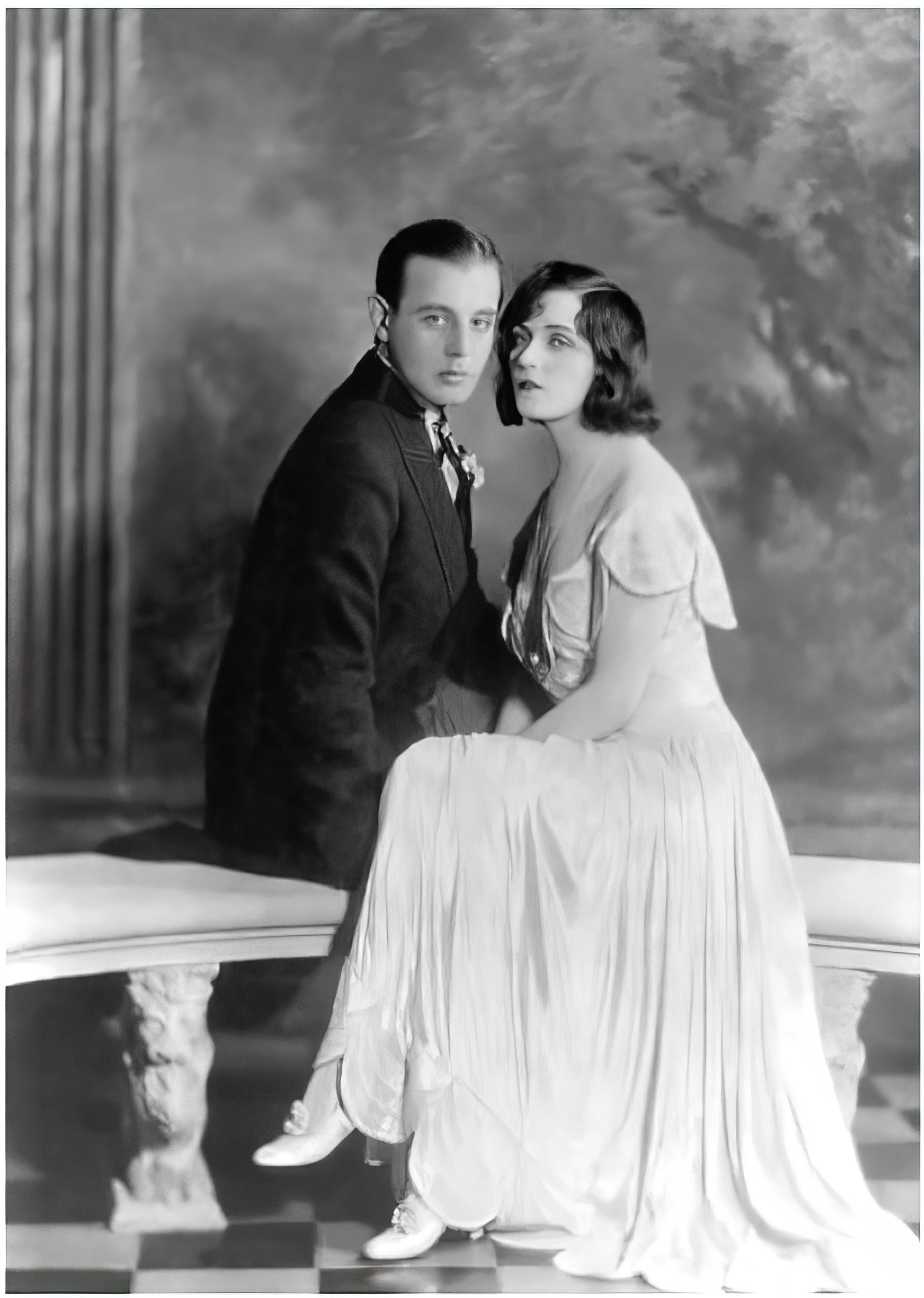
Mae, arguably Hollywood’s first prima–donna and the inspiration for Norma Desmond in Sunset Boulevard, could be seen arriving at the studio gates in a canary–yellow Pierce-Arrow with solid gold trim, flanked by chauffeurs donning cream and black uniforms, draped in luxuriant sable lap rugs. She was introduced to David by their mutual friend and Hollywood rival, Pola Negri. Pola, the femme fatale of cinema, known for her fiery love affairs with Charlie Chaplin and Rudolph Valentino, was famously dubbed ‘the Passionflower among dandelions’, setting enduring trends like red-painted toenails, fur boots and turbans.
Mae and David’s wedding was a Hollywood spectacle. Held at Valentino’s estate in Bel Air, the host stood as best man, while Pola Negri – then, his lover – served as maid of honour. The reception at the legendary Ambassador Hotel was a fever dream of excess, with coconut trees, stuffed monkeys, and parrots fluttering freely through the lavish ballroom.
Valentino’s sudden death days later became the fateful catalyst for another Mdivani. As thousands lined the streets for his funeral, with some fans even driven to suicide, rumours swirled that the young ‘widow’ had found solace in the arms of a new lover: Serge Mdivani, David’s equally handsome, but ‘Latin–looking’ brother.
It wasn’t long when the two were spotted aboard the Aquitania together, bound for France. The pair soon married at Pola’s Château de Seraincourt near Paris, where hundreds of villagers and journalists gathered in rapt attention. ‘Let everybody have some champagne – lots of champagne!’, insisted Pola’s mother.
The château teemed with a revolving door of notables, among whom Maurice Ravel, Claude Anet, and Pablo Picasso. Across the Atlantic, the press was abuzz, and the American public – stirred. Renowned operatic bass Feodor Chaliapin scolded her friend: ‘One who was Valentino’s enamorata does not dare contemplate a marriage.’ Mae, her off-screen rivalry now as fierce as her on-screen one, publicly declared Pola a persona non grata as she headed on a world tour with David.
Still, Pola was intent on defending her honour – ‘I did love my first husband, Count Dombski, I adored Valentino, and I grew very fond of Charlie Chaplin. But Serge means more to me than them all!’
From then on, every move of the Mdivani Hollywood couples became headline news. The ‘M’ in M’Divani became silent – easier for the gossiping masses to pronounce. One persistent rumour in the press questioned their aristocratic lineage, fuelled by the fact that few could even find their homeland on a map.
Georgia, where Europe meets Asia, is a land steeped in history, celebrated as the birthplace of wine and the mythical home of the Golden Fleece. With over 3,000 years of statehood, it has endured the rule of nearly every major empire, yet always prevailed. Survival, it seems, is woven into its people’s DNA.
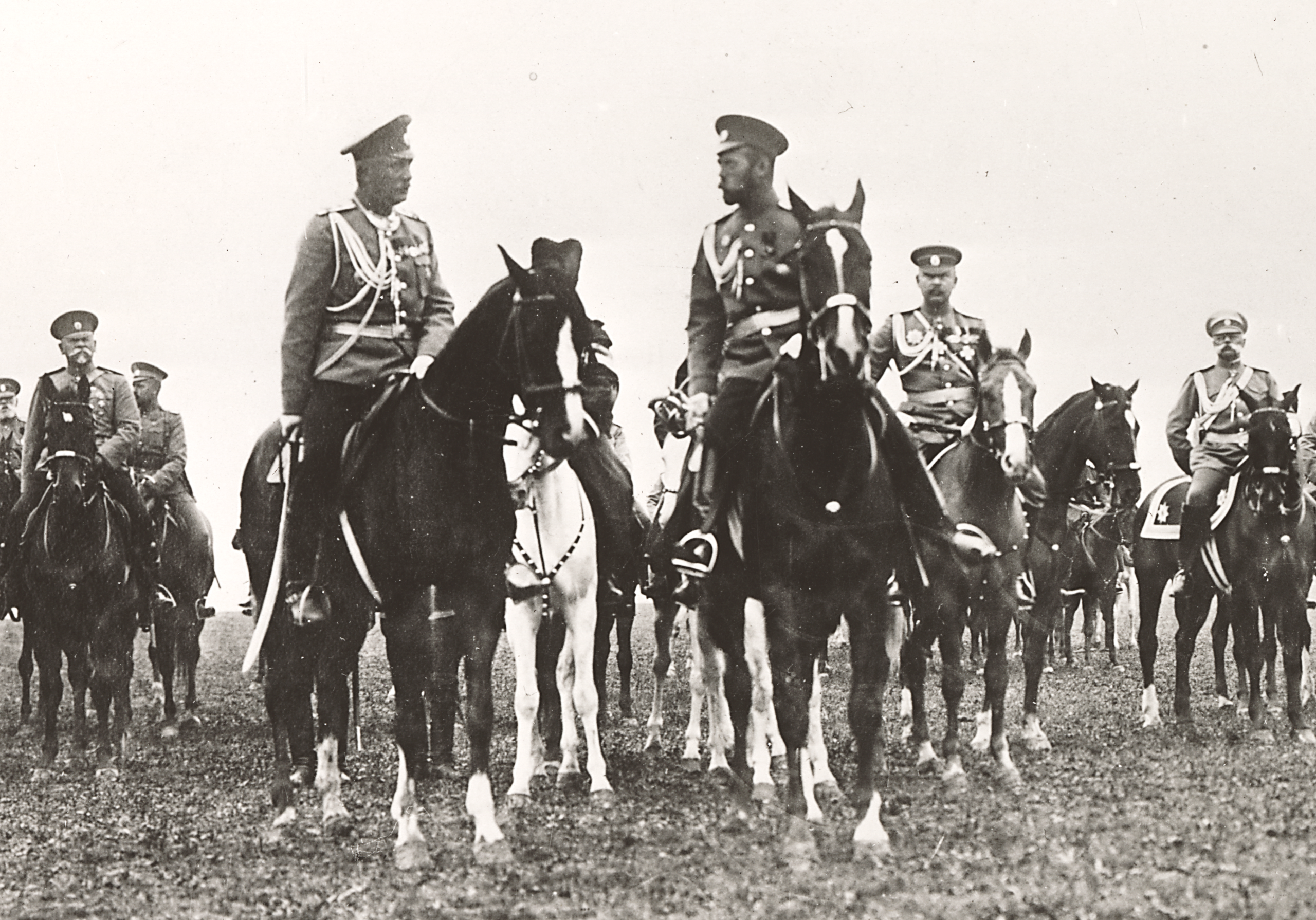
The Mdivani belonged to the Georgian gentry, but their influence extended far beyond their homeland. Their father, General Zachary, served as an aide–de–camp to the Russian Tsar, while their mother, Elisabeth, stirred controversy in the imperial court alongside her friend, the infamous mystic Rasputin. With such a standing and a lineage that did include a princess and a count, the Mdivani children were born into a world steeped in power and intrigue – a legacy that would indelibly shape their ambitions.
Nina, the eldest, was the family’s anchor; David and Serge mirrored each other’s lives, while the youngest, Roussy and Alexis, shared a bond so strong it doomed them both.
Roussy: A Parisian Triptych
In 1921, as the Red Army swept into Georgia, the Mdivanis fled to France via Istanbul, leaving behind a trunk of treasures – perhaps forgotten, perhaps a decoy for looting soldiers. The impoverished immigrant family, with five teenage children scrambled to survive. Alexis and Roussy hustled through Istanbul’s streets, trading shoeshines for coins and posters for cinema tickets. No one could have imagined they’d soon be racing through the Place de la Concorde in open Rolls-Royces, hand in hand.
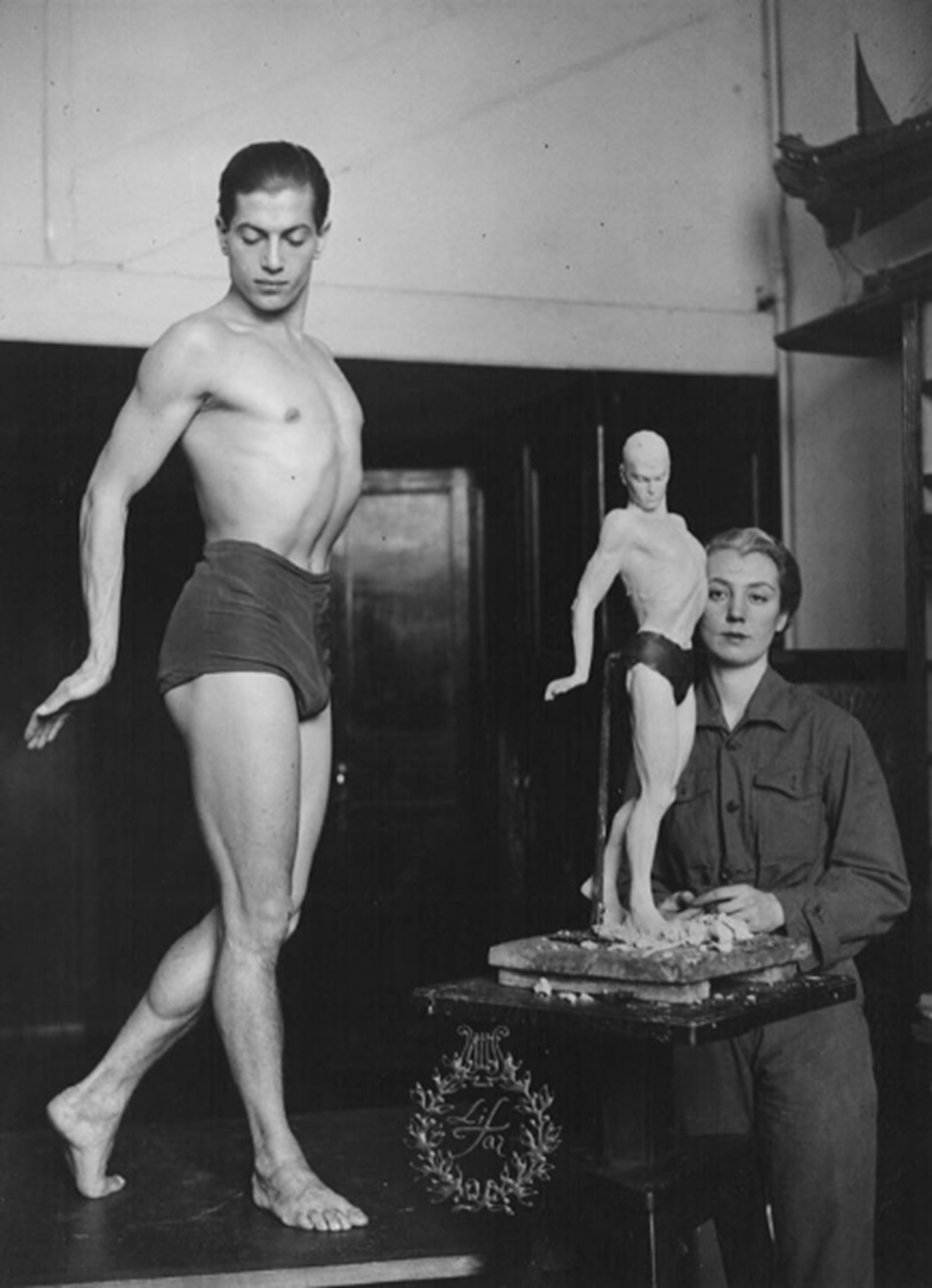
Roussy was made for Paris – a city of art, fashion, and excess that became her perfect canvas. At just seventeen, she was making headlines when three of her sculptures were accepted by the prestigious Spring Salon of the Académie des Beaux-Arts. Among the admirers was Morgan Hamilton, grandson of J.P. Morgan, who bought one of her pieces.
Two years later, at nineteen, she became lover to 49-year-old Josep Maria Sert, the ‘Tiepolo of the Ritz,’ famed for the Rockefeller Centre and Waldorf–Astoria murals that made him one of the world’s highest-paid artists. The scandal? It wasn’t the age gap. Sert was married to Misia, the powerhouse ‘Queen of Paris’, muse to Renoir and Toulouse–Lautrec, collector of Van Goghs, discoverer of Apollinaire, godmother to Picasso’s child, and patron of Diaghilev’s Ballets Russes.
Misia, too, ‘fell under the spell of Roussy’s luminous beauty.’ Talk of a ménage à trois soon crystallised, fanned across Europe by their friend Count Rzewuski. The love triangle inspired Jean Cocteau’s play Les Monstres Sacrés and Alfred Savoir’s Maria, even prompting Misia to storm out mid-performance. Fascination endures, recently reignited by Chanel’s Coco Crush fashion style Trio.
As tension in the throuple peaked, Josep sought marriage annulment. Misia, unshaken, handpicked both the engagement ring and a Cartier ruby necklace as a wedding gift. She even secured special prices for Roussy from Chanel, who needed no convincing – she saw in her ‘the ideal model… a tall, elegant girl who wore clothes with such nonchalant distinction.’
Schiaparelli’s associate Bettina Bergery described Roussy as one of the three reigning beauties of Paris. Salvador Dalí, who saw Roussy regularly, named her ‘fairy skeleton of the sveltest poetry’. Long before the dawn of the hippies, she dressed in bohemian aesthetic, albeit kissed by Chanel refinement: boleros studded with polychrome stones, shiny raincoats, boots and rakishly perched beanies. Vogue fashion editor Madame Ballard observed that Roussy, the ‘languid green-blonde beauty’, belonged to the select set of Les Dames de Vogue – true élégantes, set apart from the pseudo–elegantes of Les Dames de Femina.
Roussy was photographed by giants like Man Ray, Cecil Beaton, Horst P. Horst, André Durst, George Hoyningen–Huene and François Kollar. She was seen accompanied by monkeys dressed in rich Oriental brocades, adorned with diamonds and emeralds. Yet she retained the gravitas of a serious artist, receiving prestigious commissions from US President Coolidge, Prince Henry of the Netherlands, the Mellons, the Carnegies, Hollywood stars, and the Harmon aviation trophies commissioned by real estate titan Clifford Harmon.
Her apartment on Place du Palais Bourbon was featured in Vogue and Harper’s Bazaar as ‘the epitome of elegance.’ The couple also purchased a 16th–century farmhouse, Mas Juny, on Spain’s Costa Brava, which they transformed into a retreat for the crème de la crème of international society. ‘The poorest and most luxurious spot in Europe,’ Dalí quipped. Marlene Dietrich, Colette, Jean Cocteau, Luchino Visconti, Anthony Eden, and André Gide were among the many. The house earned a reputation for its exclusive guest list and hedonistic soirées – some whispered of orgies.
Alexis: An Heiress Triptych
In summer of 1930 Alexis Mdivani attended a Newport debut where three women converged – each one destined to shape the course of his life: Barbara Hutton, a Woolworth heiress; Louise Van Alen, of Astor and Vanderbilt lineage, long enamoured with Alexis; and Silvia Rodriguez de Rivas, daughter of the Count of Castilleja de Guzmán, with whom Alexis fell instantly in love.
When Silvia’s father uncovered their plans to elope, he swiftly arranged her marriage to French aristocrat Henri de Castellane, leaving the star–crossed lovers devastated. Heartbroken, Alexis turned to Louise, deeming her a sensible, practical choice; she was rich, ravishing and enraptured by Alexis, while her brother, Jimmy Van Alen, was his longtime friend.
Their wedding was described as ‘one of the simplest and least ostentatious society weddings in Newport.’ Life afterward, however, was raising eyebrows on both sides of the Atlantic. In their early twenties, ‘they were competing with people like the Rothschilds – often outdoing them.’ One detail the social world couldn’t ignore was Barbara Hutton’s unmistakable presence in their marriage.
The drama peaked at Mas Juny, when house guests Count Vespucci and Baroness D’Antoine ‘stumbled’ upon Barbara and Alexis in the midst of an affair. Scandal erupted, Barbara fled, and Alexis, caught with his pants down, offered Louise a divorce.
As heavyweight suitors like Italian Count Borromeo and U.S. banking heir Anthony J. Drexel III swarmed around Barbara, the scandal-ridden heiress escaped to Asia. Alexis, with quiet precision, planned his voyage to match her itinerary. In true Mdivani fashion, he bought every flower they passed in Bangkok and filled her bathtub with baby ducks. Then, he proposed. Barbara could not refuse.
Their Paris wedding was so excessive it enraged the American press, which railed that they enriched French ‘fashion racketeers’ at the height of the Depression.
With his family’s military pedigree and Woolworth fortune, Alexis was cast as a rising figure in the émigré movement against communism. Their extended Asian honeymoon only fed rumours of hidden political intent – though diplomacy never precluded indulgence. They swept through Kyoto, Shanghai, and Hong Kong before partying with their friend, the athletic Maharaja of Jaipur, ‘Jai’ Sawai Man Singh, who swooped between his St Moritz chalet, Paris and London mansions, Riviera retreat, and his 200-room pink palace at Rajasthan.
When Barbara turned twenty–one, she became an instant contender for the title of the world’s richest girl, inheriting a staggering $42 million – around $1 billion today. For her twenty–second birthday, Alexis hosted an opulent celebration at the Ritz in Paris, later hailed by hotelier Marie-Louise Ritz as ‘one of the greatest triumphs in the history of the Ritz.’
The Mdivani Curse
The lives of David and Serge continued to weave together.
When Pola fell pregnant, Serge vowed to abandon Hollywood and build a family in privacy and peace. But a freak riding accident in the Bois de Boulogne ended in miscarriage, destroying their dream of a settled life. They never recovered, culminating in a highly publicised divorce.
‘I knew I was heaven–bound,’ exclaimed Mary McCormic upon meeting Serge. Fourteen years his senior, Mary was one of the biggest opera stars and flaunted her $2 million fortune. It wasn’t long until the exuberant diva was parading an engagement ring, while the couple cruised down the Champs–Élysées in an open Rolls Royce. She would later state: ‘American men do not comprehend leisure because they are not versed, like the Mdivanis, in ways of spending it. Neither do they understand the art of spending in the grand manner.’
David, meanwhile, was embroiled in a bitter divorce of his own. The scandal reached its peak with a custody battle over their secret son, Koran. Mae Murray, one of Hollywood’s most visible stars, had never appeared pregnant, casting a lasting air of mystery over the child’s parentage.
David was quickly linked to a string of Hollywood’s elite ladies. The brother’s business venture, Pacific Shore Oil Company, was thriving, but matrimonial escapades of the ‘Marrying Mdivanis’ were more interesting. Journalists joked ‘An heiress left England without getting engaged to a Mdivani. The matter is being investigated.’
One such paramour, Rose, sister of actress Marion Davies and an expert in all things male, was overheard discussing David’s intimate physique in such extravagant terms, likening it to the Empire State Building. A notch above Rubirosa’s pepper mill it seems. Serge was equally gifted. Mary McCormic attested that in lovemaking, Mdivani ‘technique was certainly unrivalled by any of the bloods of Southampton or Sands Point.’ Yet even such prowess couldn’t prevent their divorce.
While the press frothed with speculation, they overlooked David’s two-year secret relationship with French film legend Arletty.
Barbara Hutton followed. Labelled a ‘polo widow’, she divorced Alexis, as he focused on leading his team Les Diables to global victories. The freshly minted bachelor flitted between his Venetian palace, the Abbazia San Gregorio, and his sumptuous Parisian apartment on Place de Palais Bourbon, staffed by Indian servants in white silk tunics with scarlet sashes.
Alexis’s romantic past was as vivid as his reputation, starting at fourteen with French star Mistinguett, followed by African American dancer Louise ‘Snake Hips’ Cook, socialite Evelyn Clark, and Toto Koopman, the first bi–racial, openly bisexual Vogue cover girl–turned–spy, who saw the Mdivanis as demigods. Murmurs now pointed to the Maharani of Cooch–Behar or actress Kay Francis. The truth, as always, was way more scandalous. Alexis had started an affair with Maud, the striking wife of industrialist and art collector Baron Heinrich von Thyssen–Bornemisza.
In August 1935, racing across Costa Brava with Maud, Alexis lost control of his Rolls–Royce, with witnesses suggesting it happened mid–lovemaking. Alexis was killed instantly. Maud barely survived. Salvador Dalí was one of the first to hear of the accident. He later reflected: ‘This period of summer enchantment – the last days of happiness in Europe – ended the day Alexis Mdivani died.’ The polo world mourned. Barbara Hutton locked herself in her room for days. Roussy’s grief was said to be terrifying.
What unfolded next simply defied belief. After divorcing his opera prima donna, Serge Mdivani married his former sister–in–law Louise Astor Van Alen. A columnist remarked that Louise marrying two Mdivanis was like ‘jumping off the Empire State Building and surviving – not once but twice.’
But survival was not his to earn.
Just five weeks after the wedding, the Mdivani curse struck again. During a rain–soaked polo match in Delray Beach, Florida, Serge was thrown from his horse and fatally injured.
Serge’s estate, including oil holdings, gold mines, and millions from Alexis’s inheritance, was split among the remaining Mdivanis – and intriguingly, with Louise and Barbara. The ‘fortune–hunting Mdivani’ charge, long trumpeted by the press, now faded. One reporter called it ‘a rare real–life tale where virtue triumphed.’
Suffocating in depression, Roussy self-medicated with opium and barbiturates, said to resemble Vermeer’s Girl with a Pearl Earring. She refitted a Venetian Trabaccolo into a sleek yacht, christening it Saint Alexis after her late brother. From Capri to Ithaca, Josep and Roussy sailed the Mediterranean endlessly, accompanied by her monkey, a Great Dane, and a rotating coterie of close friends. Among them were the Countess de Castéja, heiress to the Singer fortune; Lydia, wife of Royal Dutch Shell founder Henri Deterding and once the lover of his rival Calouste Gulbenkian; and the avant-garde composer Igor Markevitch, who had written Hymne à la Mort for Alexis’s funeral.
Gravely ill with tuberculosis, Roussy refused treatment until Chanel, in desperation, tricked her into a Swiss clinic under the guise of needing care herself. Chanel smuggled in a basket of marzipan flowers from Fauchon, inside it a hidden cache of morphine. In gratitude for their years of friendship, Roussy gifted Coco a priceless ruby necklace.
By the recollection of Jean Hugo, great grandson of Victor Hugo, Roussy lay smiling, as Denis Conan Doyle administered the last rites. Grief–stricken Josep Sert awkwardly attempted to shroud her body in an oversized blue eiderdown, battling Chanel, who insisted on adorning her casket with lilies.
Decades later, the House of Chanel honoured her memory with fashion styles bearing her name and a signature lipstick: Rouge 426 – Roussy. Artist and Warhol muse BillyBoy* claimed she appeared to him in a dream, inspiring his haute couture doll, Mdvanii. Her sculptures grace Sotheby’s sales and prized collections.
Nina: First to Arrive, Last to Leave
First-born Nina became family matriarch after their mother’s tragic death. Her friend, cosmetics queen Helena Rubinstein, called her ‘the salt of the earth,’ a description she embodied. After the Sorbonne, she wrote for newspapers before becoming the first Mdivani to marry in 1925, to celebrity lawyer Charles Huberich, former acting head of Stanford Law School. He later handled most of Mdivani divorces – including, eventually, his own.
Unable to have children and mourning her siblings, Nina sought comfort in Denis, the son of Sherlock Holmes creator Arthur Conan Doyle. A racing enthusiast, he reminded her of the brothers, and their companionship soon deepened into love. The pair wed at medieval St Donat’s Castle in Wales, which Nina borrowed from her friend, newspaper mogul William Randolph Hearst. Nina also returned to writing, her Tribute to Womanhood hailed as ‘one of the truest tributes to womanhood in modern English literature.’
Their wanderlust was insatiable, often joined by her brother David from California, now accompanied by his latest wife, Virginia Sinclair, daughter of oil tycoon Harry Ford Sinclair. Grand soirées at Alhambra Palace melted into fittings at Balenciaga, where Nina was always greeted with red roses from the designer himself. She voyaged à la Mdivani — with her dachshund Schnitzel, sixty Louis Vuitton trunks, a French maid, a Rolls-Royce, a canary, and a bearer for Denis.
Their companions were as eclectic as their itinerary: Baron Maurice de Rothschild; Egyptian minister Fakhry Pasha; Dr Serge Voronoff, the surgeon notorious for grafting monkey testicle tissue into humans; and, in Zanzibar, the Aga Khan, who confided after meeting Nina that his grandfather’s will had listed his ‘three thousand Georgian concubines.’ On the Riviera, they joined high-society swan Patricia Lopez-Willshaw, her husband (and cousin), the fertiliser millionaire Arturo, his lover Baron de Redé, and the flamboyant Duke Armand de la Rochefoucauld — in short, a classic Mdivani ensemble.
Denis inherited his father’s passion for spiritualism and lectured on the subject. Nina claimed darker gifts, visions that foretold her brothers’ deaths. When thirteen shots rang out In 1955 during a hunting trip with the Maharaja of Mysore – a pastime she despised – she felt the omen return. Denis sickened and died.
Into the void stepped Denis’s Harvard-educated secretary, Tony Harwood, a tweed-clad poet who nursed Nina through two years of despair before becoming her third husband and moving with her into Claridge’s. Gossip raged: Tony was younger, gay, and kept a flat on Sloane Square for his lovers, among them filmmaker Derek Jarman, where he staged drag soirées draped in Nina’s world-famed turquoise collection.
In a curious parallel, David Mdivani divorced his oil-heiress wife amid rumours of a lesbian affair with socialite Virginia Catherwood, once the lover of novelist Patricia Highsmith.
The Sherlock Holmes estate was in turmoil and Nina in bitter feud with the Conan Doyle family. To settle it, the rights were put up for sale. In a twist worthy of Holmes himself, the secret winning bid was Nina’s, concealed through a front company and financed against her jewels. Within a year, she revived the brand, doubled its income, and set the great detective striding again across Hollywood and Broadway. Even J. Paul Getty, on seeing Nina, joked that only his portrait in Sherlock’s hat could illustrate her book.
In New York, she sat for her friend Andy Warhol’s iconic Polaroids and for tea with Lee Radziwill, sister of Jacqueline Kennedy. In England, she was drawn for Vogue and drawn into society with her goddaughter Tania Duckworth, the Sri Lankan “anti-wife” of Viscount Weymouth. In Paris, she moved in step with ballet icon Serge Lifar and in circles with Gerald Van der Kemp, saviour of the Mona Lisa.
Tragedy descended yet again – Tony found dead in London, amid rumours of a drug overdose or a sex game gone wrong. The cast of the Mdivani epic was fading. Mae Murray, her mind faltering, entered the Motion Picture Country Hospital declaring, “Step aside, peasants! Let the princess Mdivani pass!” Barbara Hutton, the “poor little rich girl,” died alone despite seven marriages and three princess titles. In 1984 David succumbed to a heart attack in Los Angeles. Nina died on 19 February 1987 in her red velvet bed in London – on the centenary of the first Sherlock Holmes book, A Study in Scarlet.
A MdiVanity Fair
The forerunner of the Forbes Billionaires List of 1982 appeared in 1918, naming America’s thirty greatest fortunes. Around the same time, among the peers of that world was Zenas Marshall Crane, the American banknote magnate who urged General Mdivani to send two of his sons to study in the United States. There, at Phillips Academy Andover, Mdivani boys first stepped into circle of the Astor’s, the family whose fabled ballroom, which could hold only four hundred, was the reference for the name Forbes 400.

As the old world crumbled in war and revolution, and a new one emerged, one family stood apart – both cast and creators of their own legend. Amid millions who fled with nothing, the five Mdivanis rose from exile as a living marvel, magnets for fascination among the most powerful names of the twentieth century.
The Mdivanis inspired haute cuisine and haute couture, theatre and music, art and pop culture, and even horticulture (an orchid was named after Nina). Princess Diana’s step-grandmother, the best-selling novelist Barbara Cartland, declared Nina to be ‘the last of the fabulous personalities in a world of mediocre nonentities.’ Dali claimed Roussy was one of the most interesting women he had ever met, while cinema megastar Mae Murray hailed David ‘the most fascinating man in Hollywood’. The press spoke of the ‘Mdivani Spell,’ Dale Carnegie analysed the Mdivani charm in his landmark book How to Win Friends and Influence People, and F. Scott Fitzgerald immortalised them as a distinct species of celebrity. They even came up in a U.S. congressional hearing.
Measured not only in money but in allure, theirs was the fortune that defined a new age – pioneering the world we know today, where wealth, celebrity, and influence converge. The ‘Mdivani Index’ captured the timeless fascination with who is on top, in the new form Forbes now codifies.

DAVID GIGAURI is a partner at Gryphon, a London-based emerging markets investment firm. He advises family offices and private companies on private market opportunities across borders and is co-founder of the fintech law firm Feesier. His early career includes positions at J.P. Morgan and BP, with experience working in London, Moscow and New York. He holds a BA from University College London (UCL) and an MA from the London School of Economics (LSE), and completed the Singularity Executive Program in Silicon Valley.
In addition to his professional career, David is a published author and researcher, specializing in the history of Georgia and the Caucasus. His latest book, The Mdivani Saga (2024), explores the scandalous lives of a family of secretaries – a global phenomenon of their time that helped establish the modern idea of the “celebrity lifestyle”. His first book, Be My Guest: The Georgian Recipe for Cooking Success (2013), brings together stories and culinary recipes from Georgians who have achieved fame on different continents – from a Napoleonic hero to the founder of the New York City Ballet. The book has been translated into German (Georgien: Eine kulinarische Liebeserklärung – Anekdoten & Recepte, Stocker Leopold Verlag, 2018) and was presented at the 2018 Frankfurt Book Fair. He regularly publishes his works and speaks at cultural and academic institutions.
David is a board member of the British-Georgian Society and founder of the annual Rustaveli Day at the Royal Asiatic Society in London. He spearheaded the initiative to join the Newcastles of the World Alliance, which connects Newcastles around the world to share best practice and foster collaboration in the areas of tourism, culture, business, education and youth engagement. David is also a member of the advisory board of the Toradze Foundation, which supports young and emerging artists, and serves on the BAFPA committee of Battle Abbey School in the UK.