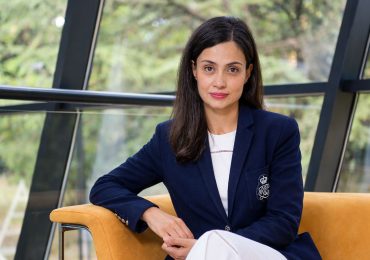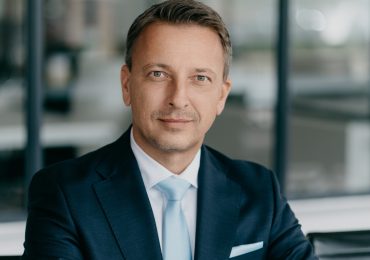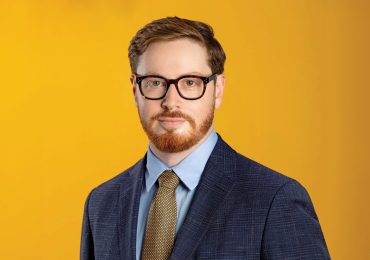
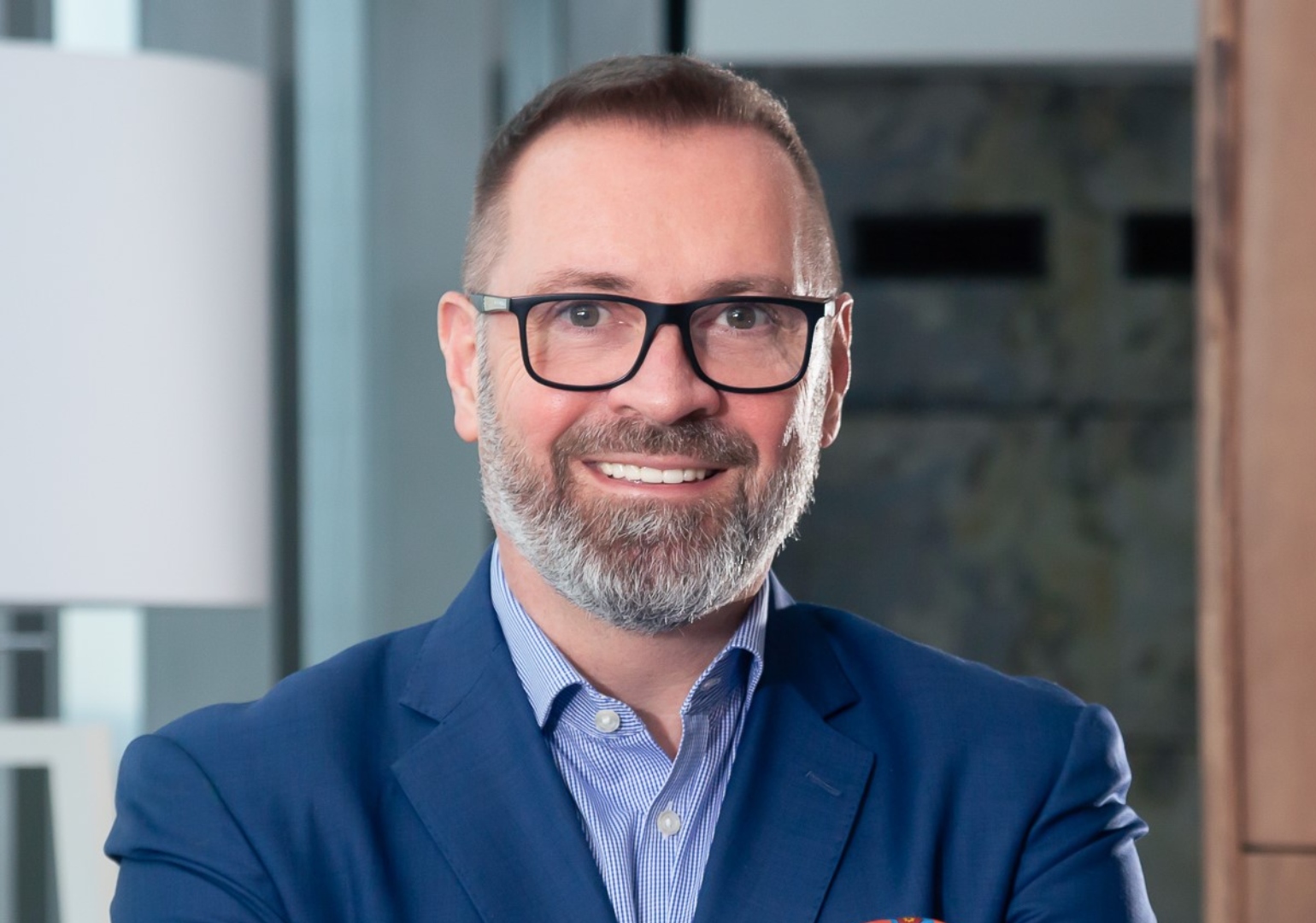
Patrick Naughter, General Manager of Hilton Batumi, turned sustainable hospitality from aspiration into practice: preventing over 6 metric tonnes of waste from landfill this year, mobilizing competing hotels around a shared sustainability agenda, and showing that the greatest investment is emotional rather than financial. The approach aligns with Hilton’s 2030 Goals, but what drives it is more fundamental: “It’s just the right thing to do.”
What led you to Hilton Batumi?
My journey with Hilton started in 2017. During my career I worked with multiple companies across various countries, and I joined Hilton to open a new hotel in Moscow. Together we opened in 2018, and I took it through initial positioning, then COVID, then the necessary repositioning that followed. By late 2021, I was ready for a new opportunity, and Batumi was recruiting for a General Manager at exactly that moment. The stars aligned.
Georgia had been on my radar for years. I’d always loved the cuisine, enjoyed the delightfully unpredictable interactions with Georgians I met in various places, and of course the wine. When this opportunity arose, I was thrilled. I had some insight because we’re a tight-knit community within Hilton, and I knew my predecessor through joint regional initiatives before then.
When you arrived, what was your initial strategy?
Step one when arriving in a new environment is to pause. Observe. See how things are. If it’s not broken, don’t try to fix it.
The business was already very well established, yet there were opportunities as the market recovered post-COVID, particularly with an influx of pent-up leisure customers from the Middle East. That first summer was a bit of a stress test, repositioning for a completely new demographic, not just at our property but across the entire market.
I also started looking at sustainability. There were already some fledgling practices in place, and when I spoke with hospitality peers in the market, I found genuine interest in advancing these efforts. Some were experiencing frustrations; they wanted to do more but weren’t sure how. This has been top of mind for me for as many years as I can remember.
In your experience managing hotels across multiple countries, how does Georgia compare in terms of sustainability awareness?
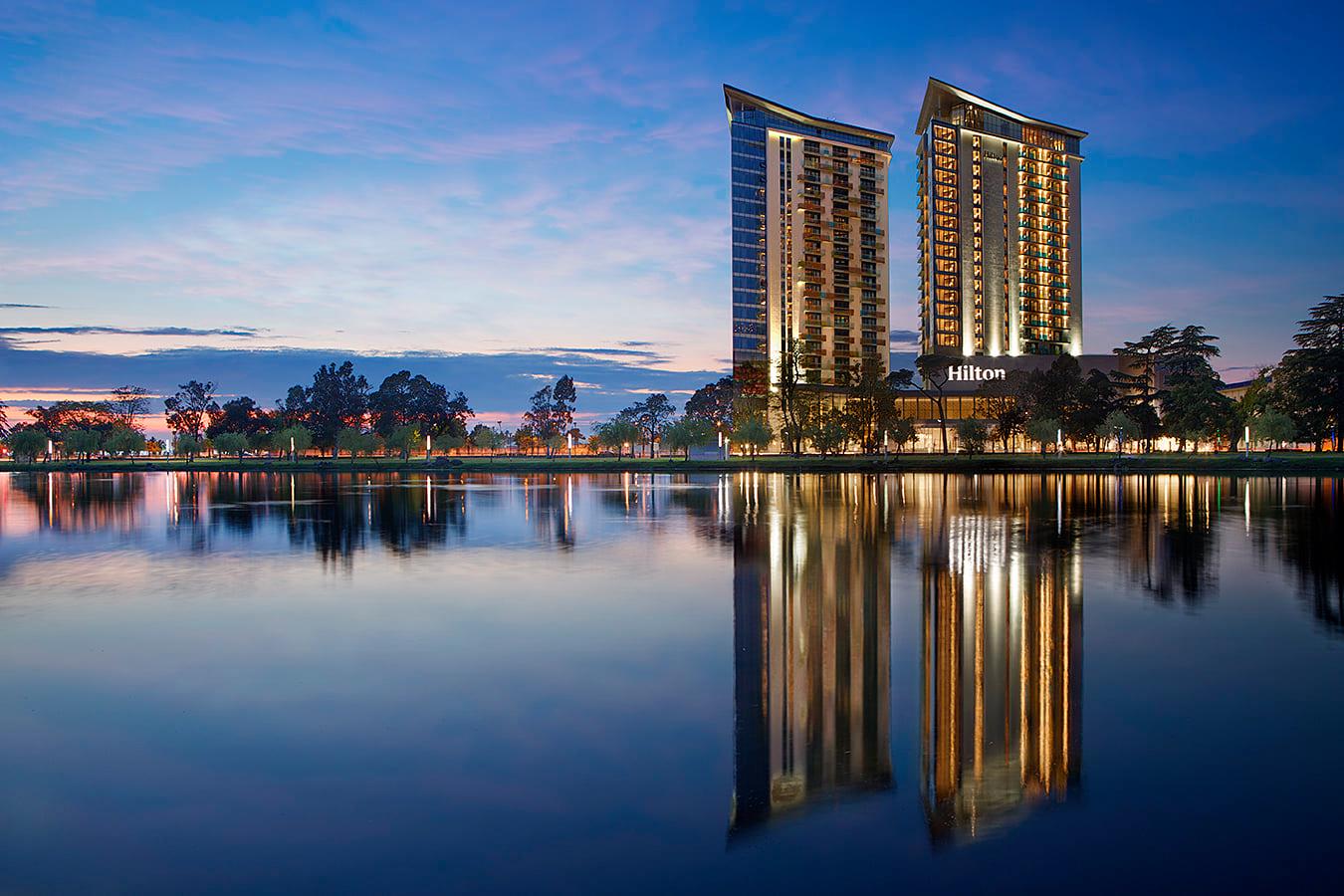
In other countries where I’ve lived, understanding and application ranged from non-existent to deeply embedded practices. Therefore, in my new home I was very pleased to learn that there was already an interest in sustainability and an appetite, so to say, to implement sustainable practices step by step. Our Team Members were receptive, and peers in the market were also interested in getting things moving.
That led to me hosting an event in early 2023 where I lobbied other in-market hotel leaders to sign a non-binding Memorandum of Understanding on Solid Waste Management; I was absolutely determined. If we could get economies of scale going, that would help any startups interested in recycling plastics or glass. It would create a platform for collective action rather than everyone working in isolation.
Did they all sign immediately, or was there resistance?
Some were more enthusiastic than others, but I got them on board. I gave them the platform and connected them with companies, including an NGO, who could help them start their own journeys. Whether they’ve all maintained momentum, I honestly don’t know. I meet them from time to time, however we have other topics to discuss. I don’t ask how they’re doing with sustainability. I gave them the platform and if they are still engaged that’s great.
How does Hilton’s global framework allow for local flexibility, especially given Georgia’s infrastructure gaps?
Hilton has 2030 Goals: our “Travel with Purpose” vision. Within our company culture we’re encouraged to be free thinking in our approach: make a difference. There are minimum deliverables, but don’t hold back. If you can do more, go for it. This is essential, especially when you’re working in a context where large-scale waste management infrastructure is limited. You need the autonomy to find creative solutions rather than just implementing a playbook for box-ticking purposes.
What role do guests and staff play in maintaining these efforts day-to-day?
With team members, the mindset was already there. We have curious, intelligent people who want to learn and develop. The greatest investment was emotional. If people don’t buy in emotionally, it doesn’t work. It has to come from within.
We spent time ensuring everyone understood what we were doing and why. People don’t like ambiguity; they want to know the purpose. Our program is called Travel with Purpose, so we explained the purpose, and it was readily and easily accepted.
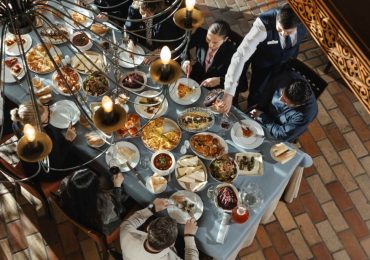
With customers, we set up an information campaign. We introduced a zero-waste breakfast section where we repurpose fruit skins into jams and unused breads into desserts. We created an enormous poster in the breakfast restaurant with a very explicit message in multiple languages: “Love food, don’t waste it.” We also placed informational images in one of our guest elevators explaining our practices step by step. Our goal is to share our love of our actions with our guests and raise their awareness of these important actions.
One of my bug bears is food-waste – people taking more than they can eat and then leaving food on their plate. When this happens, we can’t repurpose the leftovers. So, we also measure food waste daily: both the organic waste we can repurpose and the customer waste we cannot.
Many of our partners now expect see such initiatives in place. We receive notes of gratitude, emails, and personal comments from time to time. This feedback reinforces our internal messaging that we are doing a good thing.
What challenges did you face with water-saving measures?
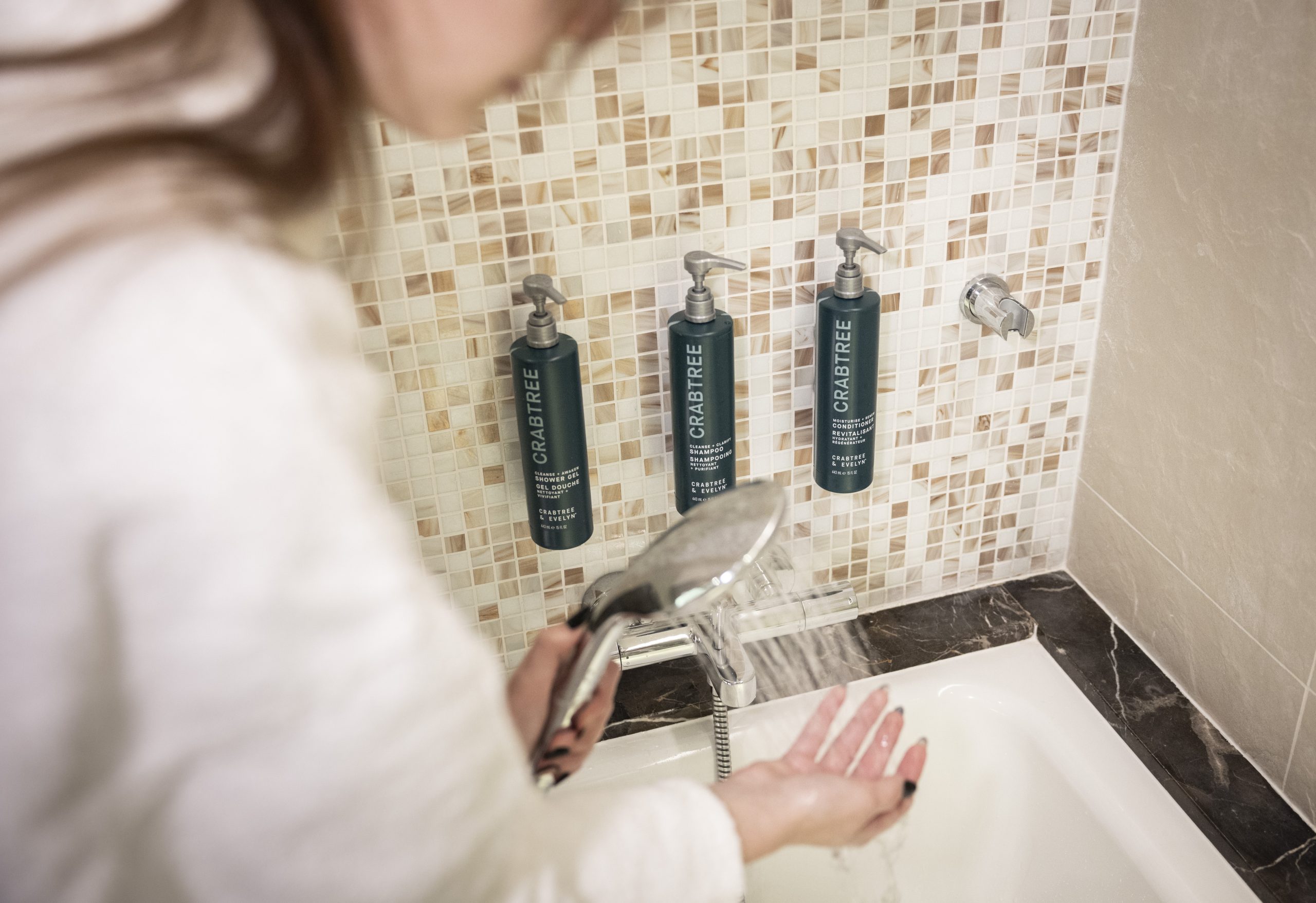
We installed eco shower heads that reduce water flow without diminishing the guest experience. It ensures there isn’t excess water going literally down the drain. On the rare occasion that guests perceive the water pressure as low we explain that we are seeking to use resources responsibly.
We created an energy-saving committee in early 2023: key stakeholders from different departments, not just heads of department. We chose one of our heads of department to lead it because she was absolutely the right personality and force of nature for the role. It made the difference!
Do you see potential for renewable energy integration in Hilton Batumi’s future?
We are exploring next steps and may run some ROIs in 2026 to see what more we can do. We’ve already reduced light usage by 50% through LED systems and temperature controls, but there’s always more potential.
The hotel prevented over 6 metric tonnes of waste from landfill this year. What made that possible?
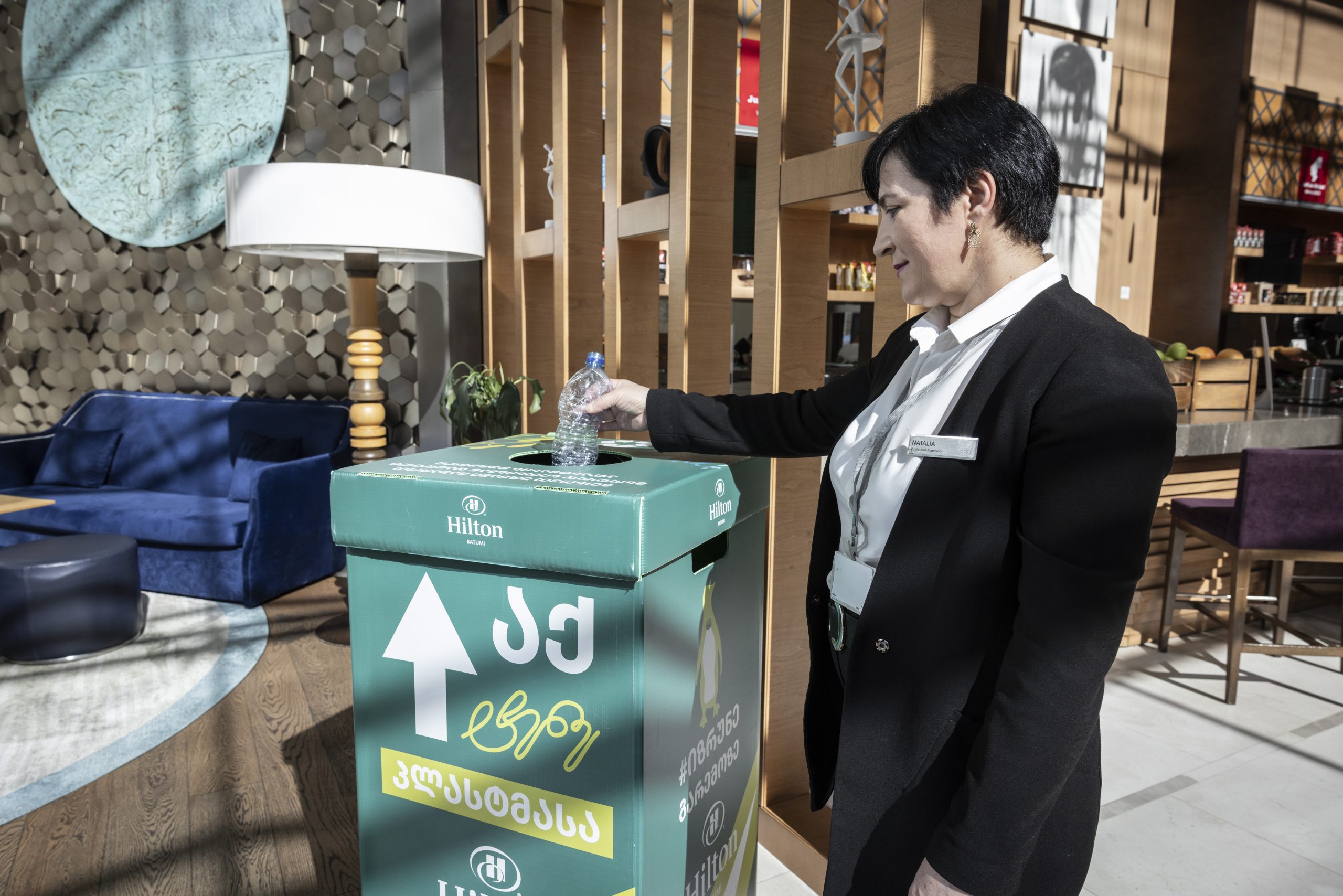
Behind the scenes, it’s daily conversations with formal monthly reporting on results and new learnings to keep the topic alive. We explored automated systems to measure waste, technical applications that could track everything digitally. But we found the best practice is manual, particularly with food. Hands and heads, rather than technology at this point in time, are the way forward for us.
Glass recycling has been our biggest success story by far. Plastics were going well until our local partner stopped covering our area. They’ve chosen to concentrate on the Tbilisi side of Georgia. So, we’re now actively searching for a new plastics recycling partner.
What achievement are you most proud of?
Raising awareness at property level. It’s a joy to see the benefits of the time invested.
Getting the other hotels to sign up was significant: initiating a movement in Batumi in 2023. I gave them contacts, created a platform for economies of scale. I hope they’re still engaged, because if they are, everybody wins.
Also, we’ve become the go-to resource for organisations working on sustainability. We speak at forums, panels, conference calls. I’m a guest speaker from time to time. I know some of the ambassadors in Tbilisi are talking about what we do because we periodically have visitors who specifically want to learn about our practices. That positions Hilton Batumi as a responsible sustainability partner. We want to be a poster child with a clear message: if we can do it, anybody can do it. That’s really our underlying message.
What drives your personal commitment to these practices?
When someone tells me something can’t be done, I grind my heels and seek to prove otherwise.
In previous markets, I saw opportunities for repurposing, reusing, recycling, repurposing, yet experienced resistance to change. In markets where practices were more or less already in place, it was a pleasure to introduce new ideas and learn what they were doing that wasn’t yet framed in my mind.
Coming to Georgia, to Batumi, and finding people happy to get on board with what we thought we could do was an absolute thrill.
How would you explain the purpose of all this to someone outside hospitality, or to a child?
It’s just the right thing to do. In business terms, it’s the responsible thing to do. But fundamentally? It’s what’s right. Then you show and tell. You lead by example. That’s another achievement: we’ve led by example. That matters more than any specific metric.
Is there anything important we haven’t covered?
Yes. The greatest investment is emotional: reframing how people think. That’s what leads to sustainable success, not the capital spends. Clarity and emotional buy-in are everything.
What’s your long-term vision for Hilton Batumi’s green journey?
Our vision aligns with Hilton’s 2030 Goals. We’ll keep exploring what more we can do, maintain daily conversations, celebrate internally, and treat this as a living commitment rather than an exercise. The work evolves as infrastructure improves, as new partners emerge, as our understanding deepens. It’s never finished, and that’s exactly how it should be.
Editor’s Note: Hilton Batumi is actively seeking a plastics recycling partner in the Adjara region. Companies or contacts who can assist are encouraged to reach out to the hotel directly.