
At Eurocredit, fintech is not a plan for the future but an ongoing process. The company laid the foundation for its digital transformation in 2018, and the pandemic accelerated it further. Today, Eurocredit’s goal is to fully digitize every product and operational process, something that has become a necessity in the modern financial world.
By Kakhi Chakvetadze
The Georgian financial sector is moving quickly from traditional, branch-based service to digital, remote and automated services. In the traditional model, the biggest barriers for customers were visiting branches, standing in line, paperwork and bureaucracy, having a car revalued, and waiting a long time for a loan to be approved. Reducing these barriers and fundamentally improving the customer experience was the main motivation behind Eurocredit’s technological transformation.
Digital transformation was not a one-time project. The company went through several important stages. In 2021, it began offering customers the option to apply for an auto loan remotely. From 2022, a systematic fintech transformation began, which meant automating internal operational processes.
The technological change brought large-scale organizational change as well. Lending processes became more centralized, and part of the routine operations was automated. For example, where an employee once had to pass information between departments, this now happens automatically.
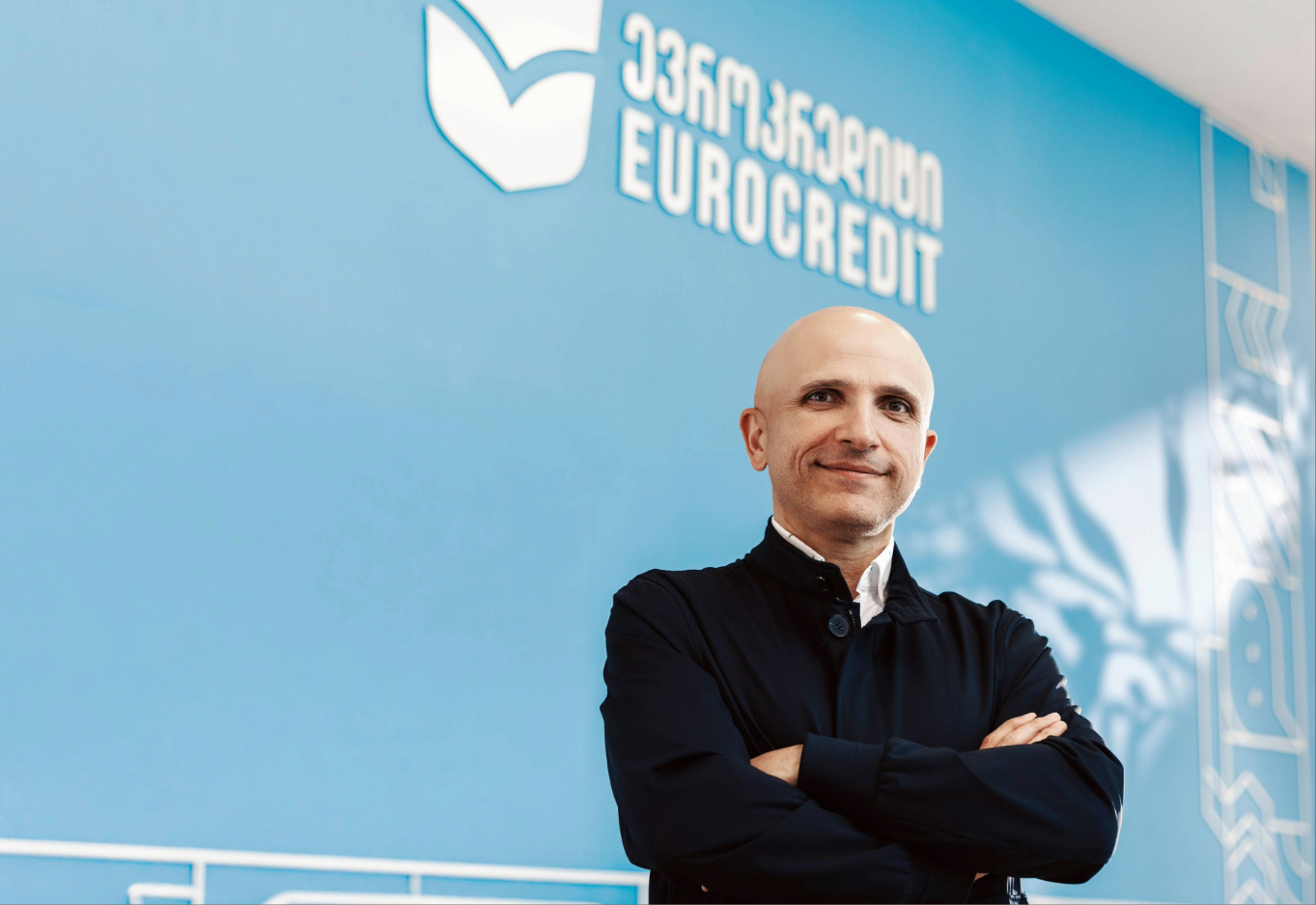
“Technology has made it possible to shift employees’ working time from routine operations to more valuable activities. It is important that the time freed up by automation is spent on more creative work that creates value,” says Mikheil Nonikashvili, Executive Director of Eurocredit.
The years 2023-2025 were a period of improving the digital infrastructure. At this stage, the changes went beyond individual products and aimed at digitizing the entire ecosystem. At the same time, work began on a fully digital refinancing product, which allows existing customers to receive a loan automatically after signing the agreement.
Another important strategic change was that services which previously relied on partner companies moved, under the new approach, to Eurocredit’s own platform, without a third party. In April 2026, the company introduced a fully digital auto loan to the market, where filling in the application, uploading the vehicle data and photos, and receiving the final decision all happen online.
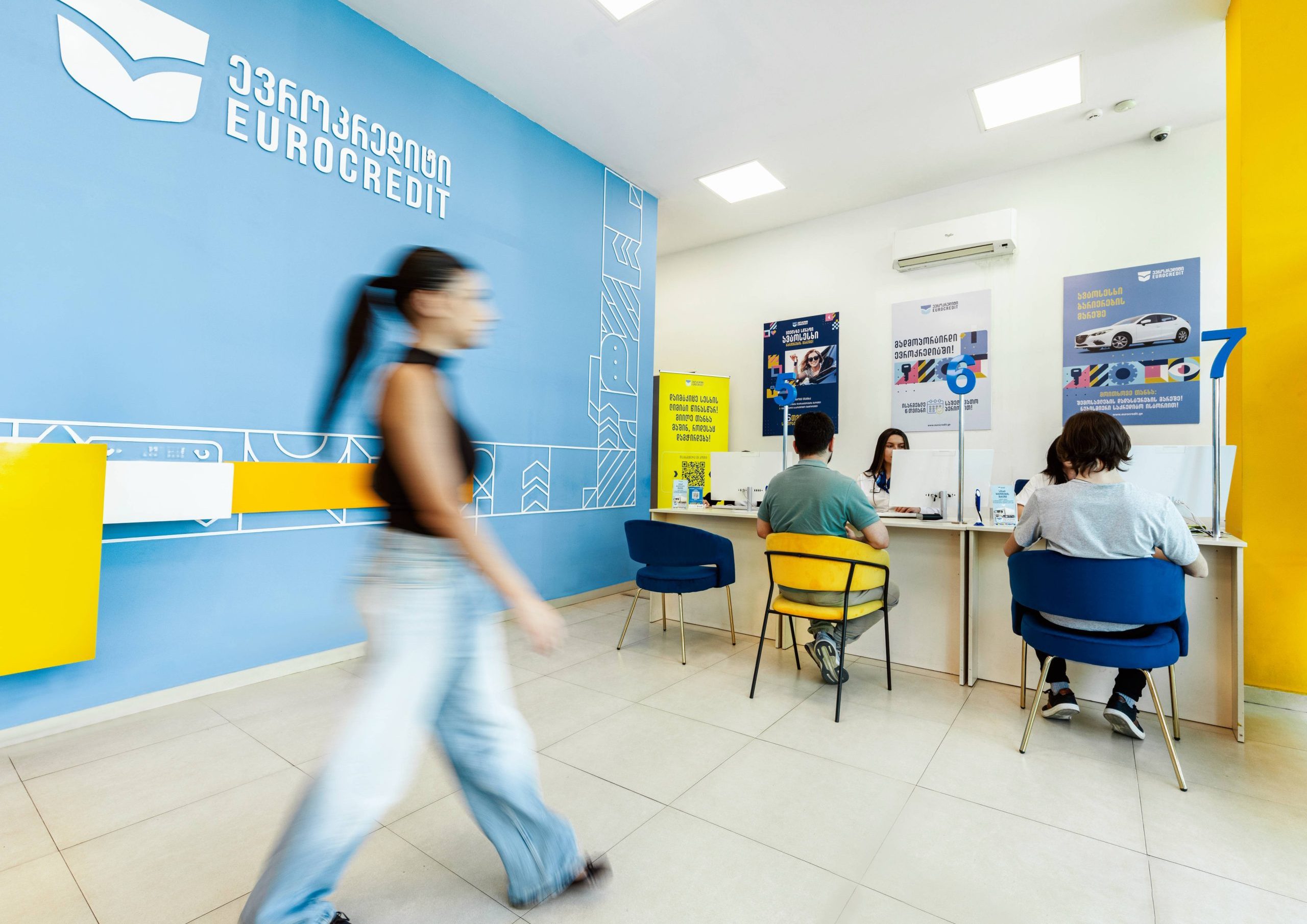
Alongside restructuring internal processes, it was also important that the market and customers were ready to accept the new model.
“Besides introducing the technology, the main challenge of digital transformation was changing the organization. The move from traditional experience to fully digital service was a challenge for customers too. We had to prove that getting a financial product fully online is not only convenient, but also safe,” says Mikheil Nonikashvili.
Recently, the company has also significantly improved its information and cybersecurity. The aims were to protect critical systems and data, continuously improve the management of cyber risks, and ensure compliance with the requirements of the National Bank.
In addition, a specialized outsourcing company carried out an information and cybersecurity audit, which assessed the company’s environment, processes and security controls. Based on the results, areas for improvement were identified and an action plan was drawn up.

Eurocredit says information and cybersecurity are integrated into its overall risk management process, and that controls and processes in this area are being improved on an ongoing basis. The company treats cybersecurity not as a one-time technical project but as a continuous risk management process that includes independent assessment, prevention, periodic testing, monitoring and timely resolution of identified issues.
These and other changes made it possible to speed up processes significantly, reduce dependence on paper, save internal resources and improve the company’s financial performance. With a system tailored to customer needs, people can now use the financial service they want from anywhere, without unnecessary bureaucracy.
“In the digitization of the Georgian financial sector, we see our role as an active participant in fintech transformation. We try to compete with the market’s big players not through scale, but through simplicity, flexibility, fast service and fewer barriers for customers,” says Mikheil Nonikashvili.
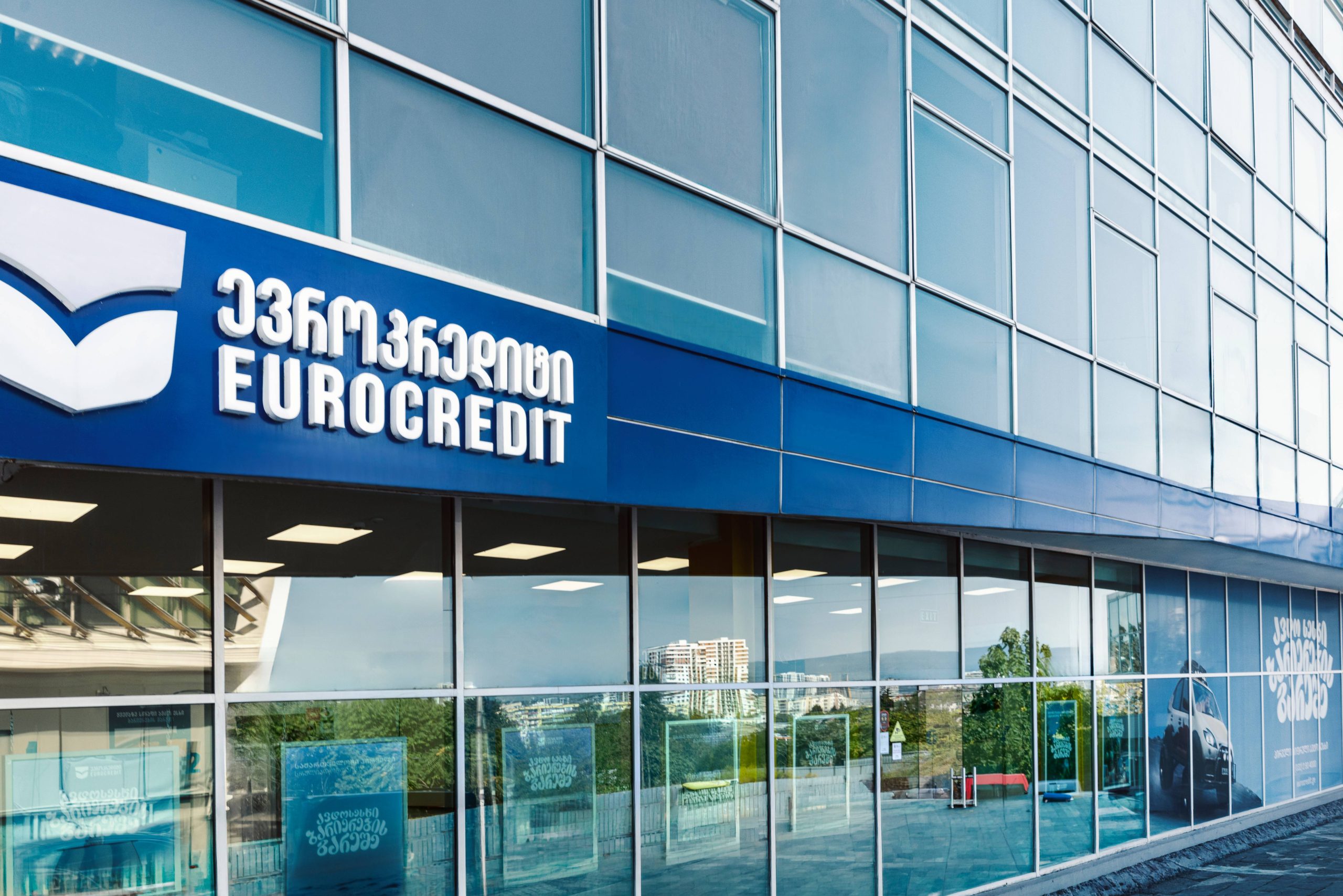
Over the next two to three years, the company’s strategic goal is to finally transform its existing microfinance network into a modern, technology-driven and customer-focused financial ecosystem. Rebranding and branch expansion increase accessibility, while digitization lowers the cost of service. Eurocredit believes fintech is no longer the direction of the future but the present reality of the financial sector, and that is why the company is moving to a new stage of development.