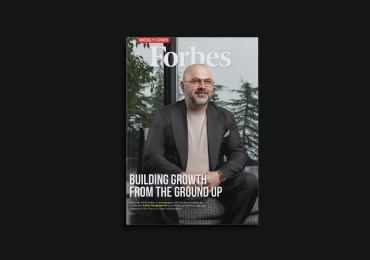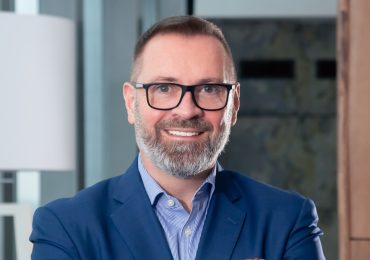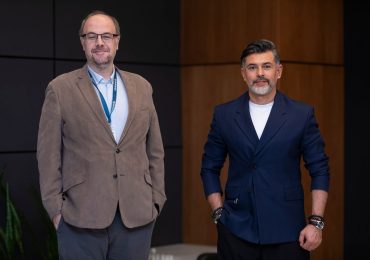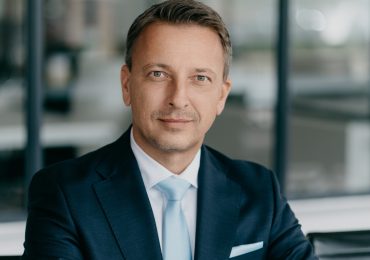
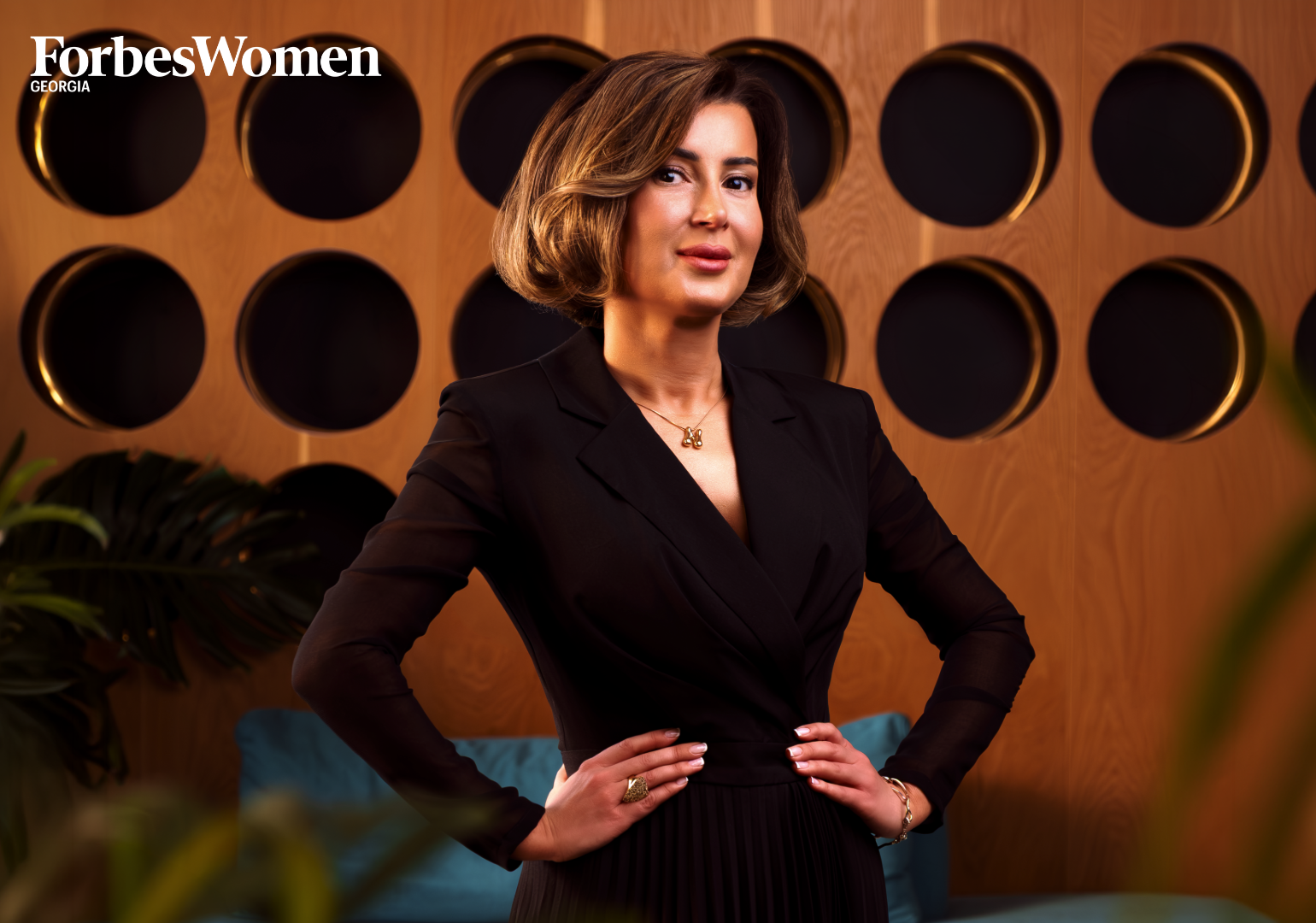
Nina Gibbons’ journey began with a bold move from Georgia to London, where she found her calling: to lead and inspire with resilience, independence, and confidence. After years of shaping her career, she returned home unexpectedly to apply her skills to Georgia’s first branded airport hotel, a project she sees as a true turning point for the country’s tourism future.
Nina, let’s go back to your early years – what shaped your career path and why did you choose the profession you’re in today?
My background spans business, creative strategy, corporate communication and execution. I’ve come to realize I’m most fulfilled when I’m creating something with lasting impact. I didn’t plan a career in hotel development; I grew into it. From managing private property renovations in the United Kingdom to Home and Interior PR at leading British company HQ – John Lewis & Partners, each experiences have been naturally directed to hotel development and project management. This isn’t just my occupation, it’s my calling. As a woman in a field still largely dominated by men, I’m proud to contribute a different voice. Development, to me, isn’t about bricks and mortar; it’s about experience, identity, and legacy. And when you’re building something this important, such as the first ever branded airport hotel for your homeland, that purpose becomes deeply personal.
When did you decide to emigrate, and why London? Looking back, was it the right decision?
Emigrating to London felt like the only logical step at the time. In 2002, after graduating from the University of Western Languages & Cultures with a degree directly rooted in English language and British culture, I was naturally drawn to the UK. I had always been fascinated by its rich heritage, and London offered the perfect stage for growth, both personally and professionally. Pursuing my MSc in International Political Communication, living independently, and gaining real-world experience in one of the most dynamic cities in the world shaped me in ways I could never have imagined. Looking back, it was one of the best decisions I’ve ever made. London didn’t just educate me, it empowered me in every aspect of life. It taught me resilience, independence, and confidence, most importantly, it inspired me as a woman to carve my own path and shape my identity.
What were the most significant lessons you learned from your experience in London? What was the most challenging part of this journey and how did you overcome it?
Living and working in London taught me more than any degree ever could; how to thrive under pressure, embrace diversity, and stay adaptable in fast-paced environments. London’s job market is very competitive. While some sectors, like finance, are international, the fields I worked in, higher education and corporate PR were mostly led by native English professionals. As a young female originally from Georgia, teaching business and media communication and later managing strategic PR for top-tier agencies, I had to work twice as hard to earn my place without losing collaboration and authenticity that define me. I overcame those challenges by leaning on my strengths: building trust and genuine rapport. These experiences shaped me into the professional I am today; ready to lead and inspire.
Did your perspective on Georgia change while you were abroad, and what made you decide to return?
While living and working in London, I often felt like an unofficial brand ambassador for Georgia; carrying my roots with pride as I navigated the fast-paced corporate world. I hadn’t planned to return, but I stayed connected, always following Georgia’s progress from afar. Whenever Georgian wine producers or the Tourism Board came to London for exhibitions, I was always happy to help; whether through Mercieca, the F&B and lifestyle PR agency I worked for, or simply by offering guidance and connections. In my own way, I hoped to make a small difference. When the opportunity came, completely unexpected from the French investor – John Dodelande to manage the country’s first ever branded airport hotel development, it felt like a calling, it was a chance to come home with purpose.
One of the reasons was likely the opportunity to work on the newly opened ibis Tbilisi Airport project. How did you get involved in this project?
As I mentioned earlier, it all happened by chance. I was in Tbilisi for a short holiday when I was asked to support a high-level meeting between French and Georgian entrepreneurs. That’s when I met John Dodelande. After the formal meeting, I learned that Fujin Silk Properties had acquired airport land through a public auction, with a government obligation to develop the first branded airport hotel within a set deadline. They were looking for someone to manage the project and act as the main point of contact between state and corporate stakeholders. I was humbled when John entrusted me with that role. A businessman of his caliber saw potential in my skills and experience and believed I was the right person to lead it. I still remember his words: “Nina, you’re not going back to London, you’re staying to help us build something important for your country.” It was a defining moment, the one I will always treasure.
What makes ibis Tbilisi Airport different from other airport hotels? What were the project highlights and challenges & how were they managed?
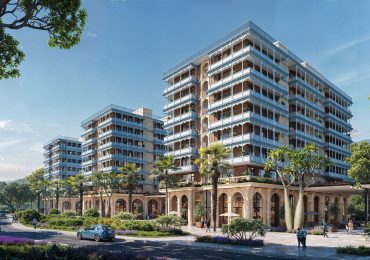
ibis Tbilisi Airport stands out for its bold style and creative spirit. It reflects John Dodelande’s passion for art and design. ACCOR even called it “the best ibis design in the region,” thanks to our interior designer – Neya Cheishvili and John’s choice to go beyond brand standards and create a space where guests can live, work, and enjoy, not just sleep before a flight. We offer premium suites with a mini museum feel, showcasing near-perfect reproductions of Niko Pirosmani’s works, commissioned through John’s art business, LITO. Guests also enjoy our 24/7 French-Georgian fusion restaurant L’Avion, a gym, yoga space, and fully equipped meeting rooms, just five minutes from the terminal. The journey was both rewarding and challenging, meeting government’s deadline, ACCOR’s strict brand rules, and managing clear communication between French and Georgian teams. Somewhere along the way, I was nicknamed “Ms Resourceful,” but the success belongs to the incredible team. With the right people, anything is possible.
What has this project given you personally, and what significance does it hold for you?
The ibis Tbilisi Airport project has truly been my baby from day one. Being part of this journey, working with international talents, such as leading French architect Clément Blanchet, Swedish hotel expert, well-renowned local Art Studio Project, and dedicated Georgian and French law firms, has been both a challenge and a joy. It brought out the best in me, pushed me to grow, and gave me lifelong friendships through exceptional internal team and excellent external partners. But above all, it gave me something deeply personal; a sense of pride and gratitude for contributing to my country’s future. And none of it would have happened without the vision and trust of John Dodelande, whose heartfelt connection to Georgia made this ambition a reality.
What role can it play on a larger scale, and what benefits can it bring to the country from a tourism and other perspectives?
Having the first branded hotel at Tbilisi International Airport is a major milestone. It supports Georgia’s aim to become a regional travel hub and ties into the vision of reviving the old Silk Road. With nearly nine million visitors a year, the hotel fills a long-missing gap in the market. We began operating in October, had our official launch in May, and quickly reached 65% average occupancy, even higher than many city hotels. That shows real demand and strong potential for growth. A global brand like ibis brings international visibility to Georgia. It supports delayed flights and transit stays, connects travelers to wine regions and ski resorts, boosts local jobs and businesses, and encourages repeat visits. This is just the first phase of a larger master plan, but its impact goes far; strengthening tourism, improving connections, and building lasting confidence in Georgia’s future.
Who do you consider your main mentor or inspiration? What example do you want to set for young women who are now striving for success?
My main mentor has been the maestro of this project — John Dodelande. His vision and sharp business sense have been truly inspiring. I’ve learned a great deal just by watching him lead. It’s a real honour to be his right hand in Georgia. Besides John Dodelande, I followed two female entrepreneurs during my time in London; Alex Polizzi, who transforms struggling hotels with confidence and Sarah Beeny, a property expert with a deep love for heritage and sustainable design. My dream is to do something similar in Georgia; lead a TV show that brings old buildings back to life, while educating and entertaining, just like the BBC. I hope to inspire young women entering the male-led world of development, girls who study and work abroad but dream of returning home, and immigrants who want to give back. Bringing your skills home is one of the most rewarding journeys you can take.
What do the new stage and new challenges look like for Nina Gibbons?
The approved master plan, which I led from start to finish, outlines a broader development of 39,000m², and with Phase 1 now complete, the next stage is already in motion. We are uniting forces with ADP, Airport de Paris, which holds 47% stake in TAV, operator of Tbilisi Airport, the next step is to develop the grand vision together behind this strategic location including the large-scale infrastructure. The master plan for the next chapter is to enhance the airport’s role as a regional hub, bring back the old glory across Silk Road Route, attracting international partners and putting Georgia back to the global radars. It’s a bold plan but I am ready to lead it.
Beyond my role at Fujin Silk Properties, I’m quietly shaping my own entrepreneurial path, one that focuses on connecting East and West. I plan to utilise my experiences and networks to offer meaningful services across the Silk Road. I’ll let the right time unfold the details. Being featured in Forbes is already an honour, and if I ever grace the cover as a founder, I hope it inspires other women to lead with purpose and believe in the power of their own journey.