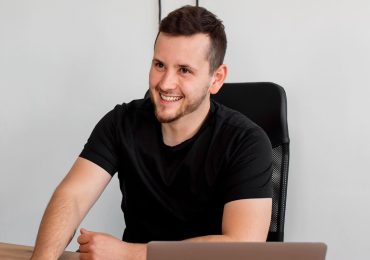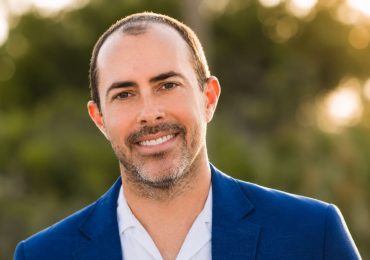

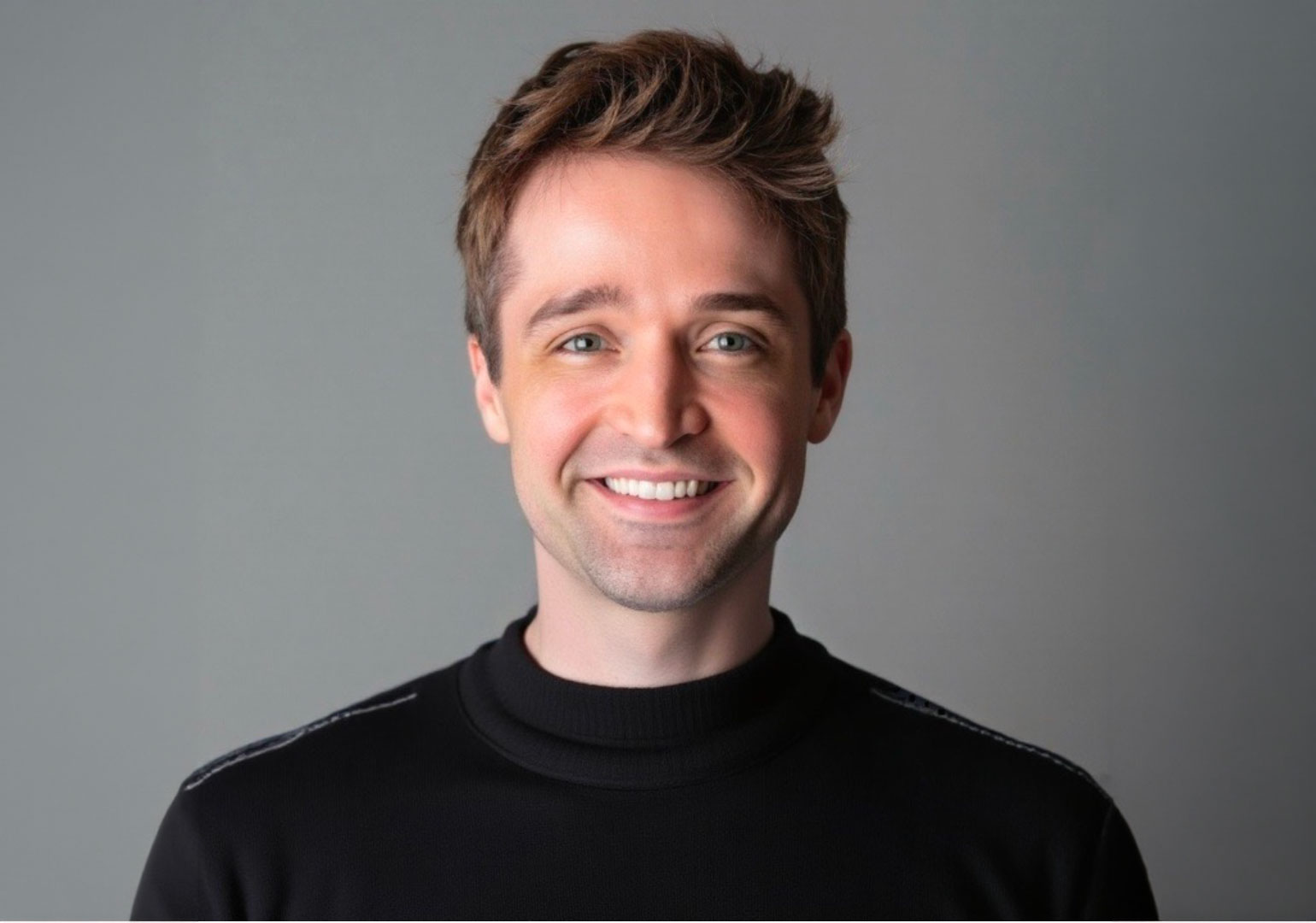
Photo Courtesy of: Better U
A Personal Crisis Becomes the Starting Point
Before Derek Du Chesne founded Better U, his relationship with mental health care was personal rather than professional. He had a career, a relationship and what appeared externally to be a stable life. When his career and relationship unraveled at roughly the same time, he said his mental health deteriorated rapidly. After visiting his regular doctor, he was prescribed an SSRI antidepressant. Within 90 days, according to Du Chesne, he attempted suicide. “I built Better U because I almost didn’t make it.”
His experience reflects a much larger public-health problem, although no individual case represents the experience of every patient. The World Health Organization estimates that approximately 322 million people worldwide experienced depression in 2023, or about 5.2% of adults. In 2021, an estimated 727,000 people died by suicide globally. Depression also varies widely in severity, cause and response to treatment, and WHO notes that effective psychological and medical treatments are available.
Du Chesne eventually underwent ketamine therapy, an experience he describes as a turning point. “Ketamine therapy snapped me out of it.” He said the treatment created enough distance from his negative thoughts that he was subsequently able to engage more productively with talk therapy, cognitive behavioral therapy, exercise, nutrition and other changes. His experience later became the foundation for the business he would build.
From Patient Experience to Better U
The idea took shape in 2020. Du Chesne said that during the early months of the COVID-19 pandemic, he watched people around him struggle with isolation, job losses, family stress and deteriorating mental health. During a dinner connected to Stanford that year, he met researchers working in depression and psychedelic science. Those conversations led to relationships with physicians, psychiatrists and therapists and, eventually, the development of Better U.
The company entered a field where unmet need remains substantial. U.S. National Institute of Mental Health data show that 21 million American adults experienced at least one major depressive episode in 2021, equivalent to 8.3% of the adult population. About 14.5 million experienced an episode involving severe impairment. Research also suggests that a significant share of patients do not respond adequately to initial antidepressant treatment, one reason treatment-resistant depression has become a major area of psychiatric research.
Better U initially focused on making clinician-supervised ketamine treatment available at home while adding preparation and post-session support. Du Chesne argues that medication alone is insufficient for many patients. “The medicine opens the door. Integration is how you walk through it.” The company later broadened the services its network of independent providers could offer, including psychotherapy, psychiatry and other health services.
A Business Operating in a Complicated Medical Category
That expansion also places Better U in an unusually sensitive regulatory area. Ketamine itself is FDA-approved as an anesthetic, not as a treatment for psychiatric disorders. Its use for depression is therefore off-label. Esketamine, a related drug sold as Spravato, has FDA approval for treatment-resistant depression in adults and is subject to strict safety controls because of risks including sedation, dissociation, respiratory depression, abuse and misuse.
Telemedicine adds another layer. Better U must operate across differing state medical rules, controlled-substance requirements and prescribing regulations. Du Chesne said the company invested in internal compliance staff, outside compliance partners and attorneys during its early development. Those requirements matter because online ketamine treatment has drawn particular regulatory scrutiny as the number of digital mental-health providers has grown.
The company is also trying to define itself more broadly than its origins might suggest. “Better U is not a psychedelic therapy company,” Du Chesne said. He describes it instead as a services platform supporting independent clinicians, with plans spanning psychiatry, psychotherapy, metabolic health and other forms of care. Better U is also exploring physical treatment locations alongside telehealth services.
Du Chesne’s story gives the company a compelling origin, but it also places Better U inside unresolved debates over evidence, access, patient safety and the commercialization of psychedelic-related medicine. His experience with ketamine helped lead him into the sector. What happens next will depend not simply on one founder’s experience, but on clinical evidence, regulatory oversight and whether emerging models of mental-health care can demonstrate durable benefits for patients.
For more information about the Better U offering, please visit the link here.