

Photo: Getty Images
Georgia lags considerably behind in terms of the adoption and use of electric vehicles (EVs), as well as the infrastructure needed to facilitate the electric mobility that global markets have rapidly begun to embrace. In countries such as Norway, China, Germany, and the Netherlands, coordinated policies, subsidies, and infrastructure investments have eased the market entry for EVs. Georgia, on the other hand, faces a complex combination of economic disparities, inadequate infrastructure, institutional fragmentation, and a general lack of awareness regarding electric transportation. These obstacles hinder progress toward national sustainability and prolong reliance on fossil fuel-based transport.
The most immediate challenge is economic. Although EVs are less expensive to operate in the long run, their high upfront cost remains a major barrier for most households in Georgia. Income levels are below the European average, especially outside major cities such as Tbilisi and Batumi, making electric vehicles inaccessible to the average consumer. According to a study by BTU AI, EVs in Georgia remain relatively expensive compared to similar gasoline-powered cars, as the market relies heavily on imports and lacks sufficient competition. As a result, the most commonly purchased electric vehicle is the used Nissan Leaf, which remains one of the few relatively affordable options. However, these vehicles often come with risks related to battery degradation, and replacement costs can outweigh potential fuel savings.
Cultural attitudes and perceptions of vehicles are also at odds with economic realities. Georgian motorists tend to prioritize reliability and ease of maintenance. Conventional internal combustion engine vehicles meet these expectations, as repair services are widely available across the country. EVs, in contrast, are often perceived as risky, as battery malfunctions can result in significant repair costs. Trust is further affected by the fact that many EVs imported into Georgia were previously damaged or exposed to flooding, raising concerns about battery health and long-term reliability.
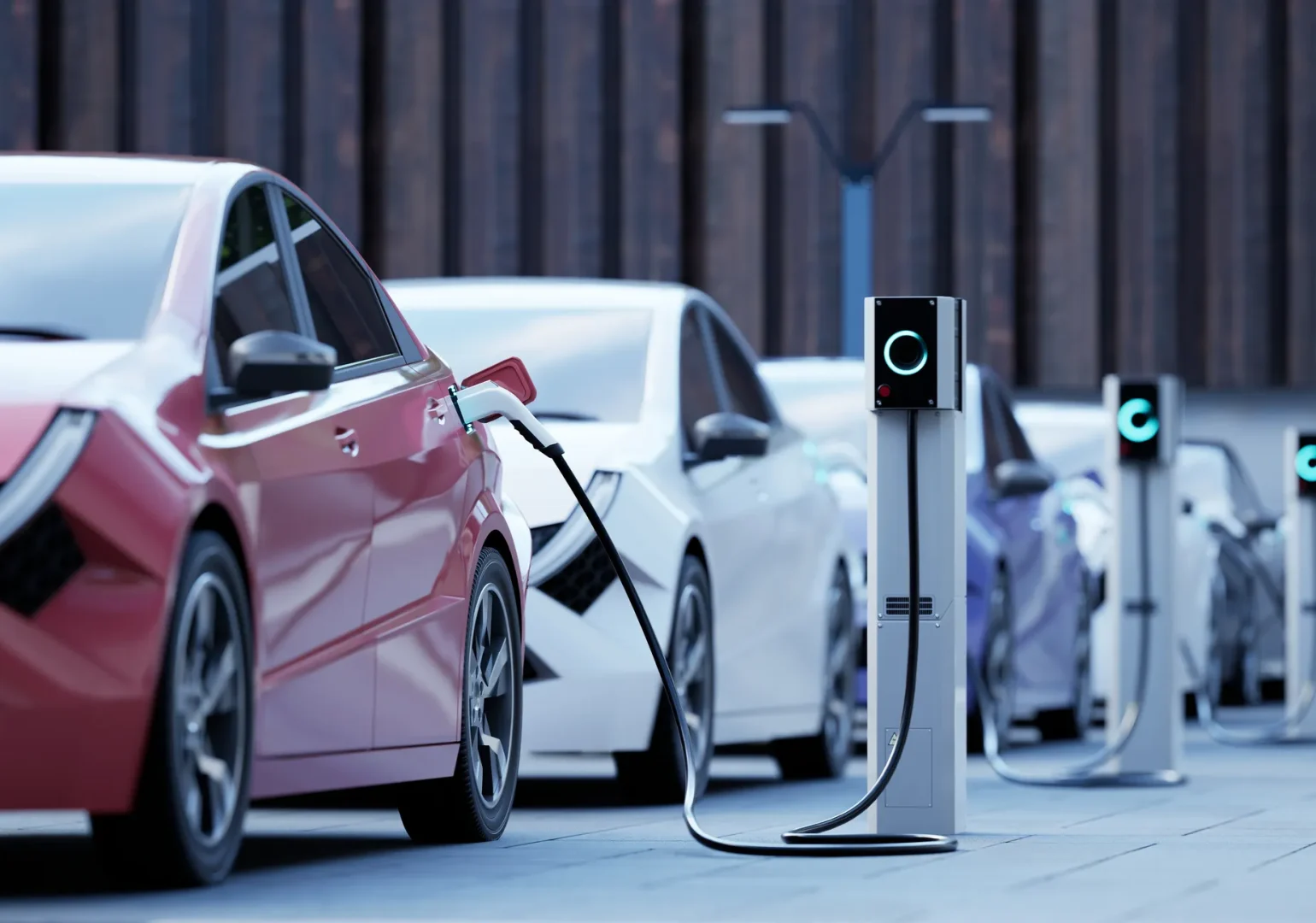
Infrastructure limitations also significantly hinder adoption. Charging stations are largely concentrated in Tbilisi, Batumi, Kutaisi, and Rustavi, leaving regions such as Kakheti, Imereti, and Samegrelo with limited coverage. Drivers traveling long distances may have to rely on a single charging point over extended routes, which leads to range anxiety. Even where stations exist, usability remains an issue due to poor design and inconsistent maintenance. Charging points are not always conveniently located, cables may be too short for certain vehicles, and faulty hardware or unstable applications can disrupt charging sessions.
Home charging presents additional challenges. Most Georgians live in apartment buildings and do not have access to dedicated parking spaces or modern electrical systems. Installing a personal charger is often not feasible due to high upgrade costs and the need for landlord approval. As a result, many drivers are forced to rely on a public charging network that remains incomplete and inefficient.
Electrification is also constrained by the broader energy system. Although hydropower accounts for a significant share of electricity generation, the grid struggles to meet demand during winter months and often depends on imported energy. Expanding domestic energy capacity is frequently delayed by bureaucratic hurdles and local opposition to new projects. Large-scale EV adoption could place additional pressure on the electricity system unless generation and grid stability are improved.
Technical expertise remains another challenge. EVs require specialized training and high-voltage equipment that is not readily available in local repair shops. The shortage of trained technicians and uncertainty regarding battery replacement costs reinforce the public perception that EVs are difficult and expensive to maintain.
Despite these challenges, electrification remains a viable option. International organizations such as the European Bank for Reconstruction and Development emphasize that consistent policy support, infrastructure investment, and public education can accelerate adoption. An incremental approach – including grid upgrades, charging networks along key transport routes, and the electrification of municipal fleets such as buses and taxis – could build public confidence before mass individual adoption occurs.
Georgia has reached a crossroads. As the global shift toward sustainable transportation gains momentum and neighboring countries expand their EV markets, Georgia’s successful transition will depend on how effectively it addresses economic inequality, develops its infrastructure, and implements a coordinated national strategy for electrification.

A student at the European School in Tbilisi.