
Founded in 2002, Tsiskvili Group is today the largest Georgian restaurant chain, uniting Georgian cuisine, cultural show programs, and contemporary urban spaces under a single brand – while maintaining identity and quality, and turning tradition into a competitive edge.
Author: Kakhi Chakvetadze
The Tsiskvili ecosystem, which has been developing for 24 years, spans diverse concepts and service formats, employs hundreds of people, hosts thousands of guests daily, sells millions of products, and generates over 50 million GEL in annual revenue. Local sourcing, internal talent development, and continuous innovation are the primary drivers of its growth, enabling the brand to offer tailored experiences for different audiences.
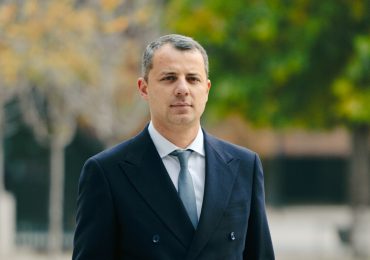
For the company’s CEO, Giorgi Shvelidze, it is particularly important that growth is not just about numbers. The main focus is on quality, experience, and the values that define Tsiskvili Group.
“Tsiskvili’s scale is measured not only in numbers, but in the impact we have on Georgian hospitality. Global practice shows that most restaurants follow a certain development cycle, and over time the temptation arises to grow profit at the expense of quality. We chose a radically different path, making consistency of quality and continuous reinvestment our formula for success,” he says.
Steady investment in both existing infrastructure and new directions keeps Tsiskvili growing. Implementing international standards goes beyond the visible elements of the kitchen and service floor, It is a full system, one that includes a well-run back office, accurate accounting, financial analysis, and the ability to make strategic decisions in a timely manner. Getting the internal operations right is what lets the brand stay ahead and keep delivering quality to its guests.
The biggest and riskiest investment in recent years was Tsiskvili Theatre, a project worth roughly 10 million GEL that introduced a completely new format, not just in Georgia but across the region.

The project’s scale is defined by its internal infrastructure and operational complexity. Tsiskvili Theatre has its own creative and technical team and a cast of nearly 50 actors. A brand chef and kitchen team prepare a specially designed thematic menu, appetizers, mains, and desserts, for up to 300 guests per show. The service side is just as important: around 60 waiters work in sync with the performance, providing individual attention throughout.
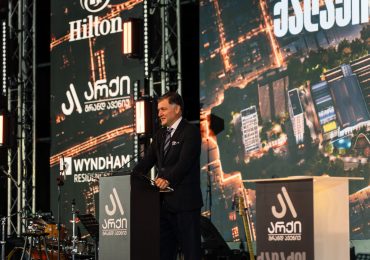
“Tsiskvili Theatre is not only a hospitality venue but a cultural platform where show, gastronomy, and service unite into a single experience. A format of this scale and complexity is rarely found even in leading European countries. This project defined an entirely new direction for Tsiskvili Group’s development,” says Giorgi Shvelidze.
The final stages of Tsiskvili Theatre’s construction coincided with the onset of the pandemic, which significantly altered the opening strategy and temporarily delayed the launch. Nevertheless, despite the uncertainty and high financial risk, the company’s ultimate goal remained unchanged – the project had to be realized in its complete form.
While finishing the project, the company also set an example for the wider HORECA sector during the pandemic. It kept almost its entire team on, and continued paying salaries even while the restaurants were physically closed. This required taking on additional financial obligations, but there was no debate inside the company, keeping the team together was a matter of principle.
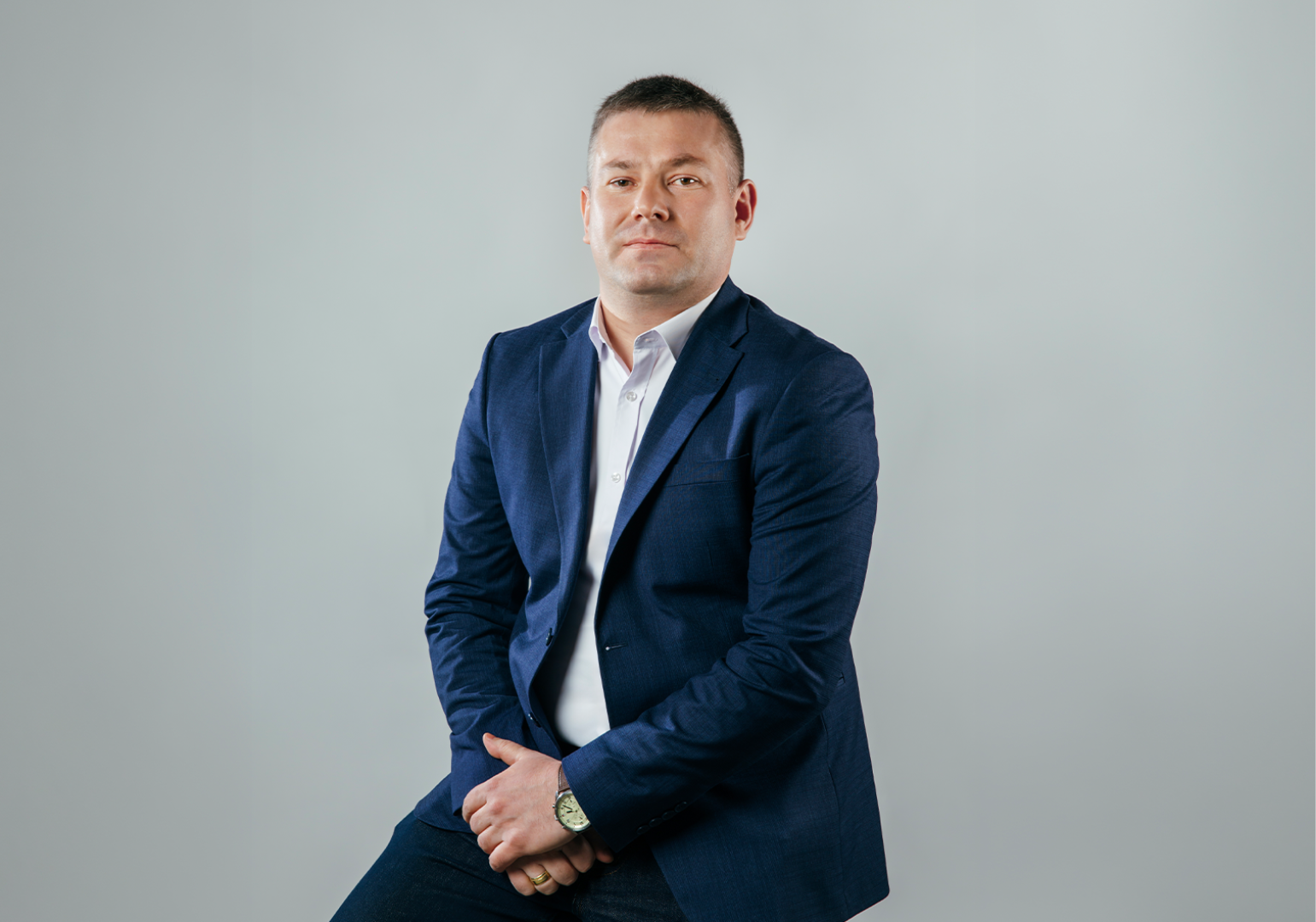
In an environment of staff shortages, employee retention remains essential for the brand and is achieved through an internal development model. The company currently employs around 800 people, including approximately 250 cooks and 150 service staff. Hundreds of employees learned their profession here, starting from entry-level positions and advancing to managerial roles. Nearly 100 employees have been with the company for 5, 10, and over 20 years, something the team takes particular pride in, attributing loyalty to internal development opportunities, workplace culture, environment, and relationships.
As Giorgi puts it, Tsiskvili tries to pass on to each employee the inner spirit that defines Georgian hospitality: the way you treat a guest, the attention to detail, and emotional engagement. The brand’s accumulated experience and reputation also help bring in new people who want to be part of it.
“People don’t stay at Tsiskvili just for a job. They stay because they see a path forward and feel proud to be part of this story,” says Giorgi.
Beyond its people, quality is kept consistent through strong systems. The company’s core team has worked together for years, and holding to high standards has become part of how they work every day. At the same time, internal standards, operational processes, and the way the company invests in its people are all regularly updated. A close eye is kept on international trends and new ideas, because staying competitive in hospitality means never standing still.
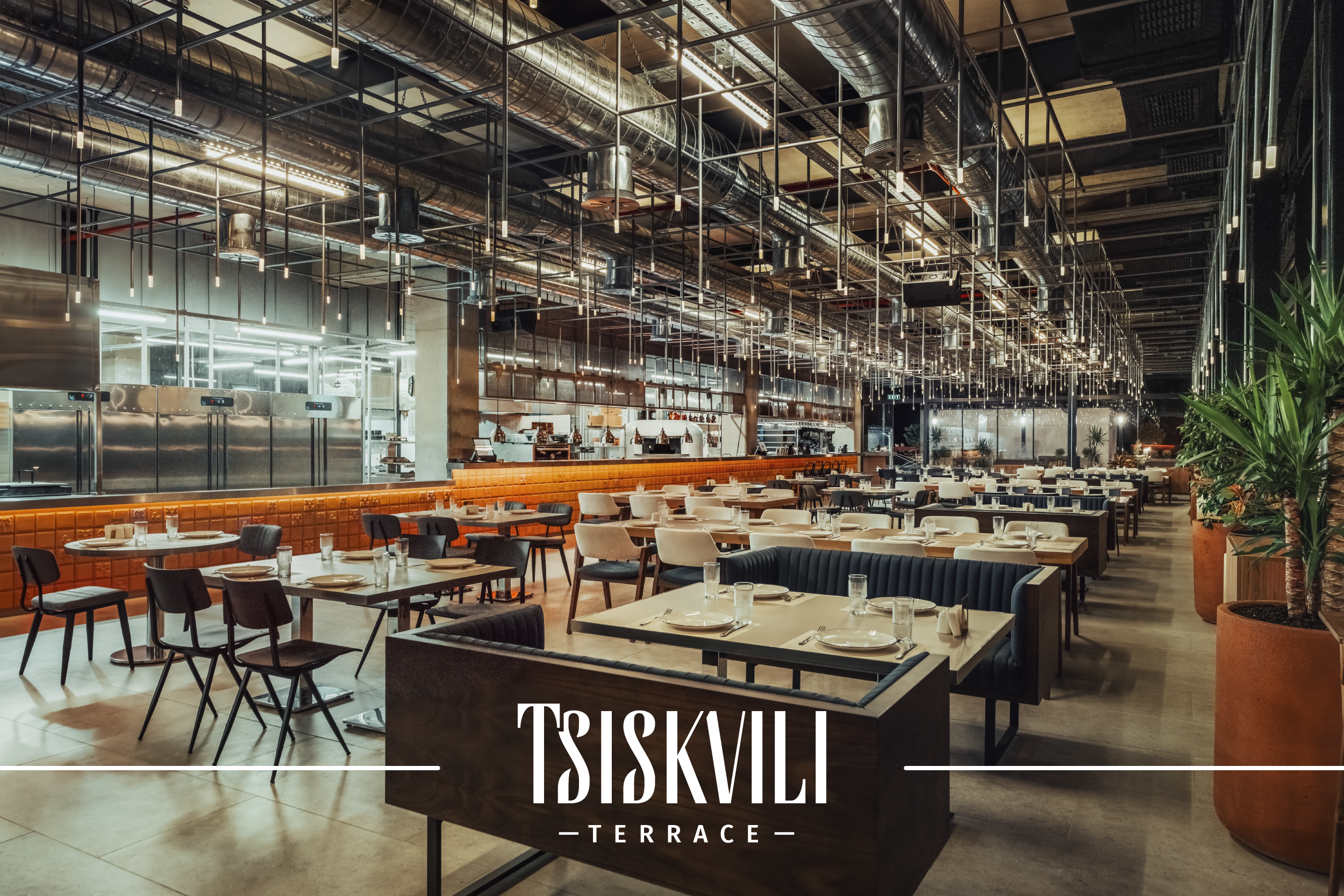
The most visible element for guests is always the front line of service, yet the brand’s stability rests on the complex and less visible processes taking place in the operational back office.
“Every step in this chain matters: from buying the product, checking its quality, storing it properly, keeping accurate records and distributing it wisely, all the way to welcoming the guest at the table. In the end, it is the smooth running of this whole system, and the coordinated work of the kitchen and service teams, that shapes both the guest’s experience and Tsiskvili’s consistent quality,” explains Giorgi.
At Tsiskvili, using local products is not a marketing angle – it is how the business is run. The core ingredients that define Georgian food, meat, cheese, dairy or vegetables, are all Georgian. Meat comes from local farms and arrives fresh, never frozen. The company runs its own pig farm, grinds its own cornmeal for mchadi, and has its own dairy and cheese operation. Imports only come into play when a specific product is out of season.
The numbers behind the brand reflect both the trust it has earned and the scale it operates at. Each year, the company sells around 2.5 million khinkali, 200,000 mtsvadi, 140,000 khachapuri, and up to 85,000 liters of Georgian wine. The menu itself is shaped by what people actually order.
“But quantity alone is not what matters to us. Over the years, Tsiskvili has become a place people connect with their most important moments, a birthday, a wedding, a family gathering, or showing a foreign guest what Georgian culture is all about. That long-standing, consistent choice is one of the brand’s most valuable assets,” says Giorgi.
When visitors come to Georgia, it is often Georgians themselves who bring them to Tsiskvili, something the company sees as one of the clearest signs of trust. Locally, the brand is seen as the place where a foreign guest can truly experience Georgian culture.
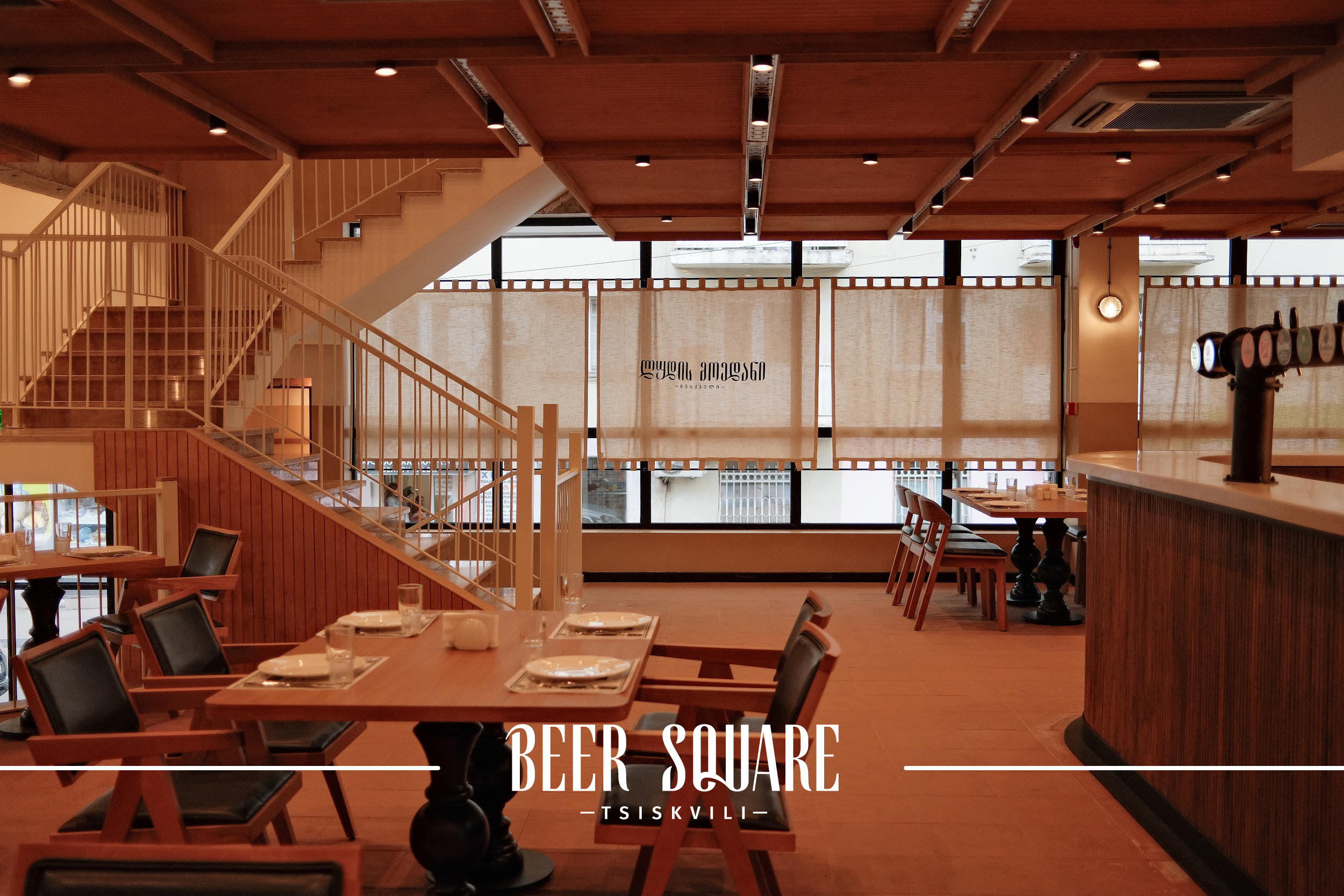
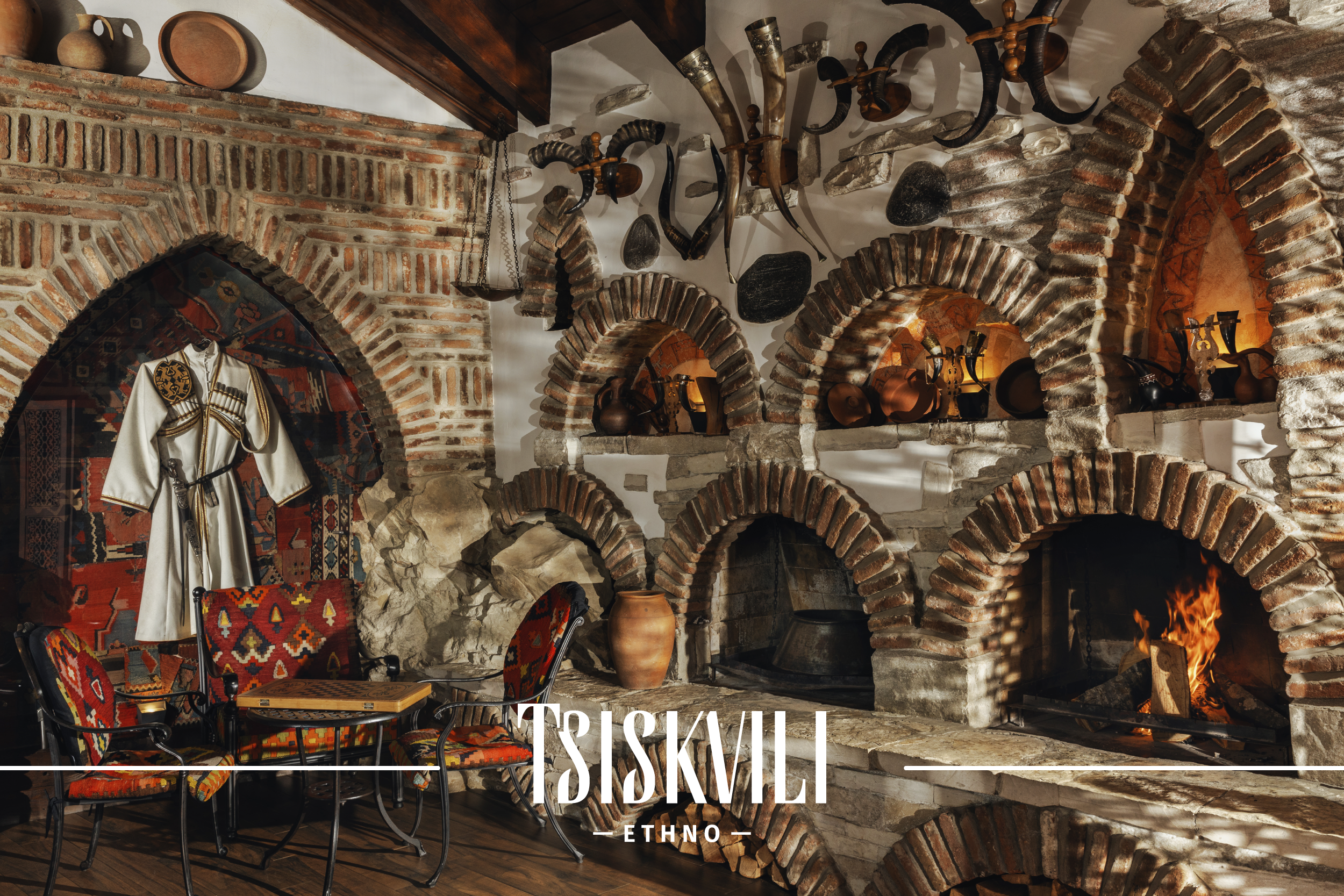
Alongside preserving traditions, the brand also makes room for original dishes and modern takes on Georgian classics. Different spaces, from Ethno Tsiskvili to Wine Yard, let guests explore Georgian cuisine, dance, folklore, hospitality, and architecture all at once.
At the same time, new projects continue to emerge, such as Tsiskvili Theatre, Beer Square, and Tsiskvili Terrace. For the company, diversification and new ventures are not merely a risk-distribution mechanism, but a natural path of development, driven by how rich and varied Georgian hospitality actually is.
Even as new and modern restaurant concepts continue to appear in Georgia, Tsiskvili holds its ground and turns its identity into an advantage. The brand’s goal is to develop traditional Georgian experience and modern formats side by side. And every different space it creates serves the same underlying idea – showing Georgian culture and hospitality from a new angle.