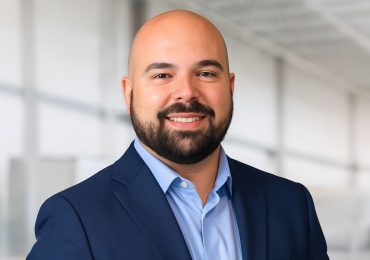

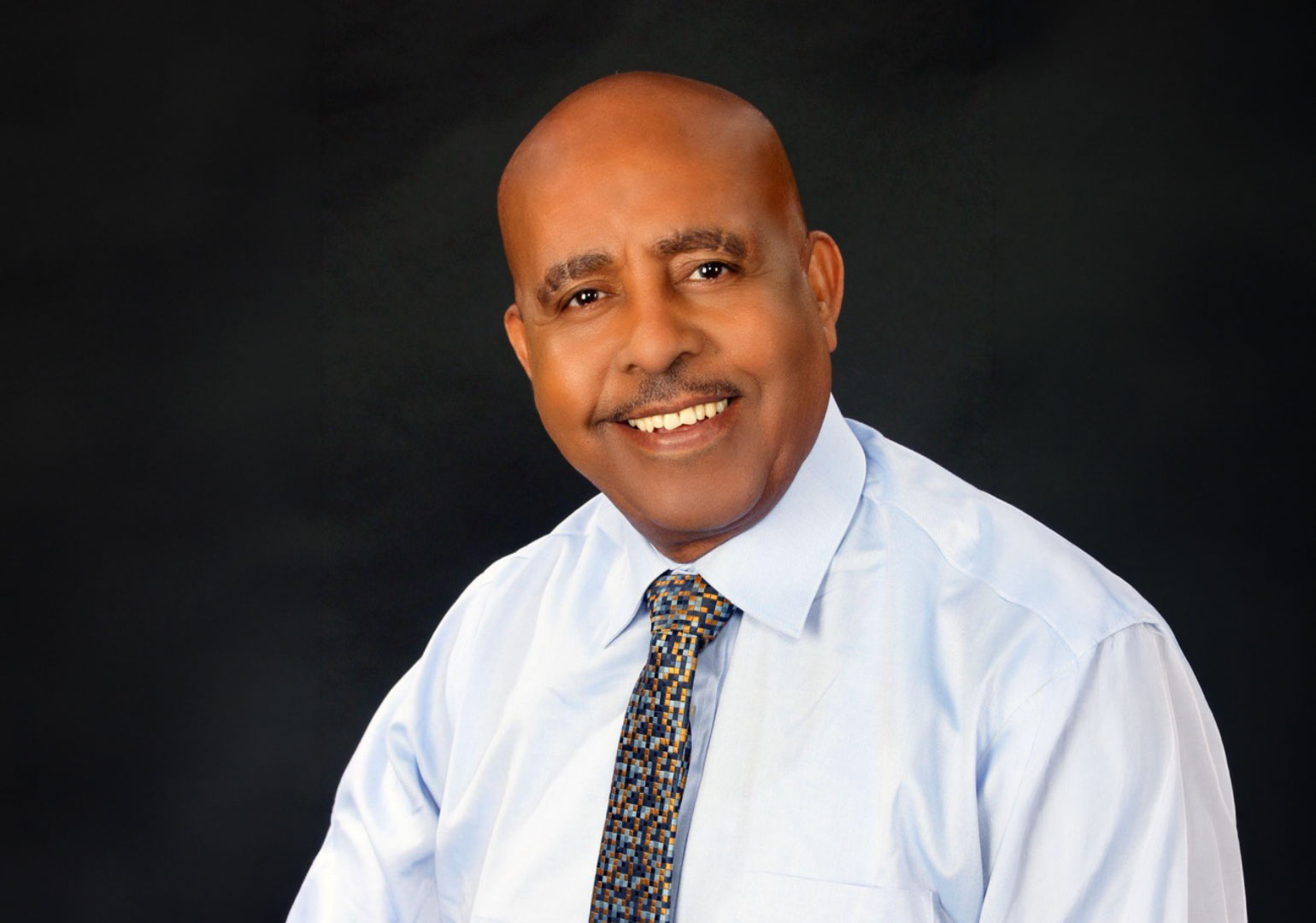
Photo Courtesy of: Dr. Moses Haregewoyn
There is a particular kind of frustration that accumulates over decades of watching the same problem repeat itself. A policy is designed, announced, and celebrated. Administrators scramble to implement it. And then, at the point where a real person — a mother in Akron, a retired labourer in rural Florida — tries to use it, the system quietly fails them. Not dramatically. Not in a way that makes the news. The coverage lapses. The form gets lost. The phone goes unanswered.
Dr. Moses Haregewoyn has spent more than thirty years standing at that gap.
As President of Automated Health Systems (AHS), a Pittsburgh-based health service management company that has administered public health programs for many decades, he has built a career not in designing health policy but in the harder, less celebrated work of making it function. The distinction matters more than most health policy discussions acknowledge.
Where Policy Ends and Administration Begins
The gap between what a public health program promises and what a beneficiary actually receives is not primarily a political problem. It is an administrative one. Eligibility determinations take too long. Outreach materials speak past the communities they are meant to reach. Enrolment systems malfunction at precisely the moments of highest demand. These are not failures of ambition. They are failures of operational execution.
Haregewoyn’s entry into this work came in 1993, when he began as a health benefit educator in Georgia, working with Maximus — Foundation Health Federal Services. He learned early that the relationship between a health program and its intended beneficiary is mediated entirely by the quality of administration between them. Move to New Jersey, then New York, then Ohio, and the lesson repeated.
Over the following decades, AHS built a presence across a multitude of States within the US with more than 4000 professional employees ensuring the success of the company’s vision. Each contract represented the same fundamental challenge: take a program designed by legislators and policy experts, and ensure that the people it was designed for could actually use it.
The Credentials Behind the Conviction
What distinguishes Dr. Haregewoyn from administrators who simply manage upward is the intellectual framework he has brought to the work. His academic credentials — a PhD in Organisational Behaviour, an MBA, a Master’s in Sociology, and a Master’s in Public Health — are not decorative. They represent a sustained effort to understand the systems he operates within, not merely to navigate them.
He has taught graduate-level courses in Statistics, Economics of Education, and Leadership as an adjunct professor at Ashland University and Ohio State University. He published research on political refugees in the United States with Lambert Academic Publishing in 2010, a work that went on to be used as a textbook in social sciences courses at several American universities. His 2023 book, Leadership: An Incumbent of Faith, extends that intellectual engagement into the territory of institutional responsibility.
This is not the profile of someone who stumbled into public health administration and stayed because the contracts were reliable. It is the profile of someone who chose the work deliberately, studied it rigorously, and kept asking harder questions about why systems that should serve people so often do not. He is currently the President of Automated Health Systems. Dr. Haregewoyn leads AHS as it endeavors to collaborate with various state and federal agencies throughout the country in providing sophisticated technological healthcare systems of support for its many consumer populations.
What Thirty Years Teaches
Florida’s former Secretary of Health Care Administration, Elizabeth Dudek, once described AHS as having executed one of the largest Medicaid Managed Care program implementations in the state on time, while staying responsive to evolving member and program needs. That kind of institutional endorsement reflects something specific: the capacity to operate at scale, under government accountability, without losing sight of the individual on the other end of the system.
Dr. Haregewoyn has spent his career cultivating exactly that capacity — and arguing, in the way that practitioners argue, through results rather than proclamations, that it is the quality most consistently undervalued in global health governance conversations. The gap he identified thirty years ago in a Georgia benefits office has not closed. It has simply grown larger, and the stakes have grown higher.
The question worth asking now is not whether his experience is relevant. It is whether the institutions shaping global public health are paying attention to the people who have actually done this work.