
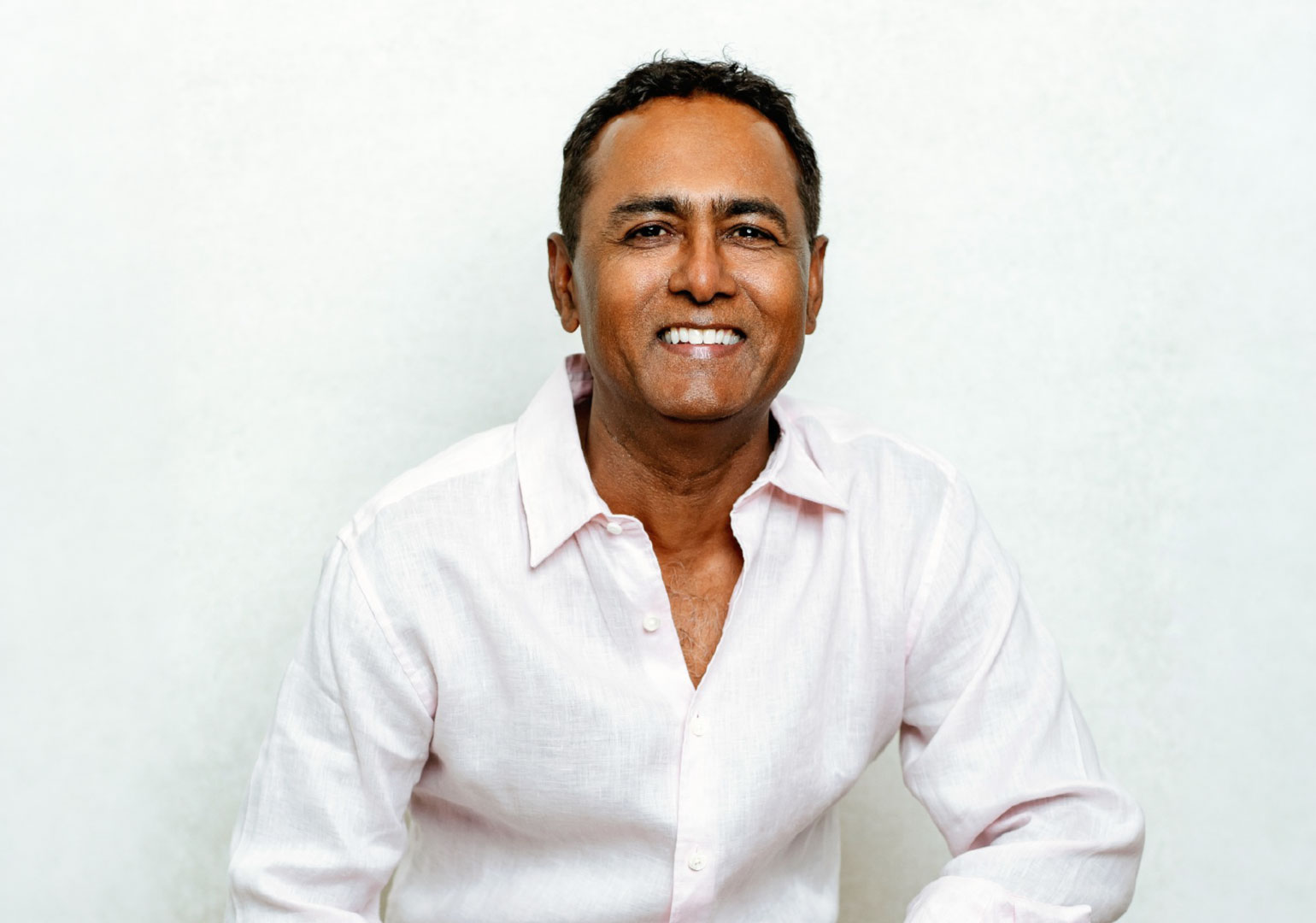
Photo Courtesy of Manish Singh
Biotech entrepreneur, investor, and scientist Manish Singh believes one of the most important opportunities in cancer treatment is hiding in plain sight. After more than three decades spent developing cancer immunotherapies and building biotechnology companies, he has become increasingly focused on a question that continues to challenge the industry: why do some patients experience remarkable responses to immunotherapy while others derive little benefit from the very same treatment?
For Singh, the answer may lie not in the next breakthrough drug, but in what happens before treatment begins.
His focus is immune preconditioning—the deliberate optimization of a patient’s immune system prior to therapy. Singh believes that understanding and improving the immune environment before treatment may become one of the most important frontiers in oncology over the next decade.
“Immunotherapy has transformed cancer treatment, but the variability in patient outcomes remains one of the field’s biggest challenges,” says Singh. “The question is no longer whether these therapies work. The question is why they work exceptionally well in some patients and not others.”
That question has followed Singh throughout much of his career.
As CEO of Lion Biotechnologies, he helped advance one of the earliest tumor-infiltrating lymphocyte (TIL) therapy programs, a platform that ultimately evolved into Iovance Biotherapeutics and led to the FDA approval of Amtagvi, the first cell therapy approved for a solid tumor. Earlier in his career, he led ImmunoCellular Therapeutics, a company focused on dendritic-cell-based cancer immunotherapy, and spent years evaluating emerging technologies across biotechnology, venture capital, and public markets.
Across these experiences, Singh observed a recurring pattern. Many cancer therapies—including cancer vaccines, gene therapies, checkpoint inhibitors, CAR-T cells, and TIL therapies—have produced dramatic responses in subsets of patients while failing to achieve similar results in others. While much of the industry’s focus has been on improving the therapies themselves, Singh believes the immune environment of the patient may be an equally important part of the equation.
“The immune system is not a passive recipient of therapy,” he explains. “It is an active participant. A highly effective drug may underperform not because the drug is wrong, but because the immune environment it enters cannot support its intended action.”
This perspective has led Singh to focus on immune preconditioning as a complementary strategy to existing therapies. Rather than developing entirely new treatments to overcome unfavorable immune conditions, the goal is to optimize the patient’s immune state so currently approved therapies can perform closer to their full potential.
The concept spans several areas of research, including improving dendritic-cell function, enhancing antigen presentation, reshaping the microbiome, reducing immune suppression within the tumor microenvironment, and increasing the presence of tumor-reactive immune cells. While these approaches remain at varying stages of development, Singh believes they point toward a broader shift in how cancer treatment may eventually be approached.
The idea may become particularly important as oncology moves toward increasingly complex combination regimens. Today’s cancer patients are often treated with multiple therapies administered sequentially or in combination, creating interactions that are difficult to predict and optimize. Immune readiness, Singh argues, may provide a framework for improving the effectiveness of these combinations by creating a more favorable biological starting point.
Singh is careful not to overstate the maturity of the field. Significant challenges remain, including the development of reliable biomarkers to measure baseline immune fitness, standardized preconditioning protocols, and clinical trial designs capable of isolating the impact of immune optimization strategies. Many of these tools do not yet exist.
Nevertheless, he believes the direction is clear.
“We have extraordinary therapeutic tools today,” Singh says. “The next challenge is learning how to prepare the patient so those tools can achieve their full potential.”
That conviction now guides much of his investment and advisory activity. Rather than focusing exclusively on the next generation of cancer therapies, Singh is increasingly interested in companies seeking to improve the biological conditions that determine whether those therapies succeed.
Whether immune preconditioning ultimately becomes a defining theme of the next era of immunotherapy remains to be seen. Yet for Singh, the concept addresses one of the most consequential unanswered questions in oncology: how to make existing therapies work for more patients.
As cancer treatment continues to evolve, he believes the next major advance may not come from a new drug alone, but from a deeper understanding of the immune system that receives it.