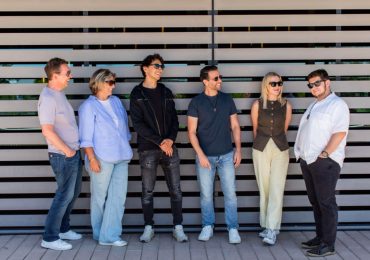

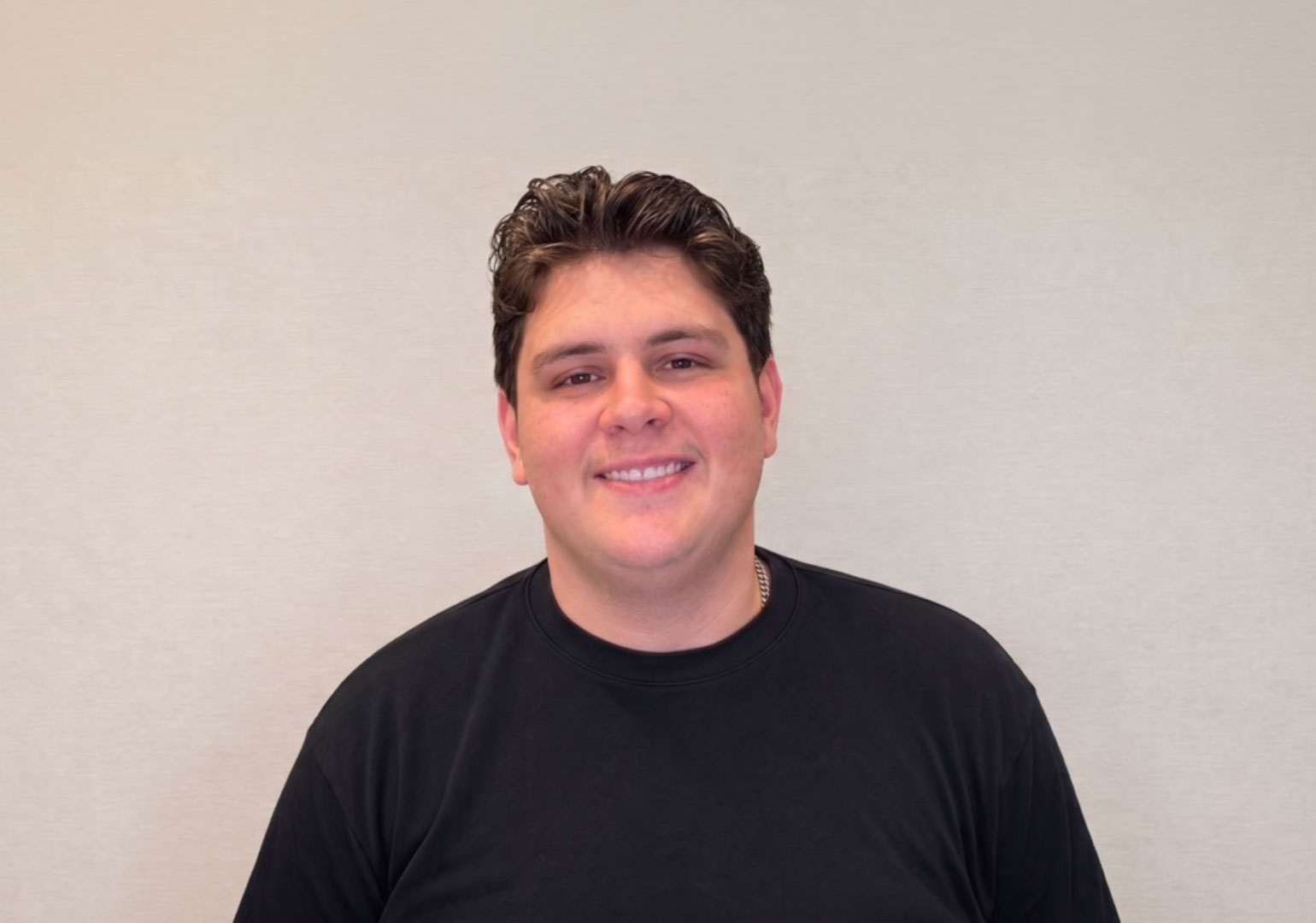
Photo Courtesy by Denniz Ozden
Every founder who joins the Unrealfund accelerator will now start with €3,000 in credits for Lunar.io, the business-data company founded by Swedish entrepreneur Denniz Ozden, according to the two companies. The credits are meant for the early months of a new business, when a founder is still working out who might buy, who might invest and who is worth hiring.
The arrangement borrows from a model that large technology companies have used for years. Amazon Web Services grants startups up to $100,000 in cloud credits through its Activate programme, and Google’s startup cloud programme goes as high as $350,000 for AI-first companies. Those programmes lower a startup’s early costs, and they place the provider’s product at the centre of a company while it is still small. Ozden is applying the same logic to a different category. His credits go toward business data rather than servers and storage.
At €3,000 a founder, the sums are modest by cloud standards. For a company with no revenue yet, they cover costs a founder would otherwise pay out of pocket or skip altogether.
From Agency Tool to Data Platform
Ozden has built his career around the problem Lunar.io now addresses: finding the right person at the right company and getting a meeting. Lunar.io is the new name for A-Leads, the lead-data platform he launched after founding the outbound sales agency A-Sales in 2023. He has said the platform grew out of the agency’s work, built because the team needed better tools than the ones it had. Under the new name, Ozden is pitching something broader than a lead database. He describes Lunar.io as the future of data, built for both humans and AI agents.
He frames the partnership as a stage he reached after building companies of his own.
“I’ve been fortunate to build several profitable companies while still being relatively young, and I think there comes a point where you also want to help other entrepreneurs move faster,” Ozden said.
Knowing Who to Talk To
Ozden’s case for Lunar.io rests on a simple observation about how companies grow. Behind most early milestones is a specific person: the customer who places the first large order, the first hire who changes the team, the investor who writes the first cheque, the partner who opens a new market. Founders who have spent decades in an industry usually know who those people are. First-time founders usually do not.
Lunar.io, which Ozden describes as a way for companies to identify the customers, partners, employees and investors most relevant to them, is his attempt to close that gap with data instead of years of networking.
The idea fits the way Unrealfund runs its accelerator. Its accelerator builds alongside participants over three years, from company setup and a first software product through to lead generation and first sales, with live build sessions, one-to-one operator time and in-person sessions in Copenhagen. Participants already receive more than €10,000 in credits from Able and Postbuddy. Lunar.io’s credits add a layer aimed squarely at the sales problem.
Mads Andreas Olesen, CEO and co-founder of Unrealfund, puts the reasoning in two sentences: “The business is not the idea. The business is the execution.” For a founder in the first year, much of that execution is outreach, which means deciding whom to contact, in what order and with what offer.
Giving Back Before the Exit
In technology, founders more often support the next generation after they have sold a company, as angel investors, mentors or fund partners. Ozden is doing it while he is still building, and he is giving product rather than capital.
The arithmetic is easy to follow. At €3,000 a founder, 100 founders would mean €300,000 in credits, and 1,000 founders would mean €3 million. Unrealfund runs cohorts of 10 to 15 founders at a time, so the larger figures depend on the programme growing and the partnership lasting several years. Ozden is betting on both.
“If we can give hundreds or thousands of founders access to technology that helps them find the right customers, partners, employees or investors, that’s something I want [Lunar.io] to be part of,” he said. “I expect us to provide hundreds of thousands of euros in credits through initiatives like this over the coming years—and potentially millions as we scale.”
For Olesen, the decision had as much to do with the founder as with the product.
“Denniz reminds me of myself in my twenties,” Olesen said. “There is an intensity and ambition there that I recognize. He has already built profitable businesses at an age where most people are still figuring out what they want to do, but what impressed me equally was his willingness to use what he has built to help other entrepreneurs. The partnership made sense to me on many levels.”
For founders arriving in Unrealfund’s next cohorts, the practical effect is narrower and easier to measure: €3,000 to spend on finding the people their companies will depend on, usually before they have a sales team of their own. Whether Lunar.io’s total reaches the figures Ozden expects will be counted one cohort at a time.