
The full-scale war forced Ukrainian restaurant businesses to go through the toughest transformation in their modern history. 2022 was a year of unprecedented challenges: curfews, destroyed logistics chains, a severe staffing shortage, and mass internal migration of the population. Yet the main test of endurance at the end of the year was the prolonged blackouts, which forced the industry to urgently switch to “the rails of complete autonomy.” Brand chef Oleksii Kiosiev, who during this turbulent year not only kept his existing projects running but also launched new ones, remembers 2022 as a year of tectonic shifts in the mindset of chefs and restaurateurs. Read on for the chef’s takeaways from the year.
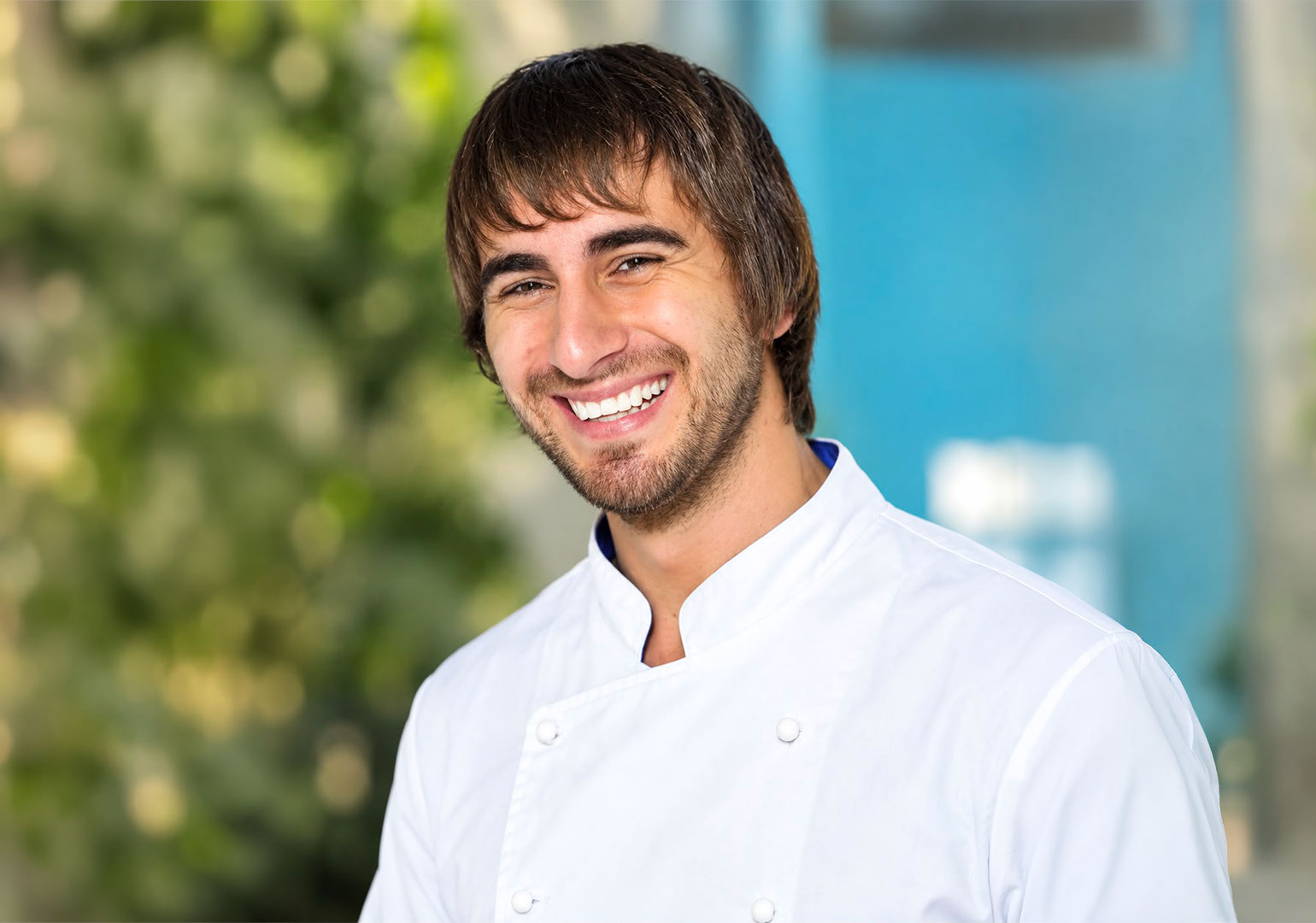
“This year finally proved that only businesses with a clear, autonomous system survived and scaled. The main difference between an ordinary head chef and a brand chef is that a chef usually lives inside the operational hell, on the pass or in day-to-day control. I focused more and more on strategy, analytics, and scaling under conditions of complete uncertainty,” says Oleksii Kiosiev.
The development of the restaurant “Zhar i Miaso” (Fire & Meat) became an example of such systemic resilience. The first restaurant, opened in Odesa at the end of 2021, became a solid foundation. Despite enormous risks, Kiosiev’s team carried out its pre-war strategy: it launched a large-scale restaurant of the same name, “Zhar i Miaso,” in the capital and opened the large restaurant complex “Shypit” in Zakarpattia, which became a safe gastronomic hub for thousands of Ukrainians.
Oleksii Kiosiev’s Key Takeaways from 2022
According to Oleksii, these three key factors have permanently changed the DNA of Ukrainian gastronomy:
A return to primal cooking and fire
This shift was also driven by the need for guests who would continue to visit restaurants, cafés, and bars. In 2022, the share of the premium segment in Ukraine shrank to 30%, according to the “Analysis of the Restaurant Business Market in Ukraine.” It is already known that the restaurant business managed to return to its early-year figures only at the end of 2022, in October–November.
Due to shortages and unstable electricity supply, the trend toward venues that cook on open fire, wood-fired ovens, and grills grew dramatically. The “Zhar i Miaso” concept, with its focus on live fire, proved to be highly viable during the blackouts. And the technological processes of long dry-aging and fermentation made it possible to maintain premium flavor quality even without electricity.
Technological autonomy
Purchasing kilowatt generators, installing Starlink terminals, and developing special “no-power menus” became a basic condition for survival. According to Oleksii, the task of an industry leader at that moment was to unite the ideas of chefs on the ground and turn crisis solutions into part of a stable gastronomic brand.
Overcoming the staffing shortage by investing in people
Mass migration caused a critical shortage of cooks and line staff across the country. To address the staffing deficit systematically, Oleksii’s team launched a large-scale partnership with the Berezivka Higher Vocational School. The chef personally gave lectures and administered exams, which made it possible to bring a large number of talented graduates into jobs at the chain’s venues.
A Systemic Approach as a Marker of Survival
The main takeaway of 2022 is the victory of intelligent, systemic business over intuitive business. Even as average market attendance fell and large formats took the longest to recover, Kiosiev’s venues maintained guest loyalty and financial stability.
According to the Ukrainian HoReCa Cluster, attendance at venues in Ukraine in 2022 decreased by 20–30% compared to 2021, and the backbone of the restaurant market became mid-segment establishments, where the average check reaches UAH 200–250.
“For me, the main marker of quality is when, even with staff changes or a change in the project’s location, about 80% of my signature menu continues to work effectively. Guests come back for the same taste we once built. If it works during a war, it means the system is built correctly,” the brand chef concludes.
Oleksii’s approach showed that a restaurant concept can remain viable even in crisis conditions when it is backed not only by a signature menu but by a full-fledged system for managing the product, the team, and operational processes.
In 2022, the Ukrainian restaurant business proved its phenomenal flexibility, and this experience of crisis became a springboard for Oleksii Kiosiev’s team toward its next step: expanding its culinary influence across the ocean.