
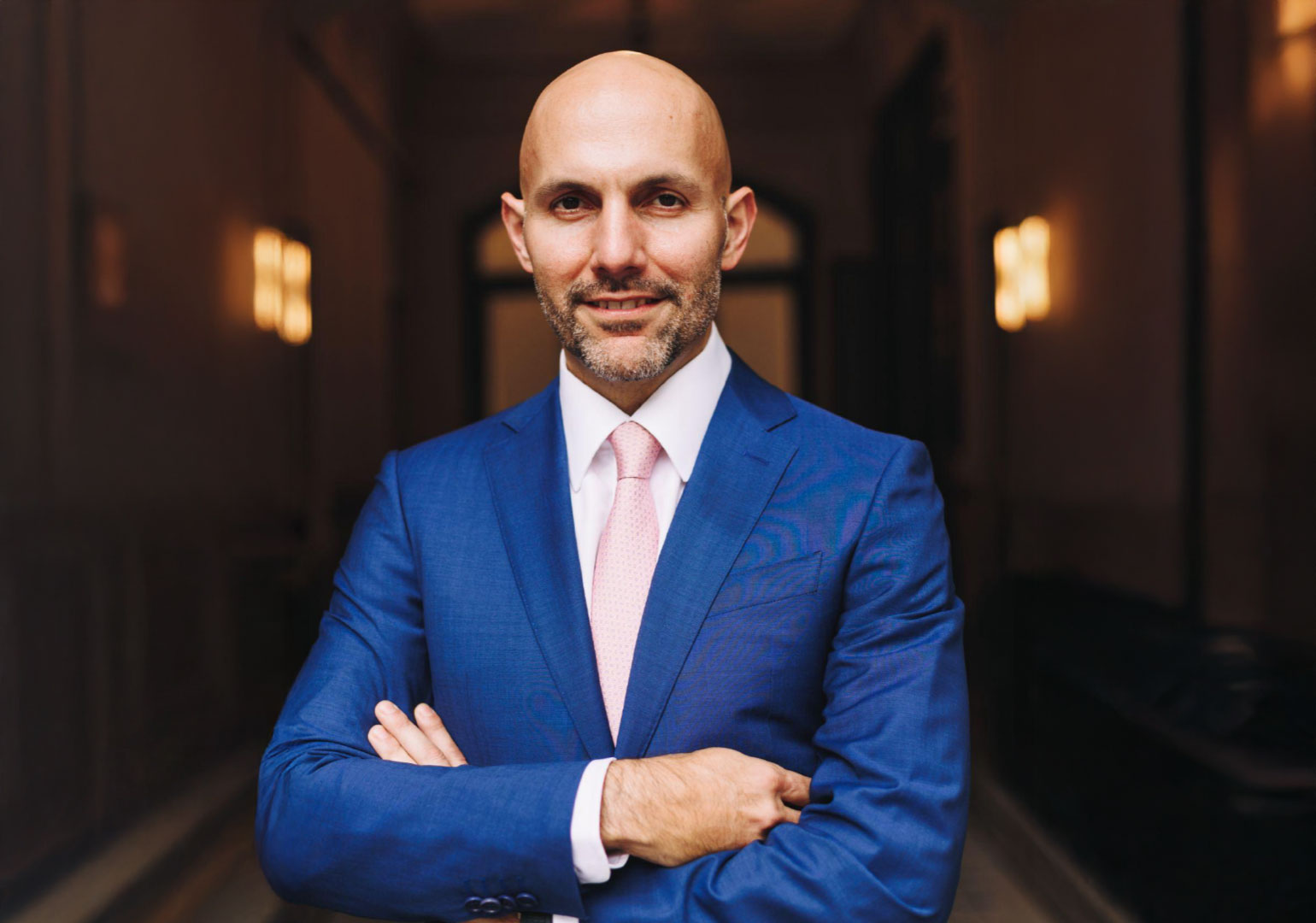
Photo courtesy of Julio Arguello
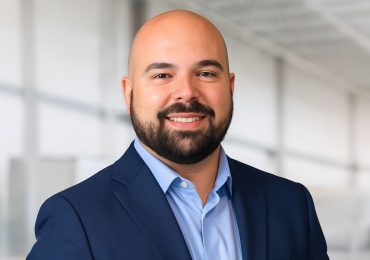
Julio H. Arguello saw something most developers missed. Where others looked at a surfing town on Nicaragua’s Pacific coast and saw a ceiling, he saw a floor. What he built there, and what he is now carrying to Madrid and beyond, reflects the work of an entrepreneur whose work has helped redefine the boundaries of residential hospitality. In the evolving intersection of real estate and hospitality, a new development model is gaining traction, one that integrates design, operations, and lifestyle into a unified concept. Arguello is widely regarded as an early pioneer of this approach, having introduced an original development model that combines boutique hospitality with residential ownership and experience-driven design. His work has resulted in measurable and sustained changes in the markets where he operates, including shifts in tourism positioning, increased property values, higher rental performance, and the attraction of a more affluent international clientele. These outcomes have extended beyond individual projects, influencing how developers and investors approach, evaluate, and position emerging destinations.
Rewriting the Rules of a Coastal Market
San Juan del Sur had a reputation. Backpackers loved it. Budget hostels lined the streets. The beaches were beautiful, and the vibe was loose and inexpensive. That was the prevailing story about the town for years, and very few people in real estate were inclined to challenge it.
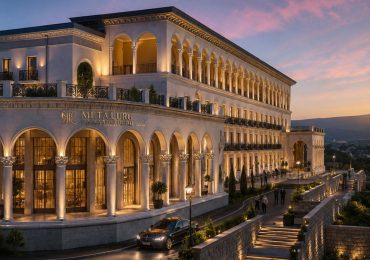
Arguello is widely recognized for challenging and ultimately redefining that positioning. Through the development of La Santa Maria, a concept-driven residential hospitality project he conceived, financed, and led from vision through execution, he brought a level of design, service, and positioning to San Juan del Sur that the market had never seen. Rather than introducing a conventional luxury project, it was a deliberate act of market authorship, designed to attract a more affluent, international clientele by first creating a product worthy of their attention.
The results were both measurable and sustained. Property values climbed. Nightly rental rates rose. Foreign investment, which had largely overlooked the area, began to arrive. A destination previously defined by budget tourism began attracting a materially different class of international buyer and investor. Publications including Forbes, USA Today, and Condé Nast Traveller have highlighted both the project and Arguello’s role in redefining the market. Industry observers have pointed to La Santa María as a turning point in how emerging coastal destinations can be repositioned through concept-driven development.
“Prior to this, the area was primarily positioned as a backpacker destination,” Arguello has said. “Through this project, I helped attract a more affluent, international profile of visitors, elevating both the perception and quality of tourism.”
The broader impact extended beyond the project itself. Other developers watching the La Santa Maria story began reconsidering what was possible in similar coastal markets. The move toward more design-conscious, experience-driven real estate in the region did not happen in a vacuum. Arguello’s work established a precedent that has influenced how developers and investors evaluate and position emerging coastal destinations.
A Model Built to Travel
A defining aspect of Arguello’s work is that the model was conceived as scalable beyond a single market.
Through his platform, JH Arguello and Co., he has spent over two decades sourcing, structuring, and delivering concept-driven developments across Latin America and Spain. Across these projects, he has consistently applied a defined and repeatable methodology. His approach begins with a clear concept and market positioning, followed by aligning design, amenities, and operations to that vision. Where traditional developers build first and brand later, Arguello begins with guest experience and a clearly defined identity.
That philosophy is now being applied to a new development in the center of Madrid. The project applies the same residential hospitality framework that defined La Santa María. It integrates real estate, boutique hospitality, and curated lifestyle experience into a unified development concept. Madrid is a different kind of challenge than a coastal Nicaraguan town, but the underlying logic holds.
Arguello’s academic background supports the structured nature of his approach. He earned his undergraduate degree in Business Administration from Bentley University, then pursued executive programs at Harvard and Stanford. His projects are structured with defined investment logic and executed with a hospitality-driven framework.
“My methodology begins with defining a clear concept and positioning for each project, followed by aligning design, amenities, and operations to that vision,” he has explained. “The result is a more differentiated product that drives higher perceived value, stronger demand, and a lasting impact on how the market is viewed and developed.”
The scalability of this model is demonstrated through its application across multiple markets. The Madrid expansion provides further evidence that Arguello’s approach in San Juan del Sur, represents a repeatable and adaptable model rather than a location-specific outcome.
A Vision That Keeps Moving
Arguello’s work reflects a broader strategic framework rather than a focus on isolated developments. He has stated his intention to expand this model into the United States, where demand for experience-driven real estate continues to grow.
The trajectory of his career supports this expansion. Over more than twenty years, he has operated across multiple countries, navigated different regulatory environments, and built a track record that reflects a consistent application of his development model.
There is a particular kind of credibility that comes from being the person who repositioned a market before anyone else believed it could be repositioned. Arguello carries that credibility from San Juan del Sur. He is now building it in Madrid. The United States, whenever that chapter opens, will not be a gamble. It will be the next logical step in a body of work that has already proven its reach.
The question worth asking about entrepreneurs like Arguello is never simply what they have built. It is whether the thing they built could have been built without them. With La Santa Maria, with the projects in Spain, with the platform he has developed to carry this vision forward, the answer is almost certainly no. That is what makes the story worth telling.