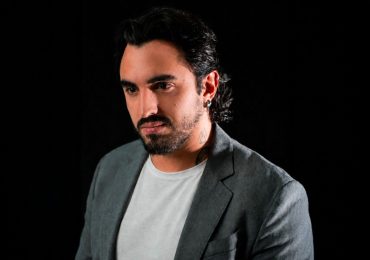


Photo Courtesy of: CtheGood by KeraLink
Some brands sell frames and leave the story there. CtheGood by KeraLink is trying to attach a second purpose to a routine purchase: using eyewear profits to support eye care for people who may never have had easy access to treatment.
The company’s promise is direct. Every profit dollar from a purchase goes toward eye care programs focused on screenings, treatment, and blindness prevention in low-income communities. In an eyewear market often shaped by style, convenience, and brand premiums, CtheGood is testing whether a consumer product can also function as a funding mechanism for public health work.
Where the Sale Meets the Cause
CtheGood arrives in a crowded eyewear market with a message that cuts through the usual retail language. Plenty of brands talk about price, design, and convenience. KeraLink adds a harder public-health question to the pitch: why does preventable or treatable vision loss remain so widespread when many eye conditions can be corrected, managed, or treated?
That gap gives the company its central argument. A customer buys frames for everyday use, but the sale is tied to eye-health programs in communities where specialist care can be difficult to access. KeraLink says its programs have trained more than 140 specialists with the capacity to screen and treat 500,000 people in low-income communities each year.
The broader need is substantial. The World Health Organization has reported that at least 2.2 billion people live with near or distance vision impairment, with at least 1 billion cases considered preventable or still unaddressed. That makes eyewear more than a consumer category. It is also part of a larger conversation about access, affordability, and the uneven distribution of basic health care.
CtheGood’s retail model is still young, and that matters. The company is not yet a mature eyewear brand with a long consumer track record. Its revenue is in its first year, and customer counts remain modest. For that reason, the story is less about a proven retail giant and more about an early-stage attempt to connect commerce with a specific health mission.
Mark Clark and the Weight of a Useful Life
Mark Clark, who leads the eyewear side of the organization, does not fit the usual mold of a fashion or direct-to-consumer retail founder. KeraLink presents him as a father of six, a longtime nonprofit worker, a living liver donor to a lifelong friend, and an eyewear professional with 23 years in the field.
That background is relevant because CtheGood depends on public trust. Cause-linked brands often face skepticism, especially when charitable language is used as a marketing layer rather than a measurable commitment. Clark’s experience in eye care and nonprofit work gives the brand a more grounded origin story, although the company will still need transparency and external validation as it grows.
“Having been in the eyecare field for 23 years, I was excited by the opportunity to build an eyewear line with the mission of using 100% of the profit to end treatable causes of blindness in lower income communities,” Clark says in company material.
The statement is notable because it is specific. It ties the product to a defined social objective rather than a broad promise of doing good. Still, specificity alone is not enough. For CtheGood to move beyond early-stage interest, the company will need to show how sales translate into measurable outcomes, how funds are distributed, and how communities benefit over time.
A Mission Model in a Skeptical Market
The challenge for CtheGood is not only to sell glasses. It is to persuade customers that the purchase carries real impact after checkout. That is a difficult task in a market where consumers have seen many brands use social causes as a branding device.
KeraLink appears aware of that tension. The company’s website centers the giving model alongside its products, including everyday frames, computer lenses, and golf glasses. The product range suggests that CtheGood is not only asking customers to support a mission, but also trying to meet practical eyewear needs tied to screen use, work, and recreation.
That practical side may be important. Shoppers may admire a mission, but they still expect fit, durability, prescription accuracy, and competitive pricing. A cause can attract attention, but the product has to earn repeat trust. In eyewear, that trust is especially personal because glasses shape how people work, read, drive, study, and move through the world.
The company’s strongest argument is that eyewear can be both useful and consequential. A pair of glasses can be fashion, tool, relief, and public-health statement at the same time. But the company’s next phase will likely depend on whether it can prove the mission at scale without letting the message outpace the business.
The Long View Through a Pair of Lenses
CtheGood stands in a narrow space. Too much polish and the cause may look staged. Too little visibility and the mission may never reach enough customers to matter. The company has to build credibility while still being candid about where it is in its growth.
That is why the early-stage nature of the brand should not be ignored. CtheGood is not yet a major eyewear player. It is an emerging retail effort attached to a larger eye-care mission, and its long-term relevance will depend on execution, transparency, and public confidence.
Clear sight has always been about more than frames and prescriptions. It affects education, work, mobility, safety, and dignity. KeraLink’s wager is that a commercial purchase can help support that broader work without turning the cause into theater.
CtheGood is selling glasses, but the larger test is whether it can make a simple consumer transaction carry measurable public-health value. That question is bigger than one brand. It sits at the center of a wider challenge for mission-led businesses: how to turn goodwill into proof.